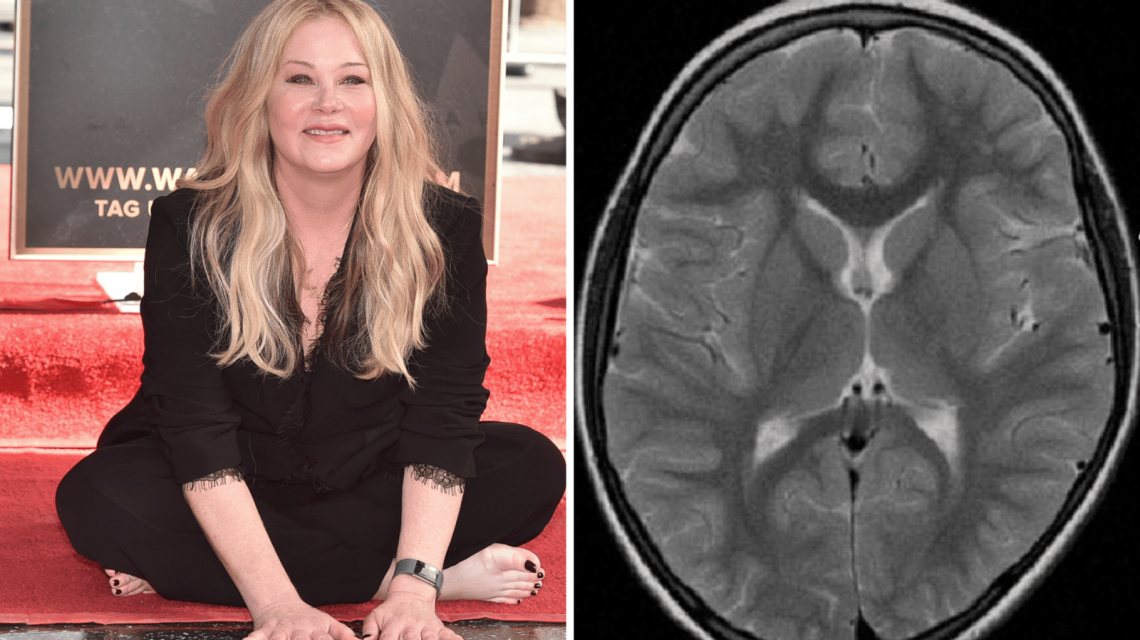
Christina Applegate has revealed she was misdiagnosed with multiple sclerosis (MS), several years after publicly disclosing the condition. The 54-year-old Dead to Me actress shared this information on her podcast MeSsy with Jamie-Lynn Sigler, another actress diagnosed with MS. Applegate’s doctor recently informed her she does not have MS, despite her ongoing severe symptoms.
Applegate expressed frustration that her symptoms persist and have worsened over time. She noted, “You don’t get misdiagnosed and then all of the sudden I’m better. If anything, I’ve gotten worse.” The National Multiple Sclerosis Society states that no single symptom or test can definitively diagnose MS. Instead, doctors gather evidence of damage to the central nervous system, which may include lesions, proteins found in spinal fluid, and timing of damage occurrence.
Diagnostic processes involve a patient’s medical history, neurological exams, MRI imaging, blood tests, and cerebrospinal fluid analysis. The McDonald criteria, revised in 2024, aim to improve diagnosis accuracy. Misdiagnosis is a recognized problem, as detailed in a Neurology journal review. Misdiagnosed patients face unnecessary health risks.
Dr. Philip De Jager, a Columbia University neurology professor, noted, “MS remains a diagnosis of exclusion.” He advised seeking opinions from specialized MS centers for diagnosis and treatment plans.
The National Multiple Sclerosis Society praised Applegate’s openness about her health journey, saying it supports others seeking answers. Such public sharing highlights the emotional challenges of dealing with symptoms, uncertainties, and complicated diagnostic issues. The organization emphasized the need for ongoing advancements in research and clinical understanding.
MS Symptoms and Diagnosis
Dr. De Jager estimates MS affects 1-4 per 1000 people in the U.S. Symptoms can include fatigue, numbness, weakness, balance problems, dizziness, and more. However, the society notes no single symptom proves MS. Blood tests help rule out similar conditions.
Applegate has reported numbness, balance issues, and limb tingling. She also mentioned in interviews needing a cane and wheelchair for mobility.
Applegate’s Misdiagnosis Experience
Applegate initially announced her MS diagnosis in 2021. She explained how a treatment change led her doctor to reassess her condition. Her B-cell count remained stable after stopping an infusion treatment, prompting further investigation. Ultimately, her doctor declared, “You don’t have MS,” which did not ease her symptoms.
Misdiagnosis, while not common, does occur. De Jager advised patients to get specialist opinions for managing treatment plans. A 2019 study found misdiagnosis rates up to 19%. Rates vary by study and definition, according to the National Multiple Sclerosis Society.
Multiple sclerosis, a complicated neurological condition, affects the central nervous system, presenting a diagnostic challenge. Diagnosis relies on medical history, symptoms, neurological exams, MRI results, and other tests to determine the meeting of established criteria or alternative explanations.
Applegate shared the emotional impact of her diagnosis change, taking a break from MeSsy to process it. She expressed concerns about disappointing others, having become a public advocate for MS.
Despite the misdiagnosis, Applegate still uses a wheelchair in medical settings and continues to face health challenges. Her doctors are actively investigating the true cause of her symptoms since 2021.
 Significant Changes Coming for Medicare Beneficiaries in 2027
 Green Spaces Linked to Lower Dementia Risk in Older Adults
 Ebola Case Reported in Nigeria’s Capital Amid Ongoing Outbreak
 Navigating the Financial Challenges of Pregnancy and Birth: Grace Griffin’s Experience
 Roger Foley’s Quest for Self-Directed Care Amid Medical Assisted Death Discussions
 ADHD Linked to Increased Risk of Early Death, but Medication May Help