
Refereeing Analysis Following Argentina’s Win Over Egypt
FIFA’s refereeing chief, Pierluigi Collina, has defended the officiating in Argentina’s 3-2 victory against Egypt during the World Cup round of 16. He dismissed allegations of bias, emphasizing that match officials operate with complete independence. Collina spoke in an interview on inside.fifa.com, addressing criticism of referees as a common aspect of football. However, he condemned questioning the officials’ integrity after Egypt expressed dissatisfaction with the officiating that led to their tournament exit.
Constructive discussion about decisions will always be part of football, but unfounded allegations have no place in our sport,Collina stated.
Collina further stressed that no one could question the integrity of FIFA World Cup match officials, stating that even the FIFA president, Gianni Infantino, cannot influence refereeing decisions. He expressed concern that such allegations might lead to threats against referees and their families.
Egypt’s Complaints and FIFA’s Response
Egypt exited the tournament, claiming unfair treatment after Argentina overcame a 2-0 deficit and won with a stoppage-time goal by Enzo Fernandez. Coach Hossam Hassan suggested potential pressure on the referee to favor Argentina, while the Egyptian Football Association voiced concerns over several key decisions influencing the game’s outcome.
Egypt contested the disallowed goal by Mostafa Zico, arguing it resulted from a non-existent foul in the build-up. Additionally, they were displeased that contact on Mohamed Salah was not penalized shortly before Argentina’s decisive goal. Despite these complaints, Collina affirmed that VAR correctly recommended disallowing Zico’s goal, citing a foul by Marwan Attia on Argentina’s defender, Lisandro Martinez.
VAR Decisions and FIFA’s Satisfaction
Collina supported the decision not to award Egypt a penalty before Argentina’s winner. Both the referee and VAR assessed the contact between Salah and Julian Alvarez as typical football interaction. He explained that stepping on an opponent’s foot constitutes a foul, but a defender who contacts the ball first and then makes usual football contact does not commit a foul.
While recognizing the inherent subjectivity in some decisions, Collina voiced satisfaction with the application of VAR principles throughout the tournament.
 Ontario Synagogue Shooting During Yom Kippur Leaves One Officer and Shooter Injured
  Pope Leo XIV’s Upcoming Visit to Latin America: An Overview
  Final Week Tensions Rise for Blue Jays and Orioles in Baseball Season
 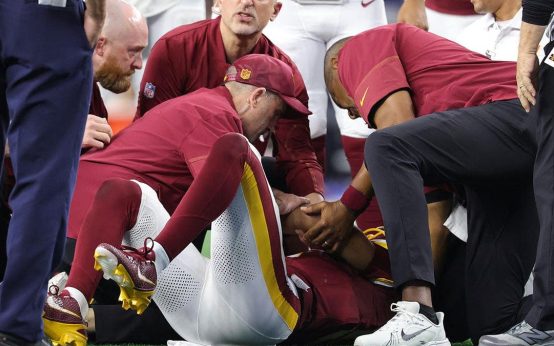 Washington Commanders Face Uncertainty with Daniels’ Injury
  Kyler Murray Returns as Starting Quarterback for the Minnesota Vikings
  Challenges Facing the Los Angeles Chargers