Florida is experiencing its largest dengue fever outbreak in decades, with over 290 locally acquired infections reported. Former CDC Director Dr. Robert Redfield discusses transmission risks and crucial prevention measures. Hillsborough County teams are actively using aerial spraying to control virus-carrying mosquitoes.
Ongoing Mosquito Issue in November
Cooler weather might reduce mosquito activity in most regions, but not in Florida. The state reports hundreds of dengue cases caught locally. Researchers at the University of South Florida have developed an AI mosquito trap to detect hazardous mosquito species with over 98% laboratory accuracy. This innovation arrives as dengue continues to spread.
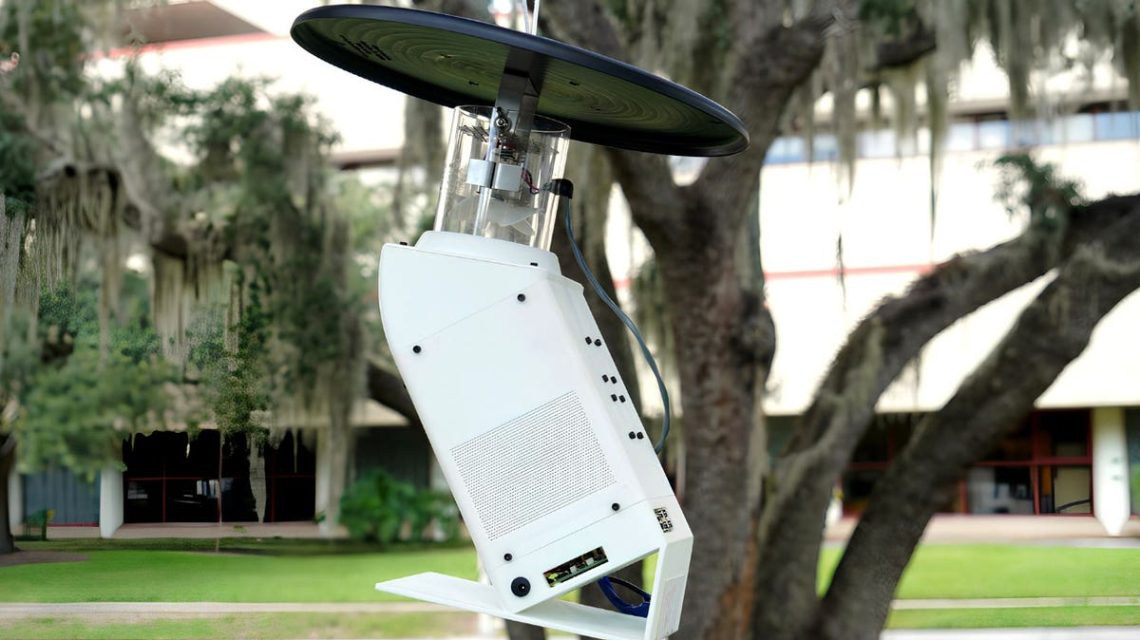
The Digitomy AI trap employs cameras and AI to identify mosquitoes that carry diseases like dengue.
Current Status of Florida’s Dengue Outbreak
The Florida Department of Health’s recent report indicates 407 locally acquired cases in Hillsborough County, marking a record outbreak. Statewide, officials have documented 524 cases by October 31. Dengue causes severe symptoms, such as high fevers and intense pain, and can lead to complications. Residents are advised to take measures against mosquito bites.
On November 13, Hillsborough County extended its local emergency declaration to manage the outbreak through November 19. Increased ground and aerial treatments are in place. Despite cooling weather elsewhere, mosquitoes remain a concern in Florida.
How the AI Mosquito Trap Functions
Developed by Digitomy, a University of South Florida startup, the trap simplifies mosquito identification. It involves a basic setup: mosquitoes are attracted, captured by a fan, and photographed by cameras. AI technology compares these images to a database, identifying mosquito species swiftly. The trap also recognizes mosquitoes by gender and feeding status, reaching over 98% accuracy under testing.
Advantages of Rapid Mosquito Identification
Traditional methods to identify mosquitoes can take up to three days. Digitomy aims to speed up this process, allowing same-day species identification. This efficiency helps prioritize mosquito control, especially concerning Aedes aegypti, the main dengue-spreading species.
The trap doesn’t confirm dengue infection in mosquitoes but identifies species that might carry the virus. Validation requires further laboratory testing.
Prospects for AI Mosquito Trap Adoption
Digitomy has conducted tests at the University of South Florida and collaborated with the Anastasia Mosquito Control District. They plan further validations in Hillsborough County and are negotiating with manufacturers for commercial implementation.
Digitomy’s goal is to integrate their technology into existing mosquito trap products. No public release date is announced yet. With ongoing research support, including a $25,000 USF Research Foundation grant, they aim to expand education around mosquito identification.
Implications of AI Traps for Communities
While home use isn’t imminent, AI-powered traps could help local governments manage mosquito populations better. This technology can inform timely interventions to prevent disease spread, especially in warm climates where mosquitoes remain active year-round.
Practices like draining standing water, using approved repellents, and wearing protective clothing stay crucial in mosquito-prevalent areas.
 Treasury’s Financial Crimes Unit Investigates Cybersecurity Breach
 Veterans and Medicare: Key Insights for Turning 65
 Asian Tech Stocks Decline After Nvidia Boost Fades
 FAA Implements New Staffing Rule for LUAW Operations
 Tidal’s New Policy Bans AI-Generated Music
 Florida Attorney General Seeks License Revocation for Doctor Over Illegal Abortion Allegations