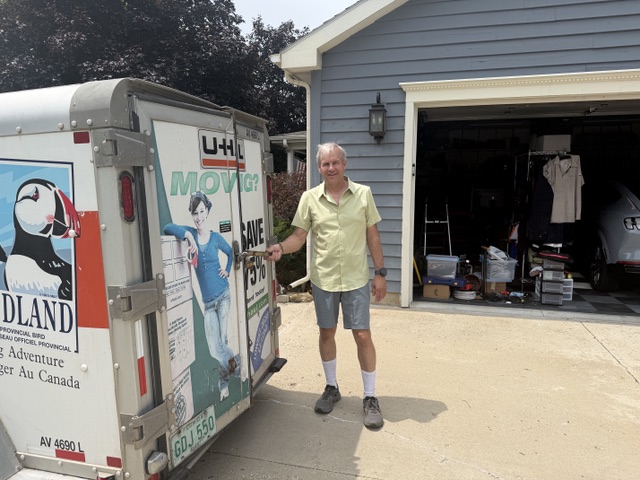
A former Ford employee, Kurt Kromm, is suing Ford Motor Company and Aramark, accusing them of defamation. He alleges both companies relied on flawed artificial intelligence to label him a thief over a $1.95 cookie. This is despite their own payment records confirming his payment. Kromm, aged 60 and from Kenosha, Wisconsin, filed the lawsuit in the U.S. District Court for the Western District of Kentucky.
The lawsuit seeks over $75,000 in compensatory damages along with unspecified punitive damages. It asserts that Aramark’s AI surveillance system wrongly flagged Kromm’s transaction as theft without checking the payment records before Ford terminated his employment. Ford allegedly enforced a zero-tolerance policy for thefts at the Kentucky Truck Plant in Louisville.
In a related instance, Nick Nabozny was fired from Ford’s Michigan Assembly Plant after a payment failure involving Doritos and Ritz crackers. An investigation later cleared several other workers of alleged thefts, but not Nabozny, who had to cash out his retirement savings after his dismissal.
Ford and Aramark have since stated they are reviewing kiosk systems following complaints about transaction errors. Kromm’s lawyer claims that Ford and Aramark knew the kiosks had issues like false theft alerts. The lawsuit claims Kromm’s debit card was charged $1.95 at 3:38:33 a.m. on May 9, contradicting Ford’s assertion of non-payment.
Records from Chase bank confirmed this transaction occurred at that time, which Aramark failed to review before reporting Kromm to Ford. His ordeal began during an overnight shift on May 9 when he bought a package of cookies due to low blood sugar. Surveillance showed a failed transaction, but his bank record showed otherwise.
A week after the alleged incident, Ford accused Kromm of theft based on surveillance footage. He was dismissed on May 16, and accusations were circulated among union representatives, supervisors, and HR personnel before escorting him off the premises. Ford ignored evidence Kromm provided confirming his payment.
Later, the Kentucky Office of Unemployment Insurance ruled Kromm’s dismissal was not due to misconduct. Aramark ultimately acknowledged the mishap, leading Ford to reinstate him with back pay. However, Kromm decided not to return to his previous job. The accusation still affects his reputation despite finding another electrician position in Wisconsin.
On July 24, formal retraction demands were sent to Ford and Aramark, but only Ford responded. The lawsuit further accuses both companies of ignoring known kiosk malfunctions at different plants. Kromm’s legal action parallels other issues with AI misidentification, as seen in Senate hearings investigating wrongful arrests due to automated systems.
 Nvidia’s CEO and the Stock Market Rollercoaster
 Exploring GTA VI: An In-Depth Analysis
 Cybersecurity and Infrastructure Security Agency Lacks Permanent Leader Amid Rising Cyberthreats
 Kevin O’Leary’s Missed Prediction on Jensen Huang’s Return as Nvidia CEO
 The Fragile State of AI: The Impact of Jensen Huang’s Ouster
 The AI Hardware Challenge to Nvidia’s Future