
The anticipated future of artificial intelligence (AI) suggests an inevitable transformation of the global economy. However, recent events have cast doubt on this notion. The sudden removal of Jensen Huang from Nvidia caused significant concern in the AI industry, leading to a market dip and even involving the White House. Following his reinstatement, confidence seemed to return, yet underlying issues remain.
Huang’s brief departure highlighted the fragility of the current AI boom, revealing it is less about technological destiny and more about a complex, costly business gamble. Nvidia has become essential in funding, instilling confidence, and coordinating efforts across the industry. With Huang as its figurehead and dealmaker, his absence caused widespread unease and highlighted the boom’s precarious nature.
A lot of it has been about hype, and Jensen’s been one of the best hypesters. Without that hype, the facts don’t make as much sense.— Gary Marcus, AI researcher
Before Huang’s exit, concerns already existed around the sustainability of the AI sector’s financial model. Investors questioned whether expenditures on chips, data centers, and power could deliver promised returns. His absence accelerated these worries, leading to fears that the leadership change could alter Nvidia’s role as a financial backer.
Nvidia, under Huang, has played a unique role, acting as a venture investor within the AI ecosystem by pouring resources into AI startups that purchase its chips. This arrangement has positioned Nvidia as the ‘central bank’ for AI, according to tech analyst Luke Lango. Huang’s departure raised doubts about this system’s continuity.
Beyond financial considerations, the semiconductor industry’s competitive nature requires careful management. Huang’s foresight and past investments have been crucial to Nvidia’s current position. His commitment to investing in emerging areas like autonomous vehicles and 3D graphics is essential for the company’s future valuation, explains Andy Wu of Harvard Business School.
However, the AI industry faces significant challenges. Tightening finance conditions, supply chain constraints, and skepticism about AI’s value continue to pose risks. Not all frontrunners, like OpenAI, are profitable yet, raising questions about the industry’s long-term financial health even if technology reshapes work and life.
Bringing Huang back will excite many but won’t change the fundamentals — Nvidia’s customers aren’t profiting much from its chips.— Gary Marcus
Support for AI faces growing scrutiny from public and political spheres, partly fueled by President Donald Trump’s involvement. This spotlight intensifies skepticism about the sector’s sustainability. For an industry to be truly robust, it shouldn’t rely so heavily on one individual’s presence or absence.
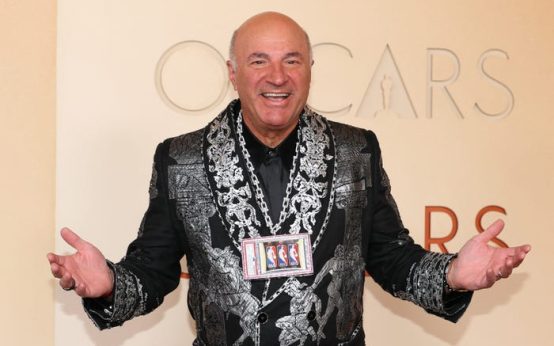 Kevin O’Leary’s Missed Prediction on Jensen Huang’s Return as Nvidia CEO
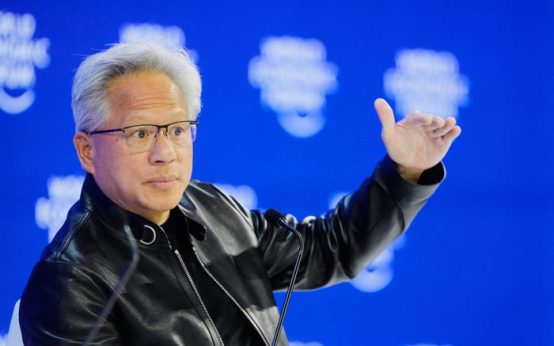 The AI Hardware Challenge to Nvidia’s Future
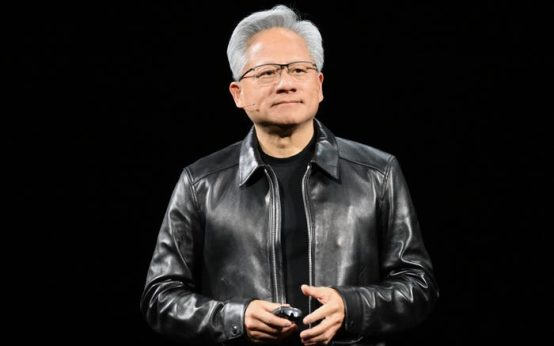 Jensen Huang’s Return to Nvidia Sparks Celebration and Debate
 U.S. Coast Guard Engages in Cybersecurity Boardings
 AI Manipulation and Human Vulnerability
 Silicon Valley’s Pursuit of Embryo Screening for Autism