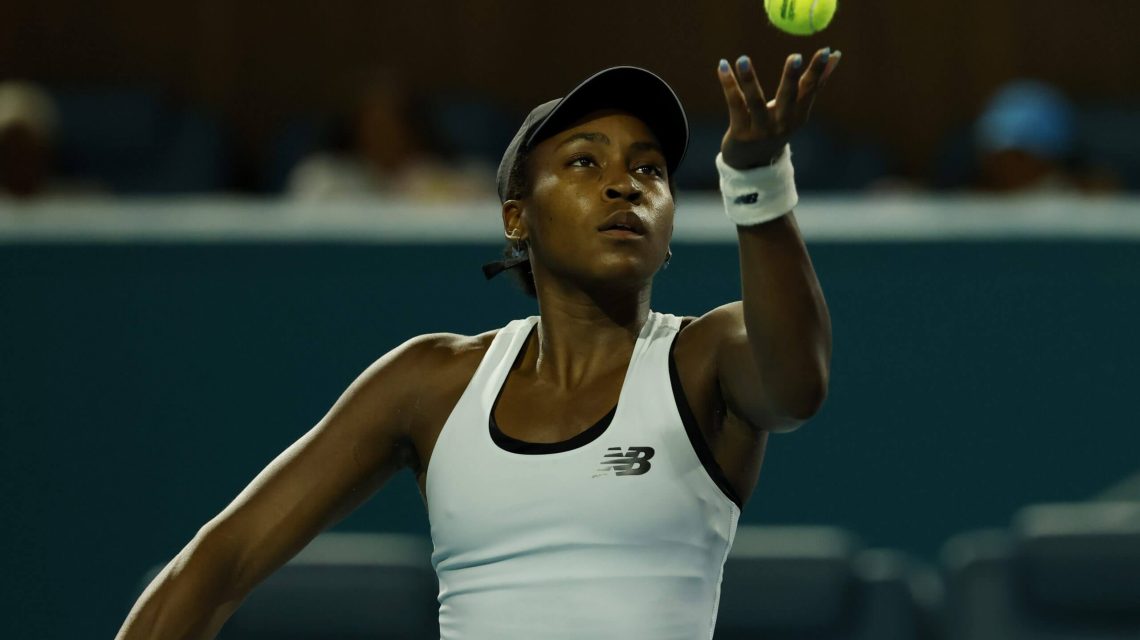
The 2026 French Open began with significant attention on tennis players’ demands for increased prize money and reforms at the Grand Slam level. A group of top players has organized a media protest to advocate for their cause.
Protest Strategy at the French Open
At the recent Italian Open, Aryna Sabalenka and Coco Gauff hinted at a potential boycott of major tennis events. However, at Roland Garros, the players have chosen a different approach. Instead of a full boycott, players will leave their pre-tournament news conferences early. Initially planned as 15-minute sessions, the limit was reduced to 10 minutes, followed by a five-minute video interview for broadcast distribution. This strategic move was confirmed by a source close to the group.
Response from French Tennis Authorities
The French Tennis Federation (FFT) expressed disappointment in the players’ actions. A spokesperson emphasized the players’ importance to the tournament and reiterated the FFT’s desire to have constructive dialogue. There are plans for a meeting on May 22 with FFT representatives, including President Gilles Moretton and tournament director Amélie Mauresmo. Larry Scott, former ATP player and ex-WTA CEO advising the group, is expected to attend the talks in Paris.
Players’ Demands and Financial Context
The players seek to increase the percentage of Grand Slam revenues allocated to prize money from 15 percent to 22 percent. In contrast, U.S. team sports players receive nearly 50 percent of league revenues through collective bargaining, an option unavailable to tennis players who are independent contractors.
The French Open’s 2026 prize pool will rise by 9.5 percent from 2025, totaling $72.3 million, representing 15 percent of projected revenue. Other Grand Slams have also increased their prize money recently, yet still fall short of the 22 percent revenue allocation goal.
Additional Goals of the Players’ Group
Beyond prize money, players are advocating for contributions to their welfare and increased consultation in Grand Slam planning, including forming a Grand Slam Player Council. The group’s efforts follow two letters they sent to major tournaments last year, signed by notable players like Iga Świątek and Carlos Alcaraz.
The French Open qualification rounds are ongoing, with main draw matches commencing Sunday. The principal media day is set for Friday, with remaining player press duties scheduled over the weekend.
‘You don’t need a formal boycott for effective, collective action’
Ava Wallace, a senior tennis writer, analyzes the players’ strategy.
Tennis players have quickly organized a response without resorting to a full Grand Slam boycott. This coordinated media protest serves as a powerful reminder of the 15 percent revenue allocation issue.
Players’ anecdotes shared during brief media interviews influence major tournament narratives. The decision to limit these interactions impacts tournament media deals significantly.
While many players might prefer to avoid media days, they understand the importance of visibility for their personal brands during major events. The swift and unified action taken, moving from minimal awareness to a cohesive protest, marks a significant development in players’ advocacy for reform.
 Deion Sanders Enforces Discipline After Colorado’s Defeat to Northwestern
  Steve Lotysz: From Medinah’s Gates to Presidents Cup Artistry
 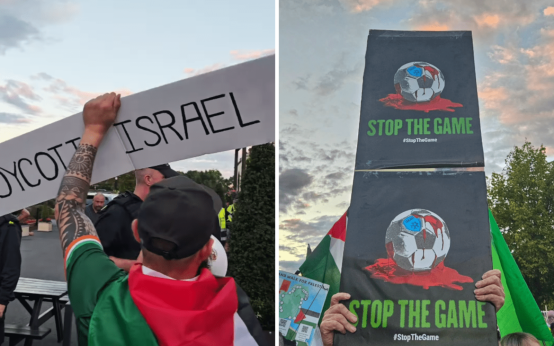 Calls Grow for Ireland’s Soccer Team to Boycott Matches Against Israel
  Is NHL Preseason Necessary?
  Impact of World Baseball Classic on Paul Skenes’ Performance
  Ronald Acuna Jr. Suffers Injury During Game Against Cincinnati Reds