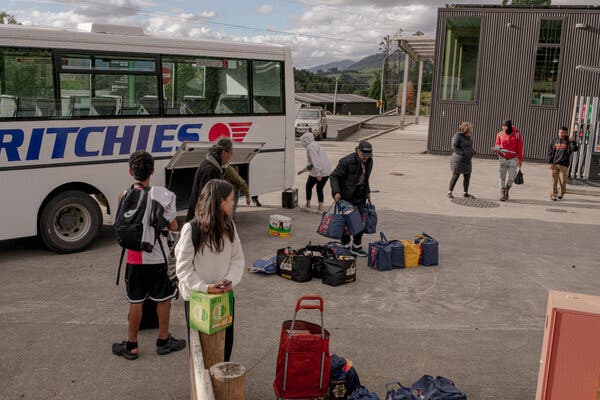
The recent conflict in Iran caused a sharp increase in diesel and gasoline prices, adding to the challenges faced by residents of Ruatahuna, one of New Zealand’s most isolated villages.
A weekly public bus between Ruatahuna and Rotorua offers a more affordable transportation option for locals who find driving costly due to the soaring fuel prices.
The economic effects of the war reached Ruatahuna within a week, traveling nearly 9,000 miles. This village, situated in Te Urewera on New Zealand’s North Island, is home to the Tuhoe Indigenous community and lacks basic amenities like supermarkets and pharmacies.
Many roads leading into Ruatahuna are narrow and unpaved, necessitating a reliable four-wheel-drive vehicle. Cars are crucial given the limited public transportation, making fuel a significant part of household expenses.
Huirangi Law, a village resident, shared that they were advised to fill their tanks as the prices were set to rise soon. Law, who lives with her four children, resides in an area where managing daily life was already challenging before fuel costs soared.
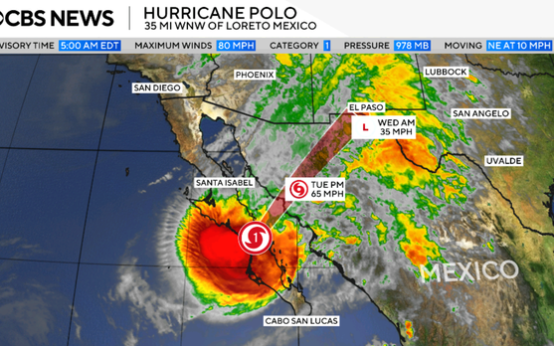 Hurricane Polo Poses Flood Threat as It Approaches Southwestern U.S.
  Family Struggles with Tragic Loss Amid Deportation Proceedings
 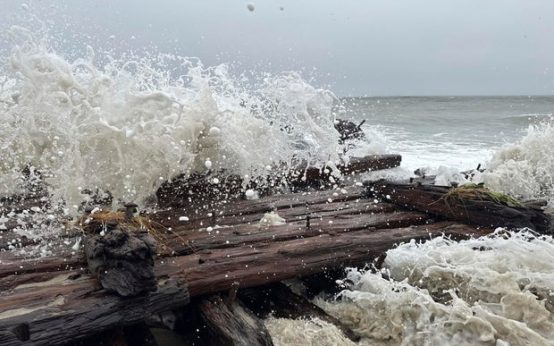 Maritime Expert Investigates Nantucket Shipwreck Exposed by Nor’easter
 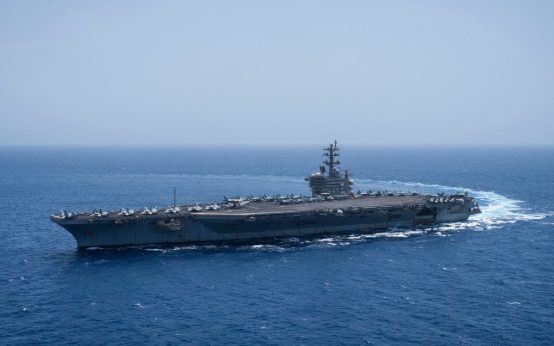 Incident on USS Dwight D. Eisenhower Injures U.S. Service Members
  Reparations Debate Heats Up in New York Amid Delays
  Lindsay Clancy Holdout Juror Asks for One Thing in New Video After Mistrial Drama