Before joining ProPublica in 2021, I investigated Carlo Musso, a Georgia prison physician who openly discussed his involvement in lethal injections. After Musso left his role, I sought information about his replacement and filed open records requests. Georgia’s law prohibits disclosing those who participate in lethal injections, adding to the challenge of obtaining information. Despite my requests, Georgia withheld records, citing secrecy laws to protect individuals from harassment by death penalty opponents. This led me to file a lawsuit against the state.
Eventually, after years of legal proceedings, a panel of judges sided with me, resulting in the release of documents that provide new insights and revive questions about Georgia’s lethal injection process.
Financial Details Uncovered
The documents revealed that since the COVID-19 pandemic, Georgia paid over $1.1 million to a contractor for assistance with its lethal injection process, despite carrying out only one execution during that time. The state also paid substantially more for lethal injection-related expenses, averaging over $150,000 annually over the past decade, exceeding previous costs before 2017.
Legal experts argue that the high costs reflect the difficulties corrections officials face in securing assistance for lethal injections, which can result in significant suffering for prisoners. According to Deborah Denno, a Fordham University law professor and death penalty expert, the problematic nature of the process demands significant expenditures.
Despite the released documents, the Georgia Department of Corrections has declined to comment on the issues of rising costs and secrecy. The state attorney general’s office, representing the department in the lawsuit, also chose not to comment. State officials have maintained that the Lethal Injection Secrecy Act protects contractors from facing harassment and ensures the continuation of executions.
Secrecy Origins and Challenges
The secrecy surrounding Georgia’s lethal injection process began after the state switched from the electric chair to lethal injections in the early 2000s. Death penalty opponents pressured pharmaceutical companies to cease selling drugs for executions, leading to supply shortages. In response, Georgia purchased drugs from a dubious source in London, but the DEA seized these drugs in 2011.
As conventional supplies dwindled, Georgia turned to compounding pharmacies to create execution drugs. While these pharmacies serve legitimate purposes, they are lightly regulated, making them favorable for states unable to procure drugs from pharmaceutical companies. However, experts warn that inadequate oversight could result in drugs that fail to perform as intended.
To counteract these shortages and maintain secrecy, Georgia passed the Lethal Injection Secrecy Act. State prosecutors defended the law in court, arguing it was necessary to secure cooperation from compounding pharmacies and doctors in the execution process.
Legal and Financial Implications
Despite legal efforts by defense attorneys to uncover more information about those involved in the execution process, Georgia has maintained a stringent secrecy stance. Other states have also spent large sums on secret arrangements for lethal injections, with Oklahoma paying a doctor $15,000 per execution and the Federal Bureau of Prisons investing millions in staffing.
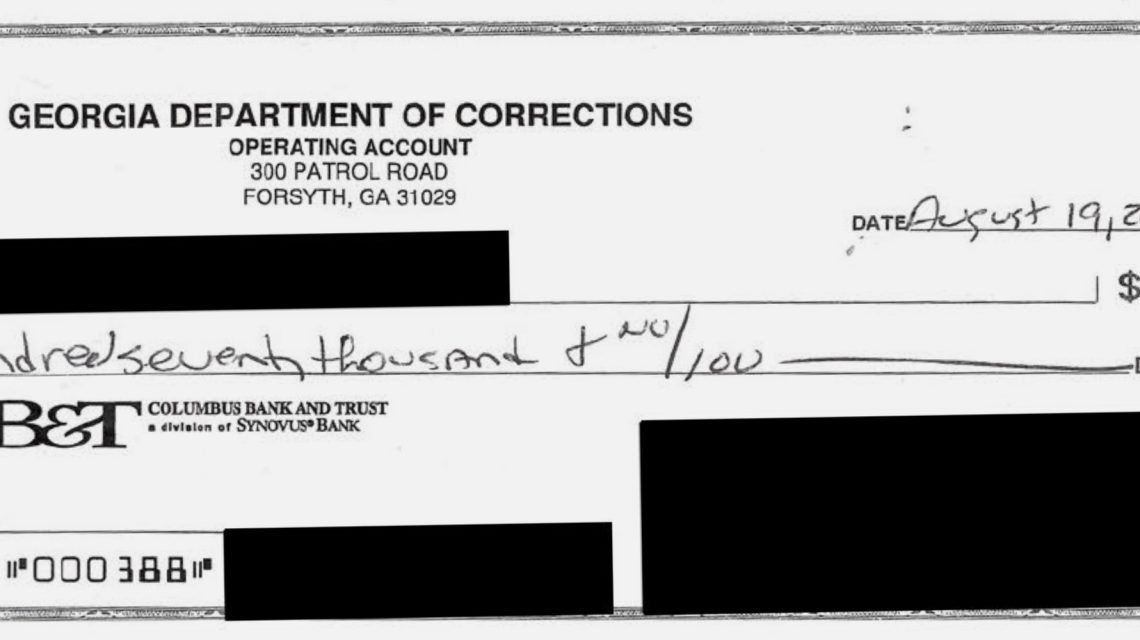
In my records request, Georgia’s Department of Corrections initially refused to provide documents and only released them with redacted information after I sued. While the records reveal significant spending, they also detail the state’s efforts to shield its contractors. Georgia promises to cover legal fees for contractors facing certain legal challenges, meaning taxpayers might bear those costs. The state’s Corrections Department provided only basic financial records, failing to comply with internal policies requiring detailed purchase orders.
The absence of comprehensive records highlights shortfalls in Georgia’s adherence to its financial protocols, as evidenced by the handwritten checks and minimal descriptions of expenses. Despite requesting more detailed purchasing records, the department responded, stating, “There are no other records.”