
In recent times, a significant detail in the global equity boom has often been overlooked: the impressive performance of international markets compared to the United States. Over the past 18 months, these markets have greatly outpaced the U.S. as the boom nears its peak. From early 2025, returns in emerging economies, Europe, and Japan have been 68%, 45%, and 44% respectively, while the U.S. market has lagged with 26% returns.
Despite the U.S.’s leadership in the global A.I. industry, the prevalent narrative in financial markets remains centered on American exceptionalism. Many investors perceive the United States as the unrivaled engine of global capitalism due to its technological edge. This belief persists partly due to historical trends where foreign markets have consistently trailed the U.S.
For years, the U.S. market has been hitting new highs, while European equities have only recently regained the high they set just before the 2007 global financial crisis. Similarly, Japan’s Nikkei surpassed its 1989 bubble peak only in 2024—a lengthy 35-year journey. Broad emerging market indexes have also started seeing new highs, breaking a prolonged period of stagnation.
It was perhaps inevitable that global markets would catch up. However, the surge in foreign markets transcends mere catch-up. Corporate profits and earnings have been exceptionally robust across major regions, fueled by the global A.I. infrastructure construction boom. Understanding this requires examining the flow of funds spent on A.I. once they leave the balance sheets of leading U.S. tech companies.
While A.I. is often viewed as an American technology narrative, its physical construction relies on a highly complex global supply chain. At the core are three key companies: Nvidia from California, ASML from the Netherlands, and TSMC with facilities in Taiwan, Japan, China, and America. Together, they manage a vast share of advanced A.I. chip production, showcasing the global dynamics behind the technology.
 Beijing’s Tactical Undermining of U.S. Supremacy Through AI
 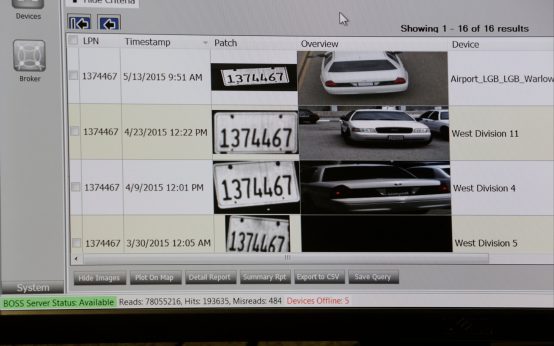 Controversy Surrounds Automated License Plate Readers Across the U.S.
 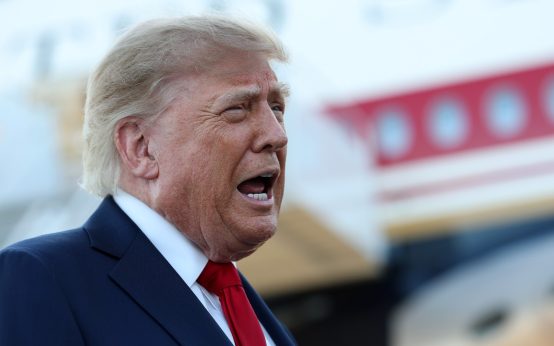 Trump and Harp Sued Over Truth Social Subscriber Program
  Implications of AI in College Admissions
  Congressional Inaction Amid AI Concerns
  Rising Demand for Data Centers Driven by AI Development