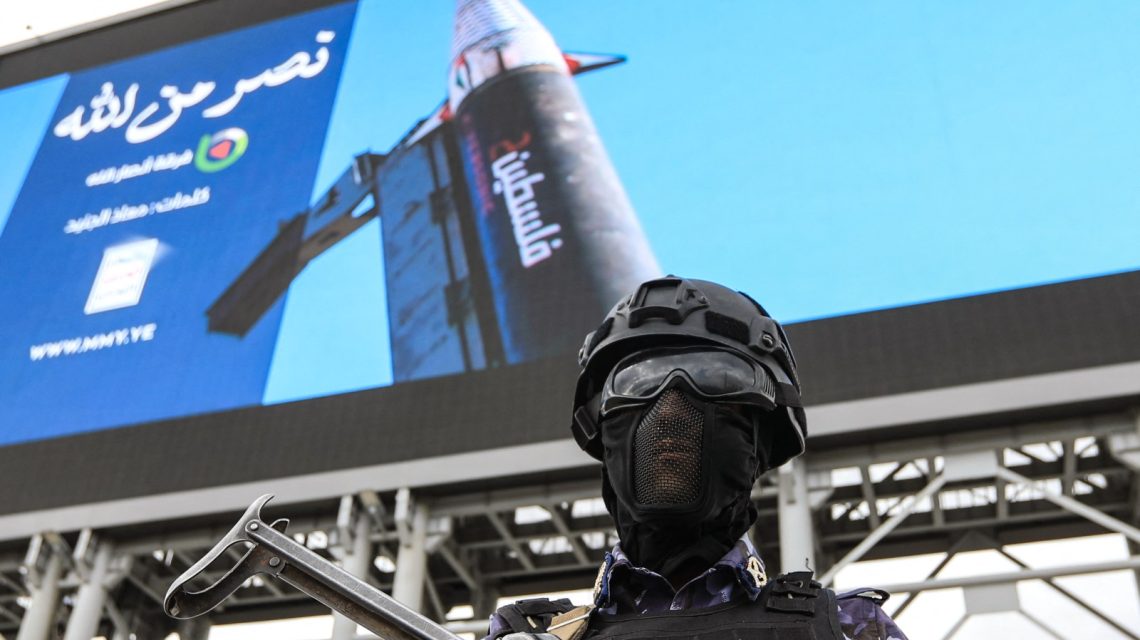
The ongoing turmoil in global energy markets, intensified by U.S. and Iranian blockades affecting the Strait of Hormuz, has seen a new potential threat emerge. Yemen’s Ansar Allah movement, commonly known as the Houthis, declared a “total ban” on Israeli ships navigating the Red Sea. This action raises significant concerns for global trade, especially as Iran and Israel continue exchanging strikes.
Economic Impact of Shipping Disruptions
The halt in shipping can have severe economic consequences. During a previous Houthi campaign against commercial vessels, traffic through the Suez Canal decreased by about two-thirds. This forced many ships to take longer, more expensive routes around the southern tip of Africa. The previous disruption lasted roughly two years, beginning with the 2023 Gaza conflict and concluding with a ceasefire in 2024.
The U.S.-Israeli conflict with Iran revived the Axis of Resistance coalition involving Lebanese Hezbollah and Ansar Allah. The Yemeni group appears prepared to escalate their campaign, declaring unity with allies amid fresh Iran-Israel tensions, unfazed by ongoing U.S.-led diplomatic attempts for peace.
“Yemen firmly opposes Israeli aggression,” an Ansar Allah representative told Newsweek. “Global understanding is necessary as Israel disrupts the region and the world economy. The unjust siege on our country, Iran, and others must end. We fight against this siege for our people’s relief.”
Escalating Regional Conflicts
A confrontation broke out recently as Iran retaliated against Israeli strikes targeting Hezbollah in Lebanon. Despite negotiations following President Donald Trump’s April ceasefire announcement, key disagreements persist. Iran demands Lebanon’s inclusion in peace talks. Meanwhile, Israeli Prime Minister Benjamin Netanyahu intensified operations in Lebanon, aiming for Hezbollah’s disarmament.
Reports indicated a heated discussion between Trump and Netanyahu with Trump urging Israel to halt planned strikes on Hezbollah sites in Beirut. Yet, Israeli attacks on the Lebanese capital prompted Iran’s missile response, marking the first instance of such action since a truce was established.
In response, Ansar Allah launched a strike on Tel Aviv, intercepted by the Israel Defense Forces (IDF). Both Israel and Iran continue offensive exchanges, adding to the region’s instability. Trump called for a ceasefire through a Truth Social post, yet only saw a temporary halt from Iran’s military headquarters.
Potential Economic Repercussions
If Ansar Allah enforces a blockade on the Red Sea, the repercussions would amplify existing challenges to international trade. Diverting ships to South Africa’s Cape of Good Hope, bypassing the Suez Canal, could cost approximately $1 million extra per journey for large tankers, alongside increased travel duration.
Current global developments have already inflated shipment costs. Iranian transit fees in the Strait of Hormuz, rising insurance premiums, and reduced traffic highlight the financial strain on the energy trade. Shipments may suffer further scarcity amid heightened regional conflict.
The U.S. administration faces mounting pressure due to these developments. Iran remains resilient against a U.S. naval blockade.
Trump’s previous intensified strikes intended to weaken Ansar Allah ultimately resulted in a ceasefire. However, the group continues holding significant assets and control over large portions of Yemen, including its capital, Sanaa.
A Saudi-supported government in Yemen allied with the UAE has not initiated major actions against Ansar Allah post a U.N.-brokered ceasefire in 2021. Their focus shifted to dismantling a southern separatist group. Previously, Ansar Allah targeted Saudi Arabia and the UAE with missile and drone attacks. Iran’s actions during the U.S.-Israeli conflict have prompted further calls for regional de-escalation.
 Israeli Prime Minister’s Visit to the U.N. Amid Controversy
  U.S. Secures Strategic Arctic Agreement
  Trump Administration’s Plan to Resettle Afrikaners as Refugees
  Trump’s Vision on Iran, AI, and Global Security at the UN
  Lithuanian Leader Seeks U.S. Military Commitment Amid Rising Russian Threats
  Italian PM Giorgia Meloni Skips UN General Assembly Amid Growing Tensions