Oklahoma Senator Alan Armstrong emphasizes the necessity of reforming the permitting process to enhance American energy independence. Armstrong points out that even with plentiful U.S. oil and gas resources, outdated systems and litigation delay vital infrastructure development. As a former CEO, he underlines how legal obstacles can halt multimillion-dollar projects and stresses the importance of political action to streamline energy progression.
The Senate recently achieved a significant milestone by advancing a comprehensive bill designed to revamp America’s permitting system. The aim is to accelerate infrastructure and energy development across the nation. Named the Bipartisan American Affordability and Jobs Act of 2026 (BAAJA), this legislation passed with a strong bipartisan vote. After several months of adjustments, a coalition that included the White House supported the final version.
This extensive package seeks to expedite environmental reviews, limit legal challenges, safeguard approved projects, expand the electric grid, and streamline various energy fields, including oil, gas, and renewables. According to Shelley Moore Capito, Chair of the Senate Environment and Public Works Committee, the bill marks a significant step in making infrastructure development more efficient while maintaining strong environmental protections.
This is a major step toward making it faster and more efficient and easier to build infrastructure projects, certainly without giving up any of the strong protections for our environment.
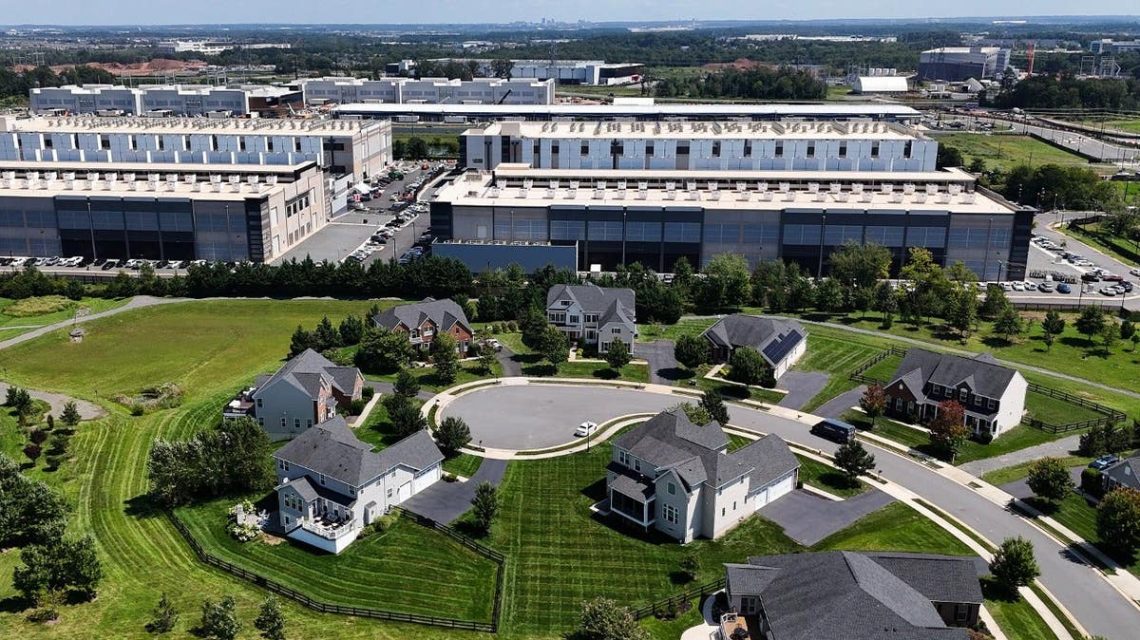
Additionally, the bill addresses an issue significant to voters: the impact of data centers. Democratic Senator Martin Heinrich advocated for language that protects consumers from increased costs linked to data center electricity usage.
This comes after an earlier attempt by Republicans, led by Senator Jon Husted, to introduce similar consumer protections, which Democrats criticized for lacking enforcement. Heinrich emphasizes that responsible development will create jobs and lead to cheaper energy. The bill mandates that data centers requiring at least 20 megawatts of power must cover additional power costs, provide financial guarantees for facility upgrades, and adhere to strict conditions to prevent passing costs to consumers.
As the bill moves to the House, its passage remains uncertain. Senator Armstrong notes a strong bipartisan backing but concerns about attendance might impact the final vote. He expressed hope for adequate support from House members to ensure the bill’s approval.
 Highlights from Recent News Stories
 Former Press Secretary Criticizes GOP’s Election Strategies
 Trump and Cornyn Clash Over Judicial Nomination
 Ted Cruz and James Talarico Discuss Texas Space Academy Proposal
 Newly Proposed Legislation Aims to Ease Family Travel
 Trump Open to Bipartisan Health Care Plan with Democrats