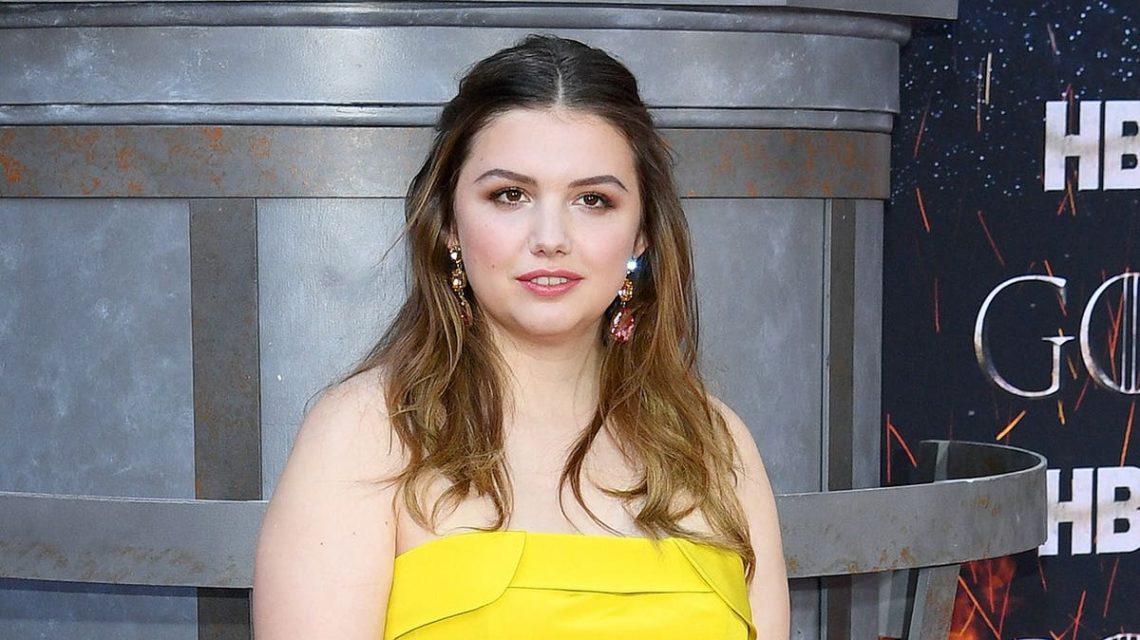
Hannah Murray, known for her role as Gilly on “Game of Thrones,” revealed her troubling experience within a wellness cult that led to a severe psychotic break. In a conversation with The Guardian, she shared insights about this phase of her life and her escape from the organization. Murray is set to release her book, “The Make-Believe: A Memoir of Magic and Madness,” where she delves into these events.
Murray criticizes the wellness industry, emphasizing the lack of critical thought surrounding it. She remarked, “It’s easy to think, ‘This could never happen to me,’ but that mindset is misleading.” Despite her education and middle-class background, she found herself making “terrible choices.” Her story highlights the importance of understanding why people join such organizations without dismissing them as foolish.
Murray’s introduction to the cult came through an ‘energy healer’ she met while filming “Detroit,” a movie where she portrayed a victim of police violence. The dark themes in the film prompted her to seek support, leading her to a healer named Grace. Beginning with a $150 session, she soon attended more classes within the unnamed organization.
Reflecting on the experience, Murray recalled how Grace spoke about bringing “light” into her body and activating “spiritual DNA” using ancient methods. As a child, she longed for a magical world, which became part of her mental breakdown. She believed she had a destiny to discover hidden truths, stating, “I wanted to go further and further.”
During a five-day course in London, Murray experienced a psychotic episode, imagining she was “giving birth through my skull” while surrounded by chanting cult members declaring, “Be gone, evil spirit in Hannah.” She was hospitalized under the Mental Health Act in London for 28 days and diagnosed with bipolar disorder.
Murray has since distanced herself from acting and remains cautious about wellness trends. She emphasizes the need to discuss mental health beyond anxiety and depression, noting the societal stigma around severe mental illness. “It felt really important to say, ‘I went through this,'” she stated. “Lots of people go through this. It doesn’t mean they are bad or irreparably broken.”
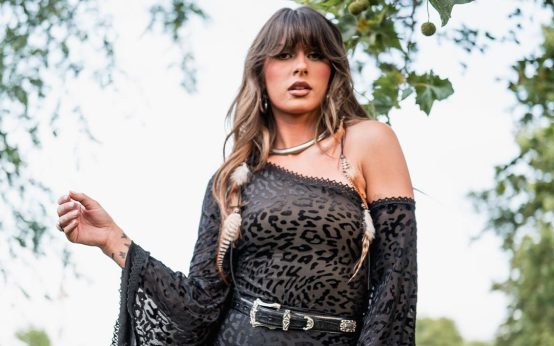 Ella Langley Makes Billboard Hot 100 History with ‘Choosin’ Texas’
 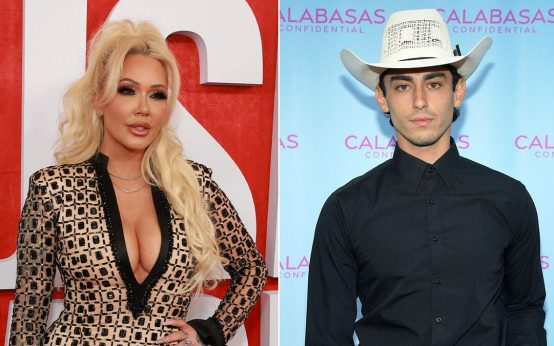 Bunnie Xo’s Post-Divorce Adventures Spark Debate Over Age Gap
 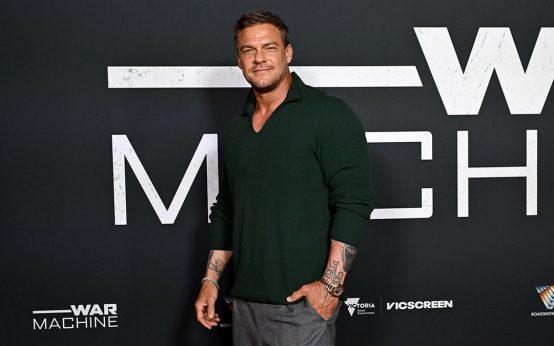 Alan Ritchson Faces Backlash Over Political Remarks
  Ella Langley’s Record-Breaking Chart Success: The Rise of ‘Choosin’ Texas’
  Presley Gerber’s Death: Tributes from Friends and Family
  Exploring the 2025 Booker Prize Shortlist