Seventeen years ago, Jennifer Thompson’s story surfaced. A rape survivor, she had mistakenly identified an innocent man as her assailant. The real perpetrator continued attacking others until DNA evidence exonerated the wrongfully convicted. This error left scars on everyone involved.
Thompson understood firsthand the pain of wrongful convictions. Her journey began in 1984 when she misidentified Ronald Cotton, who spent 11 years in prison before DNA cleared his name. This experience fueled her dedication to reform the justice system.
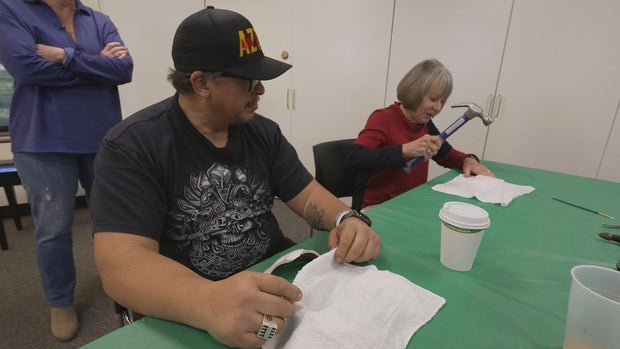
In response, Thompson launched Healing Justice, an initiative connecting crime victims with exonerees. This unique approach offers mutual understanding and healing through shared experiences. At one retreat, participants began the process by smashing bowls and carefully rebuilding them, symbolizing the damage and attempts at mending caused by wrongful convictions.
Wrongful convictions aren’t a single bullet; they’re bombs.
There’s just so many people in a wrongful conviction.
– Jennifer Thompson
The retreats have proven effective. They gather individuals from various cases, allowing them to discuss, learn, and heal together. Victims like Tomeshia Carrington Artis and Penny Beerntsen, who were pressured to identify their attackers, found solace alongside exonerees like Raymond Towler and Chris Ochoa.
Thompson emphasizes the wide-reaching impact of such miscarriages of justice. Families of both the victim and exoneree suffer, often without support or understanding from the broader community. Andrea Harrison’s family is an example; they learned late that the man convicted of her mother’s murder was innocent.
Healing Justice focuses on the dual victimization that occurs when the wrong person is convicted. By facilitating conversations, it seeks to bridge the emotional divide between victims and exonerees.
During the retreats, exercises encourage participants to express their struggles and write letters to themselves from both critical and compassionate perspectives. These moments of vulnerability allow them to confront and gradually shed deeply ingrained guilt and shame.
Jennifer Thompson has used her own redemption path as a tool for others. She sees the significance in offering a safe environment where those affected by wrongful convictions can support one another. By doing this, she extends compassion and understanding beyond personal barriers, reminding us all of the profound impact and complexity of justice gone awry.
Healing Justice continues to work with prosecutors to address the needs of crime victims in cases that involve exonerations. The retreats focus on restoring a sense of self and community among both the innocent and those who once believed in their guilt.