Many residents of Boyle Heights have experienced significant health issues following a prolonged fire at a cold storage facility. These issues include respiratory infections, eye disorders, and persistent coughs. A study from St. John’s Community Health links these symptoms to toxic exposure and smoke inhalation, raising concerns about long-term effects on the local population.
The health study catalogued symptoms and diagnoses from 1,306 patients treated at mobile clinics in the weeks following the fire’s onset on June 17. A significant percentage, 35.9%, were affected by fire-related exposure, exhibiting conditions such as acute upper respiratory infection, eye disorders, cough, and asthma exacerbation. Most patients treated for smoke-related issues were Latina women, with 91% identified as Latino and 64% being women. Age analysis showed 63% of affected patients were 50 years or older.
“The health impacts from the Lineage fire are serious and severe,” said Jim Mangia, chief executive of St. John’s Community Health.
Data from government officials indicated air near the fire contained alarmingly high levels of smoke and soot, surpassing typical pollution levels during severe Los Angeles County fires. There was a noticeable increase in emergency room visits for throat pain and smoke inhalation during this period.
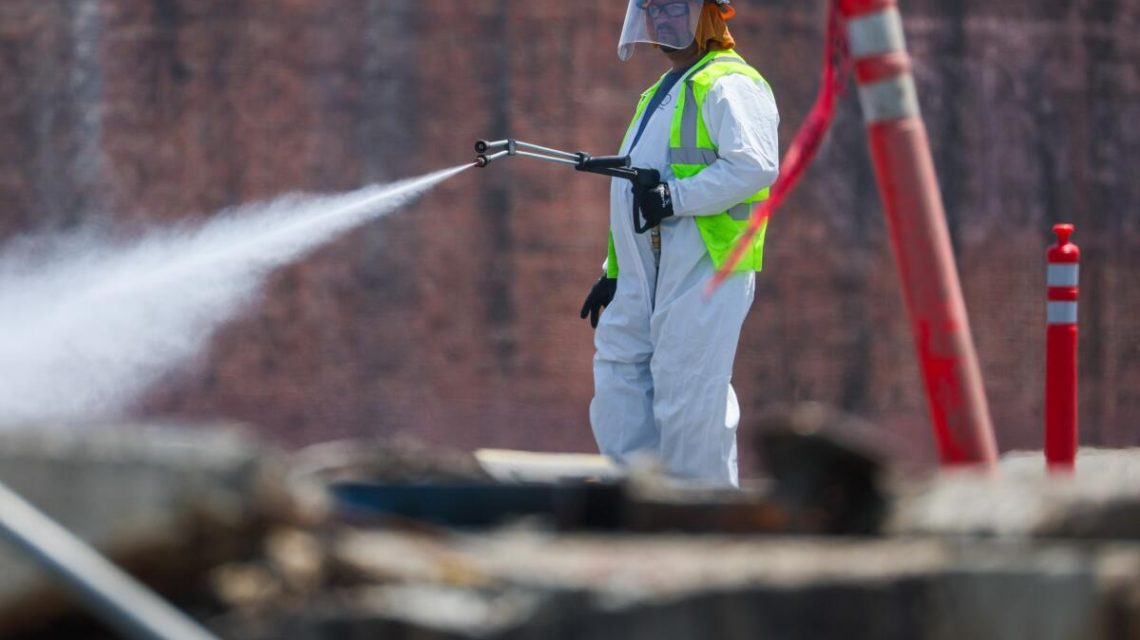
Despite Lineage officials declining to comment on the study, data from St. John’s Community Health highlighted widespread impact, including anxiety, acute stress, and insomnia among residents. The study’s release coincides with clean-up operations at the warehouse, involving heavy equipment and workers tackling residual food waste.
City Councilmember Ysabel Jurado emphasized the need for comprehensive recovery efforts, urging accountability from Lineage and relevant parties for the recovery costs associated with housing department initiatives to improve HVAC systems and air filtration for affected households.
Myrna Silva’s family, living a block from the Lineage warehouse, has been using multiple air purifiers due to ongoing bronchial issues. Other local residents, such as Martin Ramirez and Lissett Navarret, have reported headaches and breathing problems caused by lingering odors from the fire.
Public records indicated a sharp increase in hospital visits near the warehouse, attributable to symptoms related to the fire and smoke exposure. Initially believed to have started on the warehouse’s roof, the fire was extinguished on June 24, but left 88 million pounds of rotting food, exacerbating health concerns as the odor spread.
The clean-up extends beyond the removal of waste. Activists such as Alma Marquez of Protect L.A. Now call for more exhaustive studies to understand the full health impact on the community, noting that residents are still facing threats like pests resulting from the fire’s aftermath.
Despite fines levied against Lineage by health regulators, the ongoing impact on residents underlines issues of underreporting. Some individuals continue to suffer at home without seeking medical attention, potentially skewing data collected on the fire’s health consequences.
 Experimental Cancer Vaccine Shows Promise in Reducing Melanoma Recurrence
  Providence Health Plan Collapse Affects Over 64,000 Seniors
  Personalized Cancer Vaccine: A Potential Breakthrough in Medicine
  Challenges and Changes at CDC Under New Leadership
  Jill Biden Discusses Concerns about Joe Biden’s Health During 2024 Debate
  What to Expect from This Fall’s Coronavirus and Influenza Vaccine Rollout