The recent midterm elections marked a significant increase in the number of women taking office across the United States, with significant implications for policy priorities in healthcare, childcare, and reproductive rights. Experts suggest this change could reshape these areas substantially.
With at least 155 women expected to serve in the next Congress, the previous record of 152 in 2024 will be surpassed. Women will now represent nearly 30 percent of lawmakers. Within the U.S. House of Representatives, Democrats will feature at least 111 women, a new milestone, compared to 17 Republican women.
“This was a political earthquake,” stated Mary Ziegler, historian of abortion politics at the University of California, Davis School of Law.
In addition to congressional representation, 106 women are poised to occupy statewide elective executive offices by 2027, up from 97 currently, securing 34.2 percent of these roles nationwide. This category includes governors and significant state officials whose policy influence can be profound.
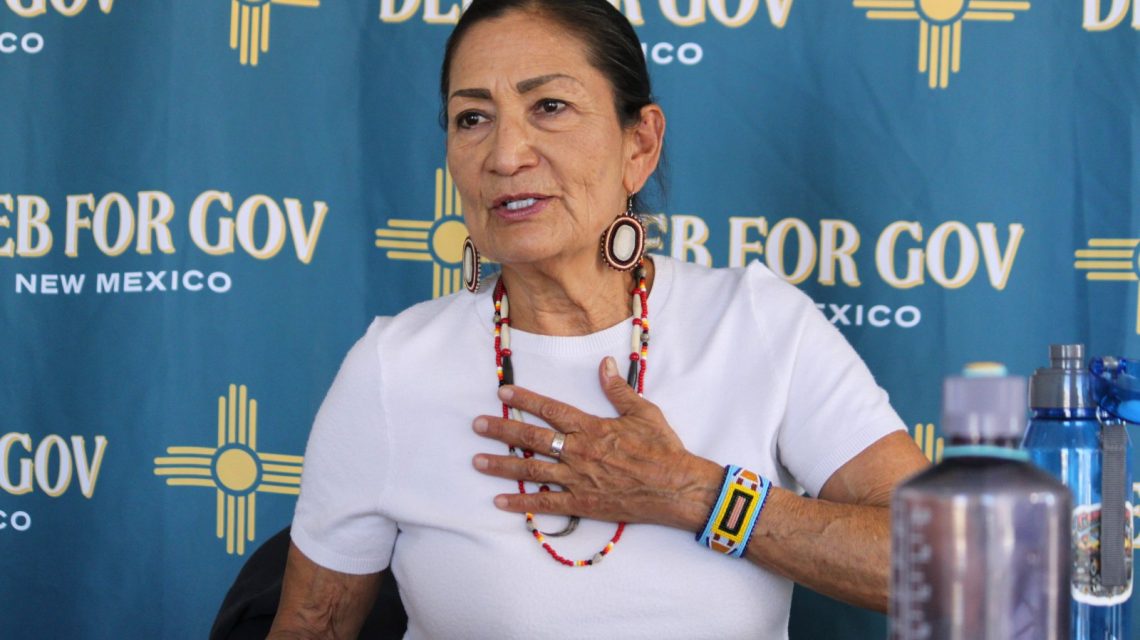
Significant milestones include Keisha Lance Bottoms being elected as the first Black female governor in U.S. history in Georgia. In Texas, Gina Hinojosa broke barriers by becoming the first female governor in over thirty years and the first Latina governor. New Mexico marked history with Deb Haaland as the first Native American governor.
Female representation in leadership raises the critical question of the potential impact when a record number of women exercising control over spending, legislation, and executive powers come into office. While party affiliation strongly dictates voting behaviors, the presence of women in office influences government priorities.
Michele Swers, a professor at Georgetown University, emphasized the value of diverse experiences in legislation. Women legislators historically focus more on healthcare, childcare, education, and maternal health, although these priorities might not lead to significant partisan voting differences.
Gina Hinojosa, upon her election victory, noted, “I am a mom who loves her children, who believes in their teachers, and who believes in Texas public schools,” indicating a personal connection to educational policy.
Despite gains, researchers predict gradual changes. Profound policy shifts generally result from long-term efforts through committees and negotiations rather than immediate high-profile decisions. Examples include seasoned politicians like Senator Patty Murray and Representative Rosa DeLauro, who have championed policies like paid family leave and healthcare reform for years.
Abortion rights could experience significant effects following this electoral shift. The issue, although less prominent than others such as immigration and the economy in the recent campaigns, remains critical for many voters.
Kelly Baden from the Guttmacher Institute highlighted the influence statewide officials have on abortion access, often beyond visible headlines. Changes in leadership, like Nathan Johnson’s potential policy shifts as Texas’s new attorney general, may drastically impact interstate abortion travel and beyond.
“To have Texas make a change is such a big deal,” observed Baden.
In Georgia, Lance Bottoms’s opposition to the six-week abortion ban could also affect neighboring states, offering broader access than other restrictive laws in the Southeast.
Although the Democratic advances are celebrated, major threats to abortion rights persist through federal disputes and potential regulatory changes. Ziegler cautions that important policy challenges remain even after Democratic victories.
 Sanders Advises Democrats on Strategy Post Elections
 Scott Colom: A Potential Historic Shift in Mississippi
 Biden Reflects on Health and Upcoming Memoir as He Faces Challenges
 Trump Offers Dana White Role as White House Press Secretary
 Trump Supports Vance’s View on Midterm Losses
 Trump Jokes About Offering UFC CEO White House Press Secretary Role