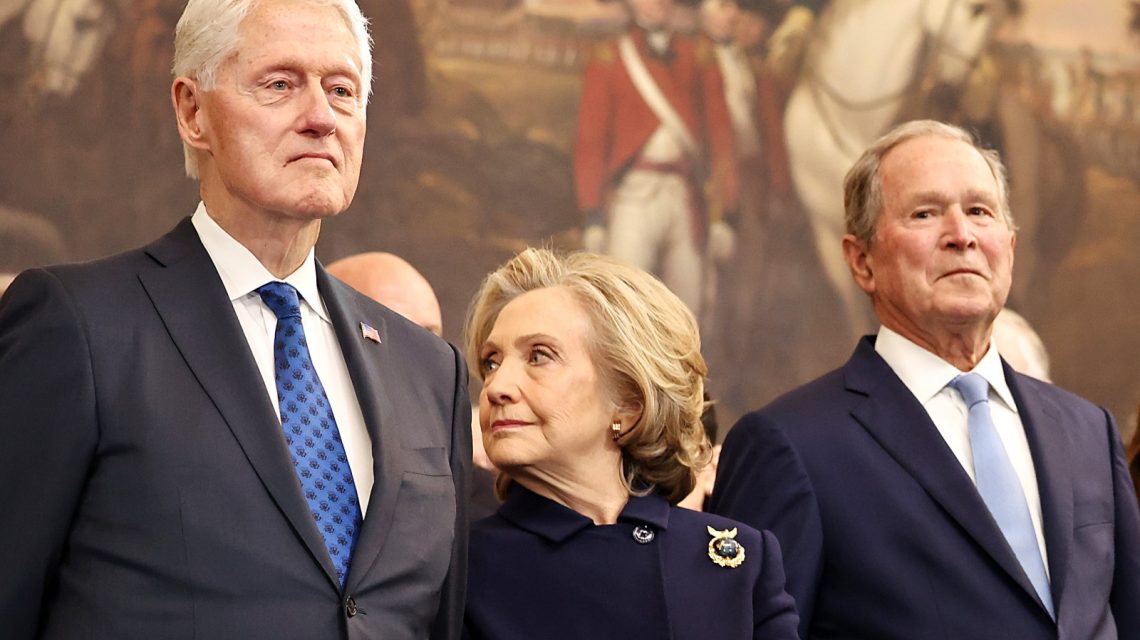
In the summer of 1946, three future U.S. presidents were born in quick succession: Bill Clinton, George W. Bush, and Donald Trump. These leaders entered a nation newly confident after World War II, poised to shape and be shaped by global events.
Post-War Era
The three were born after World War II concluded, yet before the complete formation of the postwar landscape. Key developments, such as the creation of NATO and the onset of the Cold War, were still in the future. The Korean War had not yet unfolded. Their lives and presidencies would witness the construction and transformation of the American-led order.
80th Birthdays
This year marks the 80th birthdays of these presidents. George W. Bush celebrated on Monday, while Donald Trump reached this age on June 14. Bill Clinton will follow on August 19. Their presidencies tell the story of America’s shift from a confident architect of global order to a nation increasingly uncertain about its role.
Bill Clinton
At age 46, Bill Clinton began his presidency in 1993. He was one of the youngest to assume the role. His term is often viewed as the culmination of the U.S. evolving into a mature superpower with no rivals after the Soviet Union’s collapse. The economy flourished throughout the 1990s, boasting the longest economic expansion in U.S. history until 2019. This period saw low inflation, low unemployment, and budget surpluses.
Clinton’s presidency rode the wave of global enthusiasm post-Soviet Union, promoting free trade and globalization. America secured its position at the center of a borderless and connected world.
George W. Bush
George W. Bush’s presidency marked a departure from the previous era’s continuity. The dotcom bubble burst in early 2000, leading to a prolonged market decline that coincided with his transition to power.
Just months into his presidency, the September 11, 2001, attacks halted the peaceful period between the Cold War and the ongoing War on Terror. The invasions of Iraq and Afghanistan brought forth the language of security, conflict, and intervention, reshaping perceptions of U.S. power. The Iraq War, prolonged overseas conflicts, and the financial crisis diminished public confidence in U.S. leadership and institutions.
Donald Trump
After Barack Obama’s two terms, Donald Trump’s rise reflected discontent with the American-led world order. His presidency arrived as wars in Iraq and Afghanistan and economic challenges shaken belief in U.S. global leadership. Trump characterized globalization as a liability for the now-challenged superpower.
His “America First” agenda emphasized tariffs, border security, and industrial policy, diverging from his predecessors’ focus on free trade and cooperation. Relations with traditional allies became tense, reflecting a nation more focused on safeguarding its position than reshaping the global order.
The Legacy of the Presidents of 1946
These three presidencies, aligned with key historical milestones, form a living history marked by optimism, disruption, and reassessment. Their shared birth year gains significance as they turn 80. They represent a generation born at a time of American ascendancy, each president overseeing various phases of its evolution from assured confidence to present complexities.
 Congressional Inaction Amid AI Concerns
 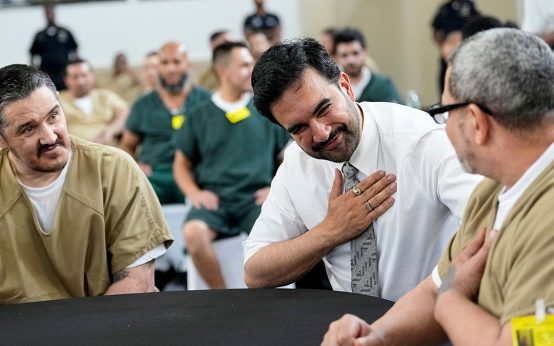 Zohran Mamdani Faces Backlash at Staten Island Event
 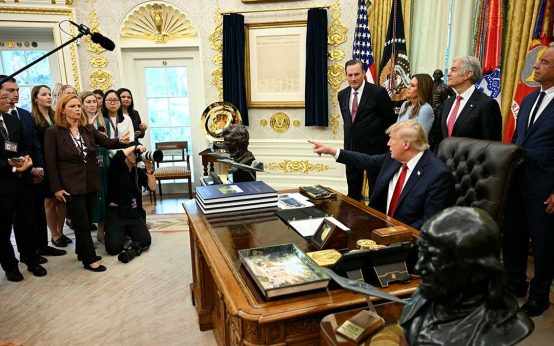 Legal Battle Over Media Ban at White House
 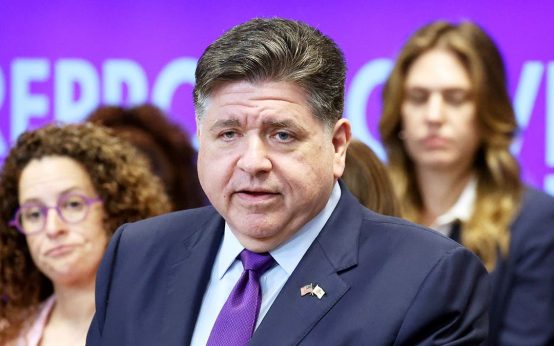 Governor Pritzker Addresses Hasan Piker Controversy
 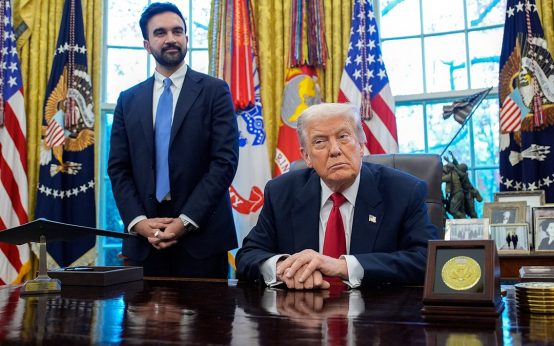 Trump and NYC Mayor Mamdani: Political Divides and Collaborative Efforts
  Rep. Jared Golden Endorses Mike Lawler for Reelection