House Republicans Aim to Transfer Student Loan Management to Treasury
House Republicans have introduced legislation to move millions of federal student loan accounts from the Department of Education to the Treasury Department. This move seeks to formalize a previous initiative from the Trump administration, reducing the Education Department’s role in student debt management.
Target of New Legislation
The proposal is one of ten bills introduced by Republicans with the aim of altering the Department of Education’s responsibilities. Republicans describe these changes as a method to ‘right-size’ the department by reallocating duties to other federal agencies.
Potential Impact
This initiative could affect more than 40 million Americans with federal student loans. It aims to reshape the administration of the government’s $1.7 trillion student loan portfolio. Key questions for borrowers include identifying the future managers of their loans and understanding changes in repayment program operations. Additionally, there are concerns about the Treasury Department’s capability to manage millions of student loans effectively.
Phased Transfer Plan
The transfer is likely to occur in stages, starting with loans already in default. According to a March agreement between the Education and Treasury departments, the Treasury will initially focus on these defaulted loans. The plan may later extend to non-defaulted loans.
The proposal will not erase student loans or directly alter the amounts owed. It will move servicing and collection operations from the Education Department to the Treasury, potentially involving changes in portals, notices, and collection processes, according to Alex Beene, a financial literacy instructor at the University of Tennessee at Martin.
House Committee’s Perspective
House Education and Workforce Committee Chairman Tim Walberg stated that these bills aim to allocate responsibilities to agencies perceived as better suited for them. He emphasized reducing bureaucratic hurdles that separate families from essential services.
Current Borrower Expectations
Borrowers should expect no immediate changes in payment processes. Under the current Treasury-Education agreement, borrowers will continue interacting with existing loan servicers. Initially, the focus will be on defaulted loan borrowers.
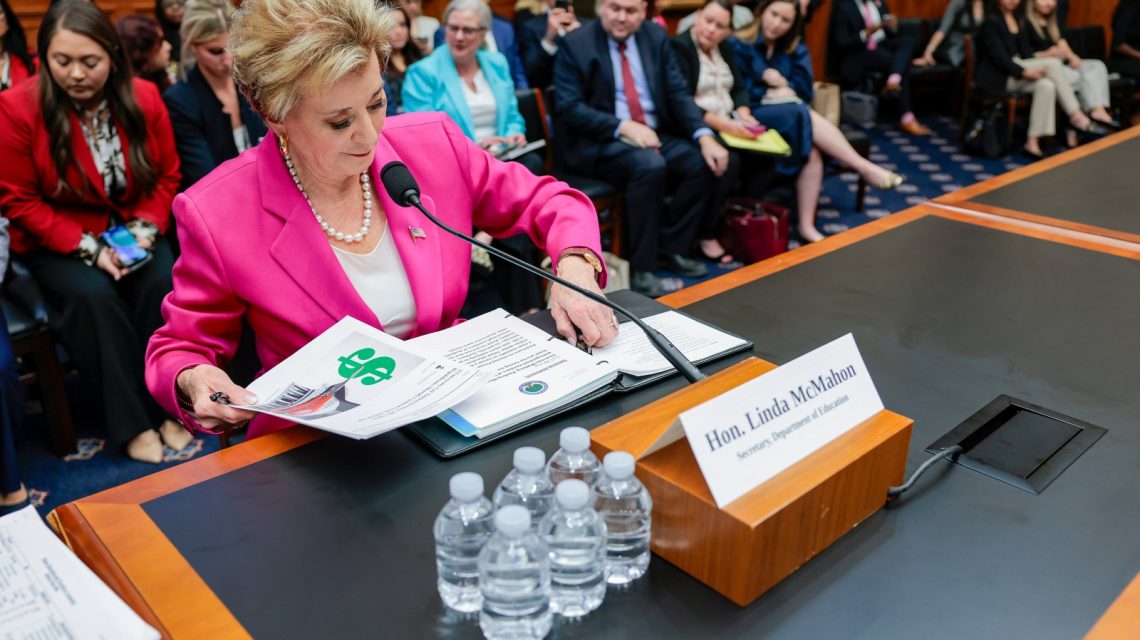
According to the Trump administration, transferring oversight to the Treasury could enhance collections and taxpayer accountability. Earlier this year, Education Secretary Linda McMahon noted shortcomings in managing loan programs, and Treasury Secretary Scott Bessent highlighted the Treasury’s capabilities for financial management.
Concerns and Legal Challenges
Despite support, there are concerns about the Treasury’s readiness to manage complex repayment and forgiveness programs. Critics argue that student loans are unique and not comparable to other federal debts. Challenges include potential risks to borrower credit and legal questions regarding the transfer’s legality, as federal laws assign student aid programs to the Department of Education.
Scope of Concern
The federal government manages around $1.7 trillion in student debt. Defaulted loans make up approximately $180 billion or 11 percent of the total portfolio. Over 40 million Americans have federal student loans, signifying potential wide-reaching effects if the Education Department’s responsibilities shift significantly.
Next Steps
For this proposal to take effect, it requires congressional approval. Meanwhile, the Trump administration continues preparatory steps for transferring student loans under the March agreement.
 Congressional Inaction Amid AI Concerns
  Zohran Mamdani Faces Backlash at Staten Island Event
  Legal Battle Over Media Ban at White House
  Governor Pritzker Addresses Hasan Piker Controversy
  Trump and NYC Mayor Mamdani: Political Divides and Collaborative Efforts
  Rep. Jared Golden Endorses Mike Lawler for Reelection