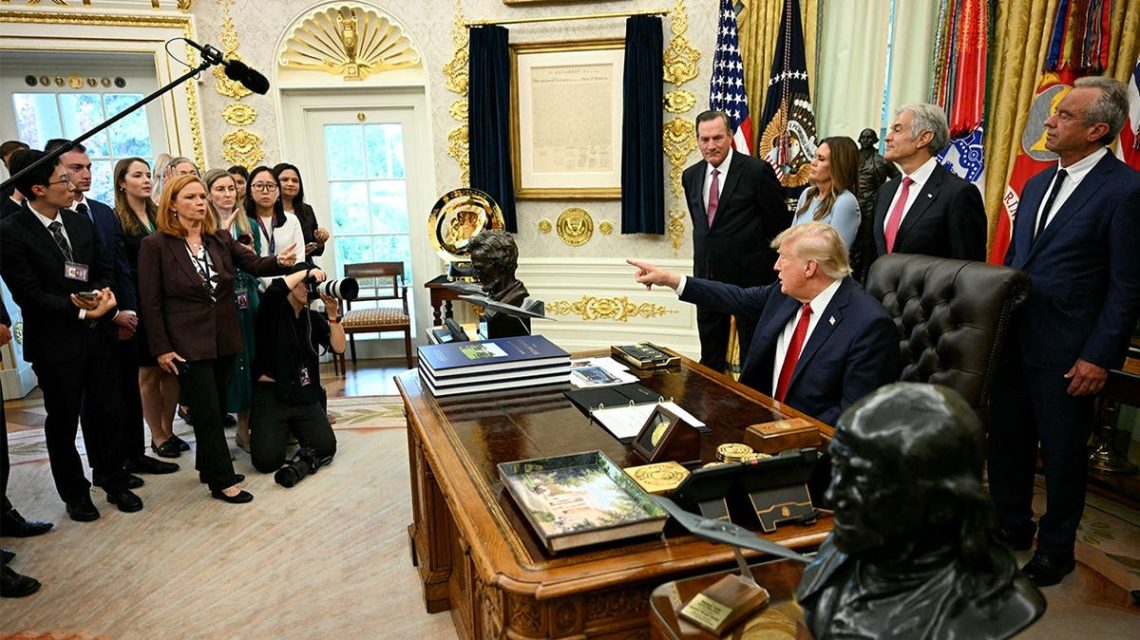
An attorney representing a nonprofit focused on defending the First Amendment argues that President Donald Trump is unlikely to succeed legally against the three media outlets he banned from the White House. The ban includes CNN, MS NOW, and Politico, prompting a lawsuit against Trump, but the White House remains firm.
Legal Perspectives
Aaron Terr, director of public advocacy at the Foundation for Individual Rights and Expression in Philadelphia, predicts trouble for the Trump administration in court. Terr believes the ban is clearly unconstitutional, pointing to the idea that when the White House grants press access, the First Amendment protections extend to those reporters.
Terr states, “Once granted access, reporters cannot be banned for their viewpoints or critical coverage, as President Trump suggested was the reason for banning CNN, MS NOW, and Politico.” This has led to reporters setting up outside the White House on Pennsylvania Avenue, continuing their coverage from across the street.
Response to the Ban
In defiance of Terr’s assessment, the White House stands by its decision. Former White House Press Secretary Karoline Leavitt addressed media members from the press briefing room. Meanwhile, CNN and other networks refused to replace CNN’s role in the White House television pool.
Media organizations including Fox News, ABC, CBS, and NBC issued a joint statement emphasizing the public’s need for accurate and independent information. They condemned any administration’s restriction on news organizations due to objectionable reporting.
Jacqui Heinrich, President of the White House Correspondents’ Association (WHCA), denounced the administration’s actions as First Amendment violations. Heinrich stated, “Excluding a specific news outlet sets a precedent that can affect any outlet in the future. We call on the administration to restore our colleagues’ access.”
The First Amendment Implications
Terr highlights that while no reporter has an inherent First Amendment right to report specifically from the White House, once granted access, it cannot be revoked due to ideological disagreements. He argues that this broader First Amendment principle prevents government retaliation against Americans for protected speech.
The risk of government-controlled media, Terr warned, would be significantly problematic. He accentuated that the First Amendment prevents such control, ensuring reporters can cover news as they see fit. The American public then decides on trust and belief in their reporting.
Ultimately, this legal conflict raises serious questions about press freedom and government influence over media outlets. Public scrutiny and free press serve as a cornerstone of democracy, emphasizing the importance of independent reporting.
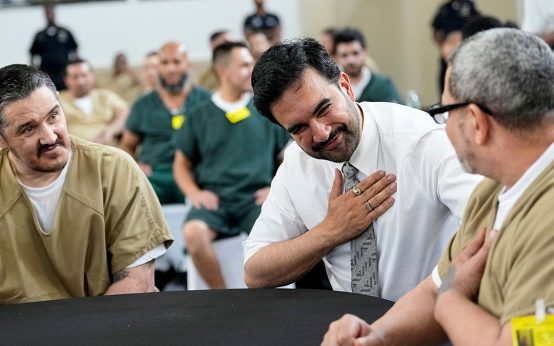 Zohran Mamdani Faces Backlash at Staten Island Event
 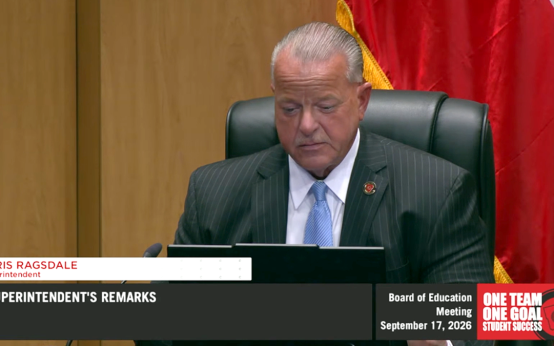 Controversial Removal of ‘The Bluest Eye’ from Georgia School Libraries
 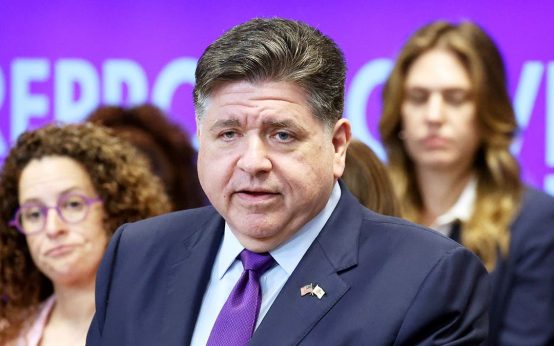 Governor Pritzker Addresses Hasan Piker Controversy
  Kyler Murray Cleared from Concussion Protocol, Set to Start Against Buccaneers
  Fat Bear Week: A Unique Annual Tradition at Katmai National Park
 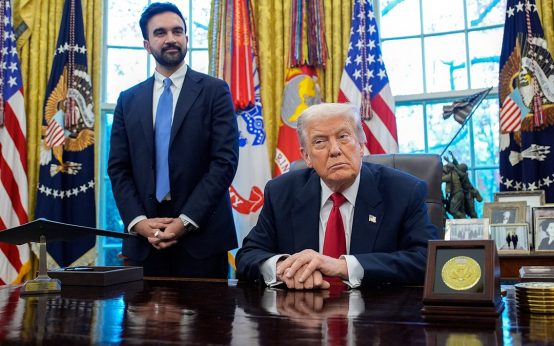 Trump and NYC Mayor Mamdani: Political Divides and Collaborative Efforts