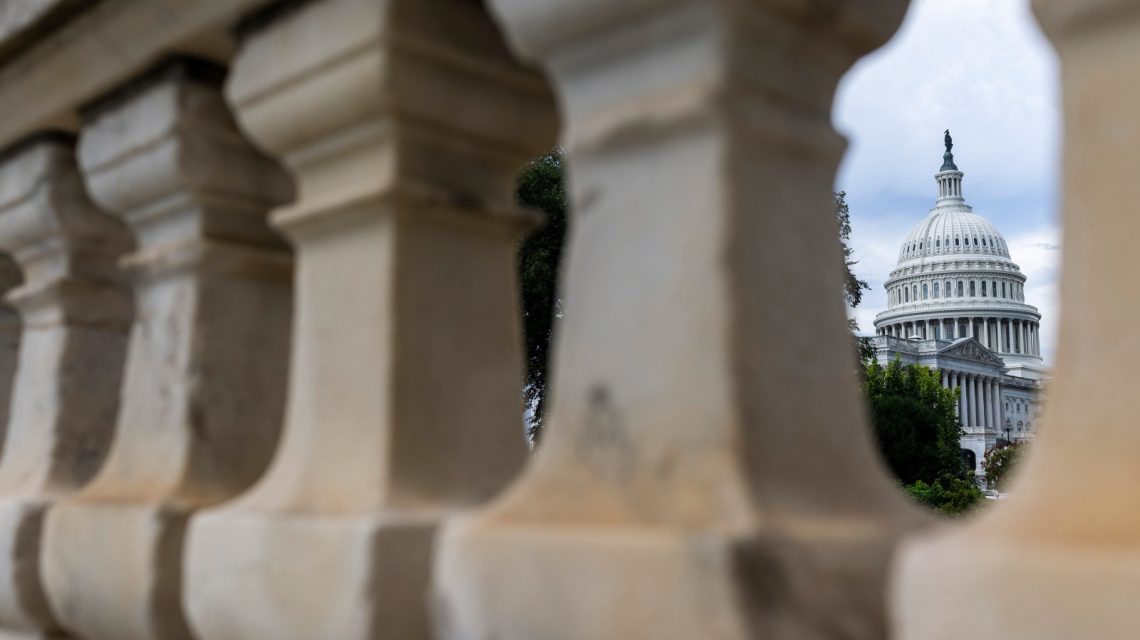
Over 30 Democrats in the House of Representatives voted Thursday in support of a measure aimed at stripping federal aid from colleges and universities involved in boycotts against Israel. Led by Republican Virginia Foxx from North Carolina, this bill seeks to amend the Higher Education Act of 1965. It aims to block institutions that engage in ‘a nonexpressive commercial boycott of Israel’ from receiving federal funding.
The legislation, known as the Protect Economic and Academic Freedom Act of 2026, passed with a 237-169 vote and is now headed to the Senate. Virginia Foxx’s office highlighted her statement, which emphasizes the bill’s purpose to remove taxpayer support from campaigns perceived as antisemitic, specifically those involving BDS (Boycott, Divestment, and Sanctions) and academic boycotts of Israel.
What the Bill Entails
The bill would prevent colleges and universities that receive federal education funding from participating in specific commercial boycotts of Israel. Additionally, it mandates that schools with international education funds ensure that students and faculty can access academic programs in Israel under the same conditions as in other countries.
Supporters argue that the bill would help deter discrimination against Israel and protect academic exchange opportunities. However, opponents believe it could limit political activism and suppress free expression on campuses.
Changing American Views on Israel
The vote reflects a broader change in American attitudes toward Israel, particularly within the Democratic Party. A Gallup poll from February showed that 65% of Democrats sympathize more with Palestinians, compared to 17% with Israelis. Overall, Americans are divided, with 41% favoring Palestinians and 36% siding with Israelis. Support among Republicans remains higher for Israel, though Pew polling indicates increasing unfavorable views, particularly among younger Republicans, and a general decline in positive perceptions of Israel across party lines.
Democrats’ Position on the Vote
Of the 33 Democrats who supported the bill, 203 Republicans also voted in favor. Meanwhile, 167 Democrats opposed it, including prominent figures like Minority Leader Hakeem Jeffries, former Speaker Nancy Pelosi, and South Carolina’s James Clyburn.
This vote underscores a growing divide within the Democratic Party. While some Democrats continue to support measures framed as combating antisemitism, party voters are increasingly critical of Israel, particularly in light of conflicts in Gaza.
Critics caution that efforts to address antisemitism can sometimes confound anti-Jewish sentiment with critiques of the Israeli government. This raises concerns about freedom of speech and pro-Palestinian advocacy in academic settings.
Before the vote, Representative Jerry Nadler expressed his disapproval of the BDS movement, which the bill targets, but he voted against the bill. He reasoned that protecting Americans’ freedom of speech, even when disagreeable, is essential to safeguarding speech he agrees with.
Republicans Thomas Massie from Kentucky and Warren Davidson from Ohio also voted against the proposal.
Democratic Party Implications
This vote’s significance lies in the fact that some Democratic representatives backed the measure, even as the party’s voter base adopts a more critical perspective on Israel. There is pressure for leaders to clarify the distinction between protecting Jewish students and limiting criticism of Israeli policies.
This tension became evident in August when Jeffries faced criticism following Jarred Moskowitz’s appointment to the House Foreign Affairs Subcommittee on the Middle East and North Africa. Moskowitz, a pro-Israel Democrat, expressed intentions to bolster ties with Israel and Gulf nations. His appointment sparked concern that Democratic leadership may not fully align with evolving views of the party’s followers.
The vote highlights internal party arguments, with Democrats supporting the legislation representing both established pro-Israel members and those from competitive districts who might perceive campus antisemitism as a civil-rights and public-safety issue. The substantial opposition within the Democratic caucus suggests a growing skepticism around linking antisemitism to disputes over Israel, indicating it has become a mainstream position rather than a stance held by its progressive members alone.
 Lessons from a Storied Press Secretary
  Tlaib’s Bill Aims to Halt Federal Funding for Mass Surveillance
  California’s New Hate Speech Instruction Faces Pushback
  Macron Faces Criticism Amid Violent Protests in France
  Addressing Recidivism and Reforming the U.S. Prison System
  Democracy Dies in Darkness