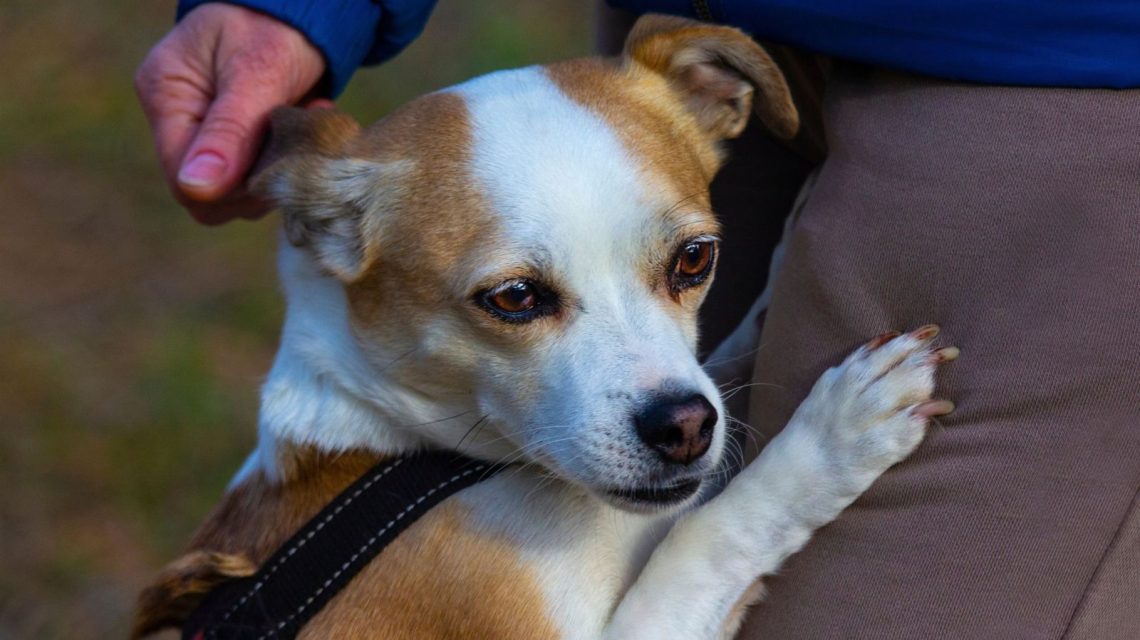
Dogs are continuously learning how their actions lead to specific reactions from their owners. However, when an owner experiences hearing loss, these pets often need to develop new communication methods. According to Dr. Linda Simon, a resident veterinarian at Pooch & Mutt, dogs quickly learn from their environment and experiences.
If an owner no longer responds to their dog’s barks or whines, the pet might employ other communication strategies. They may position themselves in front of their owner or use touch as a signal, recognizing that sounds are not the only way to convey messages.
Encouraging Dogs to Communicate Differently
Barking and whining generally serve as attempts to capture an owner’s attention. Dogs understand that these actions can elicit responses, like begging for food during meals. With decreased recognition of these sounds, dogs might alter their behavior. Dr. Simon explains that if barks and whines are ignored, their frequency may decrease. For owners with hearing impairments, dogs may shift to using alternate behaviors to gain attention.
Owners can encourage such new behaviors by responding positively. For example, if a dog touches its owner to communicate instead of barking, responding to this touch can encourage its continuation as a form of communication.
Factors Influencing Communication Adaptation
The speed at which dogs adjust depends on the breed and individual characteristics. Intelligent breeds like poodles and collies might adapt more readily. The dog’s age and history also influence adaptation. Puppies raised in environments with hearing-challenged owners may find the absence of audio cues normal compared to adult dogs with previous hearing-capable families.
The Role of Hand Signals
For owners with hearing challenges, dogs can understand hand signals in absence of voice commands. Dr. Simon notes that dogs excel in visual learning and respond to cues and hand gestures.
There are no universal hand signals for dogs. Instead, owners and dogs can establish personal signals effective for their dynamic. For instance, a raised palm could command a dog to sit while an outward arm wave signals a stop.
Consistency in signals aids learning. Repeated use of the same gesture allows dogs to associate actions with intent, compensating for the lack of verbal commands. Owners are encouraged to acknowledge their dog’s intuitive attempts at communication, like touching over barking, which reinforces effective interaction methods.
Adjusting to hearing loss requires patience from both dog and owner. As dogs learn from their surroundings, they adapt communication as needed. This adaptation can foster a relationship relying more on gestures, eye contact, and touch rather than sound, maintaining effective communication.
 Local Events Highlight October Festivities and Arts
  Benefits of Particle Skincare for Men
  The Rise of Solo Travel and the Industry Response
  Prepare for Rainy Fall with Discounted Columbia Rain Jacket
  Passenger’s Unusual In-Flight Behavior Sparks Outrage
  The Role of Home in Addressing Children’s Mental Health