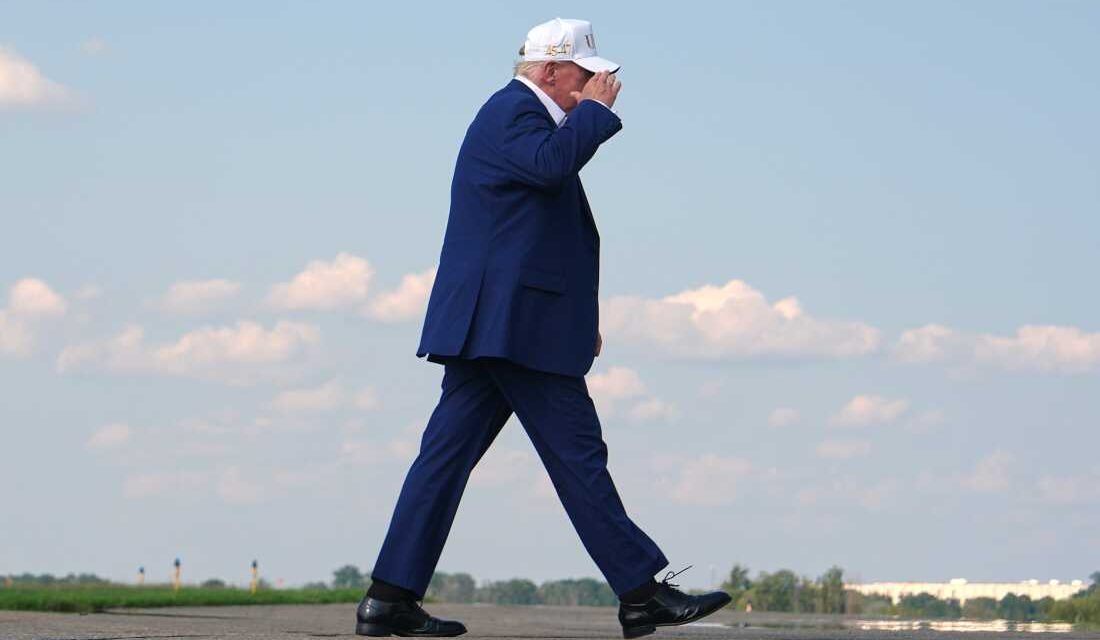
President Donald Trump often asserts that his confrontation with Iran stems from decades of unsuccessful economic pressure intended to halt its nuclear ambitions. Now, he is gambling that intensified financial constraints will conclude the conflict. The administration believes that sustained bombing has pushed Iran’s economy to a breaking point, compelling its leaders to end their nuclear program and fully reopen the Strait of Hormuz to oil and gas tankers.
On Monday, Trump announced that since Iran seeks compensation in peace talks, the U.S. will also make similar demands. This marks a strategic shift as Trump argues that Iran teeters on the edge of financial collapse, a stance taken after decades of sanctions which typically act as long-term strategies rather than immediate solutions.
This adjustment occurs while the U.S. faces stockpile reductions in key weapons and as peace negotiations seem to stall once again. Despite these challenges, Trump maintains optimism that pressure could yield a resolution. “They can cause trouble, but they’re broke,” Trump told reporters. “Iran has no money. They’re not paying their soldiers. Inflation is running at 300%.” Trump’s inflation figures deviate from those provided by his administration, yet the ongoing conflict risks exacerbating inflation globally, including in the U.S., where higher gasoline prices are already impacting public opinion.
On the financial markets, Trump’s comments on Monday led to a surge in crude oil prices. Investors interpreted his statements as an indication of decreased shipping activities through the Strait of Hormuz, thus restricting global supplies of energy resources. Before hostilities, this crucial waterway facilitated about 20% of global oil shipments. Efforts to reopen it have been fleeting, with Iran using the strait as a bargaining chip in negotiations.
U.S. Strategy: ‘Operation Economic Fury’
The president did not elaborate on additional financial measures but since April 16 the administration has undertaken ‘Operation Economic Fury’ against Iran. Treasury Secretary Scott Bessent equated this initiative to a financial onslaught, targeting countries trading oil with Iran or maintaining economic ties. Yet one challenge remains: sanctions’ impact cannot match the immediate effects of a mostly closed strait, emphasized by Richard Nephew from Columbia University. Nephew, a former strategist in the Obama administration, noted the limits of sanctions, given Trump’s fluctuating war objectives and lack of clear strategy articulation.
While sanctions and the U.S. naval blockade of Iranian ports provide economic leverage, as per former adviser Juan Zarate, these tactics require time. Zarate pointed out that the U.S. aims to deter third-party business with Iran using severe sanctions, testing the effectiveness of economic coercion to alter Iran’s conduct.
Sanctions: A Contested Measure
Trump’s current reliance on economic measures with Iran stands in contrast to his previous criticism of past presidents over their sanction strategies. During a recent speech in Las Vegas, he defended military actions, noting the historic failure of sanctions since 1979 to achieve results. Trump said, “It’s been 47 years, but truly, 50 years of ineffective strategies. No other president has taken necessary steps to prevent Iran from acquiring a nuclear weapon.”
The war has deeply impacted Iran’s economy. The International Monetary Fund projects a 5.4% economic contraction, with Iranian reports citing 88.6% inflation. U.S. Treasury data shows a decrease in Iranian oil output from 1.8 million barrels per day pre-war to below 500,000 barrels in recent months. Despite U.S. economy growth, elevated inflation and increased borrowing costs have hurt Trump’s approval and highlighted dissatisfaction with the Iranian conflict.
An anonymous U.S. official noted that military efforts have significantly hindered Iran’s energy resources. The administration continues to view its blockade and sanctions as effective, with potential for further intensification. Trump suggests U.S. citizens can better endure economic challenges than Iranians, who endure ongoing hardships.
Defense Secretary Pete Hegseth hinted at more strategic moves ahead, emphasizing U.S. economic power. “It’s not just military prowess,” Hegseth stated, “with a determined treasury secretary, we’ve got numerous tools to apply pressure on adversaries.”
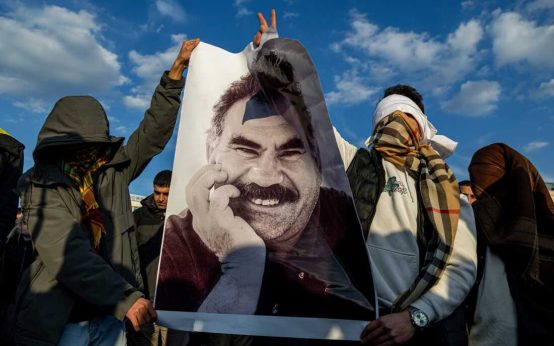 Turkey Parliament Passes Conditional Pardon Law for Kurdish Militants
 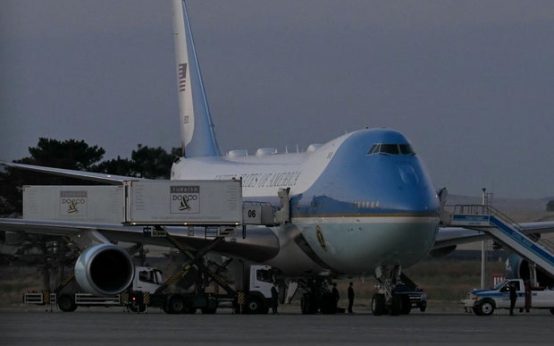 Secret Plane Switch Ensures Trump’s Safe Departure from Turkey
 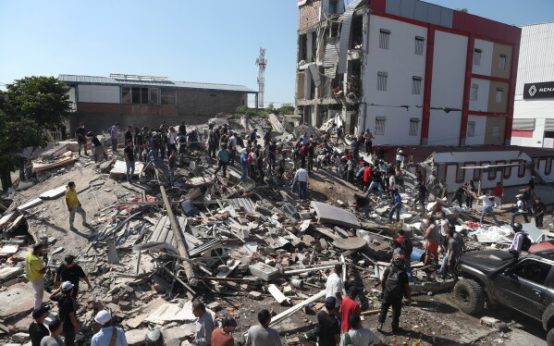 Deadly Earthquake Strikes Western Colombia, Rescue Efforts Underway
 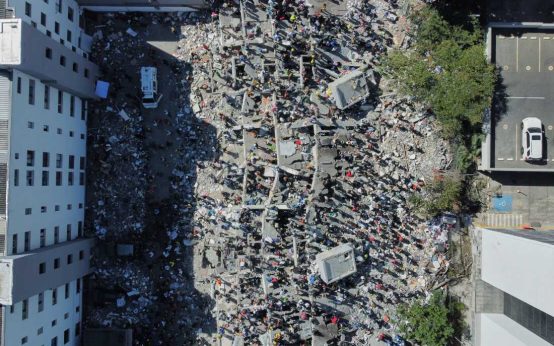 Earthquake Devastates Western Colombia
 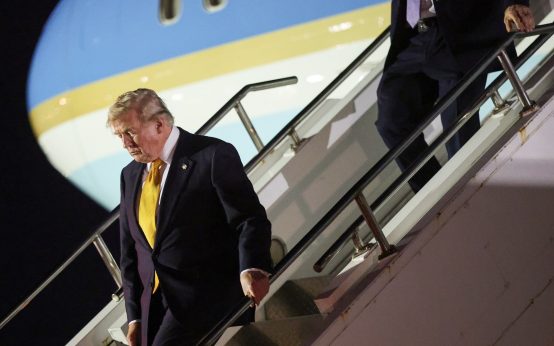 Security Concerns Prompt Secret Aircraft Switch for President Trump Amid Tensions with Iran
 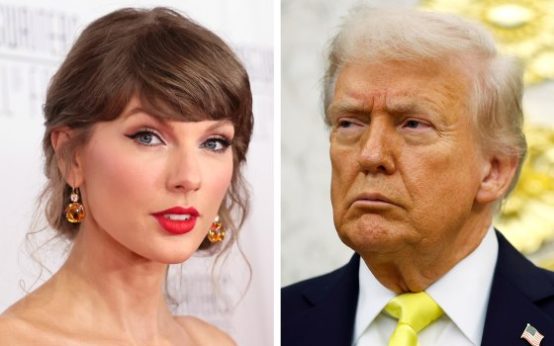 Taylor Swift’s Songs Removed from Political TikTok Posts