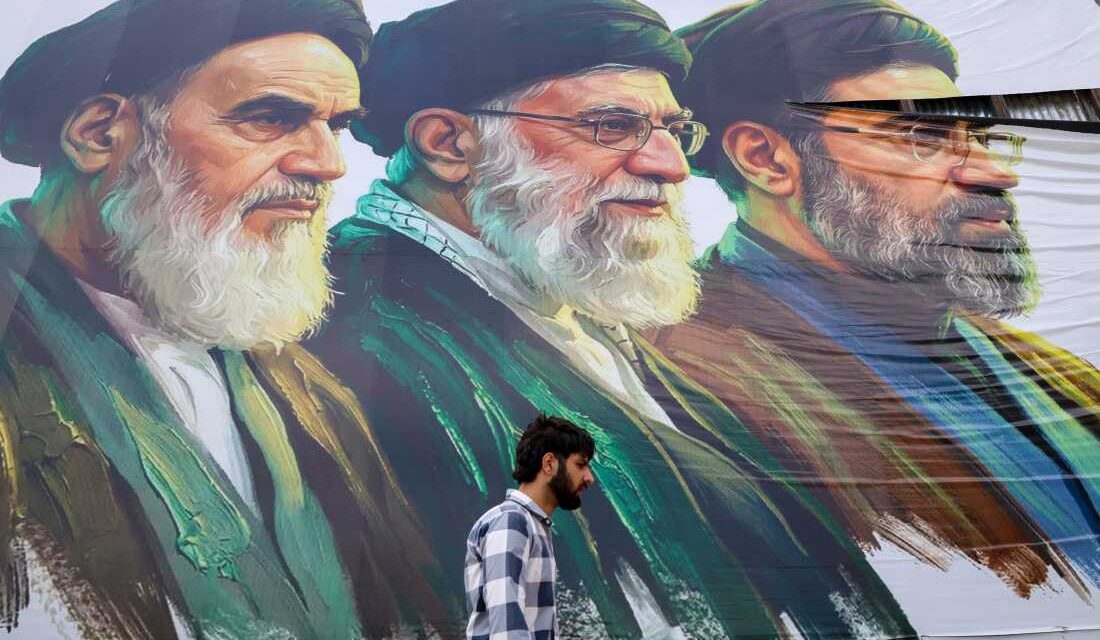
The recent Iran war, although relatively short-lived, has left lasting impacts. With a loose framework and ceasefire deal in place, the immediate conflict has ended. However, the consequences, both human and economic, may persist for years.
The Cost of Conflict
The war pitted a powerful military against a strategically skilled but weaker rival. The conflict resulted in the deaths of 13 U.S. service members and over 3,300 Iranians, as reported by state media. Additional casualties include 3,826 in Lebanon, nearly 60 in Israel, and dozens across Gulf states. Beyond the human toll, the war has had broad economic ramifications.
Domestic Economic Impacts
Moody’s Analytics states that the war has cost U.S. consumers and taxpayers approximately $132 billion. The most visible cost is the surge in energy prices
The near shutdown of the Strait of Hormuz led gasoline prices to spike from under $3 to $4.56 per gallon according to AAA. While prices have decreased, elevated costs continue to impact U.S. motorists, who use between 360 million to 380 million gallons daily. Diesel prices also rose, increasing transportation costs for goods transported by truck or train. Additionally, higher fuel prices raised airline ticket prices by about 27% over the past year.
The war has affected more than energy costs. Fertilizer prices climbed up to 47% due to disrupted supply chains through the Strait, affecting U.S. farmers who struggle to afford necessary supplies. These issues add to existing challenges in the agricultural sector.
Mortgage rates have also increased due to wartime uncertainty. The average interest rate on a 30-year home loan reached 6.52%, impacting potential homebuyers and the housing market, which was already struggling.
Global Economic Impact
The Iran war’s ripples extend globally. The World Bank has cut its 2026 global economic growth forecast to 2.5%, the lowest since the pandemic. Europe faces slowing growth and inflation, while India and other regions encounter shortages of essentials like fertilizer and cooking gas.
In the Middle East, the situation is dire. The World Bank predicts the Gulf economies’ growth will slow significantly. The conflict particularly affected Iran, leading to a $300 billion reconstruction plan as part of the U.S.-Iran agreement. The IMF noted significant economic setbacks in Qatar following targeted attacks, and crude oil production in the region dropped drastically.
Major oil companies, like Saudi Aramco, experienced profit surges due to increased oil prices. The broader regional impact included reduced airline flights and a devastated tourism industry, affecting perceptions of safety in the Gulf.
The United Nations notes that war-induced disruptions, including constraints on supply chains, exacerbate global poverty and hunger.
Military and Political Costs
The Pentagon estimates the war’s operational costs at $29 billion, with further expenses expected for repairs in the Middle East. The conflict saw attacks on U.S. military facilities, resulting in damage and loss of equipment.
Politically, the war impacted approval ratings. President Trump’s net approval ratings dropped as the conflict unfolded, reflecting public dissatisfaction with the economic consequences of the war. This downturn was significant as it affected electoral messages ahead of the midterms.
 Michigan Senate Nominee Abdul El-Sayed Criticized for Remarks on Reproductive Rights
  Alan Ritchson Faces Backlash Over Political Remarks
  Austin Police Release Footage of Arrest After ICE-Involved Shooting
  Poll Reveals Voter Preferences Between Socialist Democrats and MAGA Republicans
  Challenges of Electing a Female President: Insights from ‘The View’
  Himalayan Pilgrimage: A Couple’s Narrow Escape and Lingering Questions