
Research indicates that even modest increases in air pollution levels can significantly heighten the risk of severe respiratory illnesses for preterm infants. This finding underscores the vulnerability of these infants to environmental factors.
The neonatal intensive care unit (NICU) is where premature infants receive critical care. Families often spend weeks or months here, surrounded by monitors, alarms, and medical interventions. The day of discharge feels like reaching a milestone, allowing families to bring their baby home after a long period of waiting and medical attention.
Recent studies highlight the importance of maintaining low air pollution levels to safeguard the health of these infants. Pollutants in the air can exacerbate conditions and increase the likelihood of respiratory complications, emphasizing the need for clean air initiatives.
These findings are crucial for healthcare professionals and policymakers. They stress the importance of creating strategies to reduce air pollution, aiming to protect vulnerable populations, including preterm infants, from adverse health effects.
 Highlights from Recent News Stories
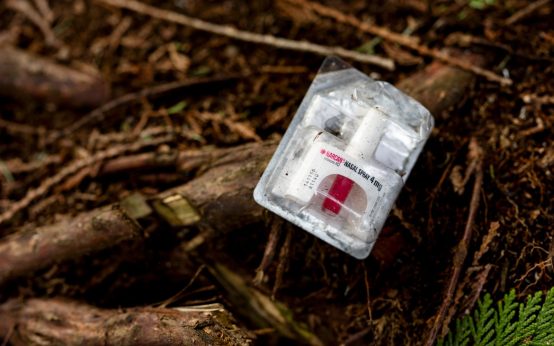 DEA Dismantles First U.S. Large-Scale Nitazene Lab
 Trump Open to Bipartisan Health Care Plan with Democrats
 Ty Pennington’s View on Home Renovation and Health
 Detroit Boy in Critical Condition After Unsecured Firearm Incident
 Building Resilience Amid Stress and Uncertainty