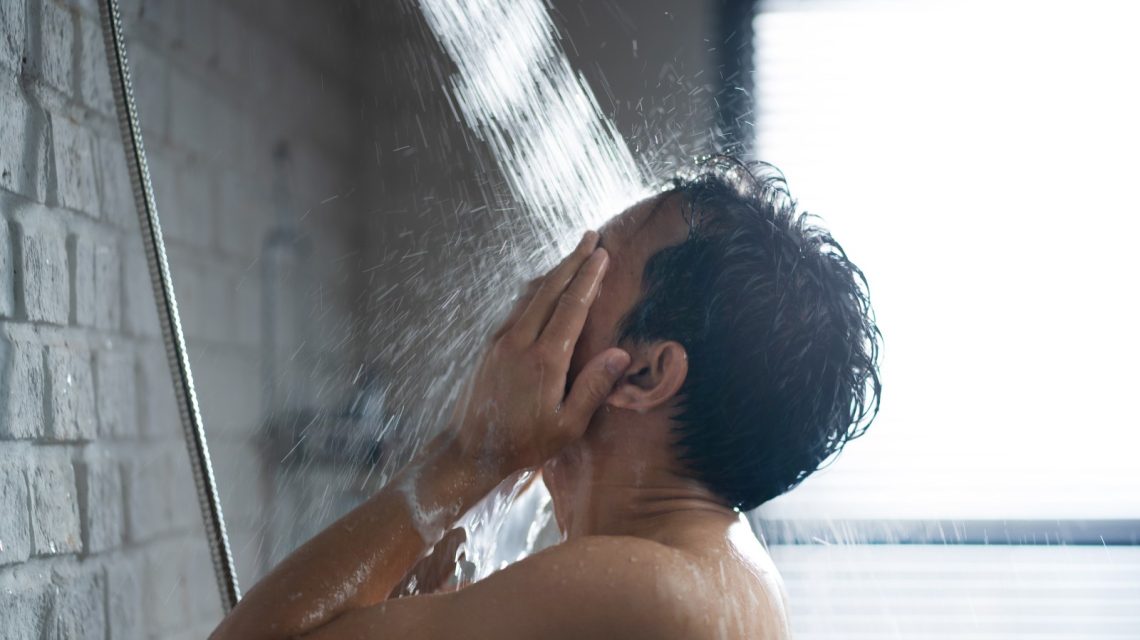
Small decisions made in today’s shower routines may greatly affect household water consumption. A study published in the Journal of Environmental Management emphasizes how shower habits, like using shampoo multiple times, can impact water usage more than demographic factors.
The study notes that showers contribute between 25% to 45% of indoor household water use. Researchers from the University of Surrey studied 319 households in Germany over 40 days using smart sensors which recorded 8,550 shower events. These sensors tracked shower duration, pauses, and other factors. The data were supplemented with surveys collecting demographic, hair, and product usage details.
Findings show significant influence of shower habits on water usage. Notably, showering while applying shampoo twice lasted 27% longer than a single application. Dr. Pablo Pereira-Doel highlighted that behaviors during showering, such as letting water run while lathering, extend shower time considerably.
Interrupting water flow also prolonged showers. Participants who paused water three or more times had showers lasting 20% longer than those who did not pause. Shower duration rose by 28% when compared to those who paused once.
Age factor analysis reveals younger and middle-aged adults spend more time in showers compared to those over 50. Regions with soft water witnessed showers lasting 23% longer than areas with hard water, due to richer lather.
The EPA states the average American shower lasts eight minutes, using approximately 16 gallons of water. To reduce water consumption, researchers urge focusing on behavioral changes rather than solely technological solutions like efficient showerheads. Encouraging single shampoo use and switching off water during lathering are advised.
Potential strategies include using behavioral nudges, feedback devices, and product designs to minimize water use while ensuring comfort. Pereira-Doel emphasizes designing solutions compatible with existing habits.
Understanding these minor yet impactful shower habits might be crucial in reducing household water use alongside technological interventions.
Reference: David Morizet et al, “Event-level modelling of showering behaviour in German households: Triangulating smart-meter, in-situ survey and contextual public data,” Journal of Environmental Management (2026).
 Presley Gerber’s Passing Raises Addiction Recovery Concerns
  Understanding October SNAP Benefits: Payment Dates and Changes
  Cold Weather Alerts and El Niño Influence
 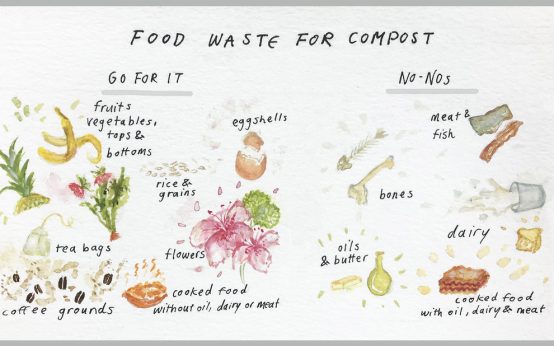 Turning Home Food Waste into Compost: A Guide
  Chicagohenge: When Sunlight Aligns with City Streets
  Fat Bear Week 2026: A Look at the Contest and Its Competitors