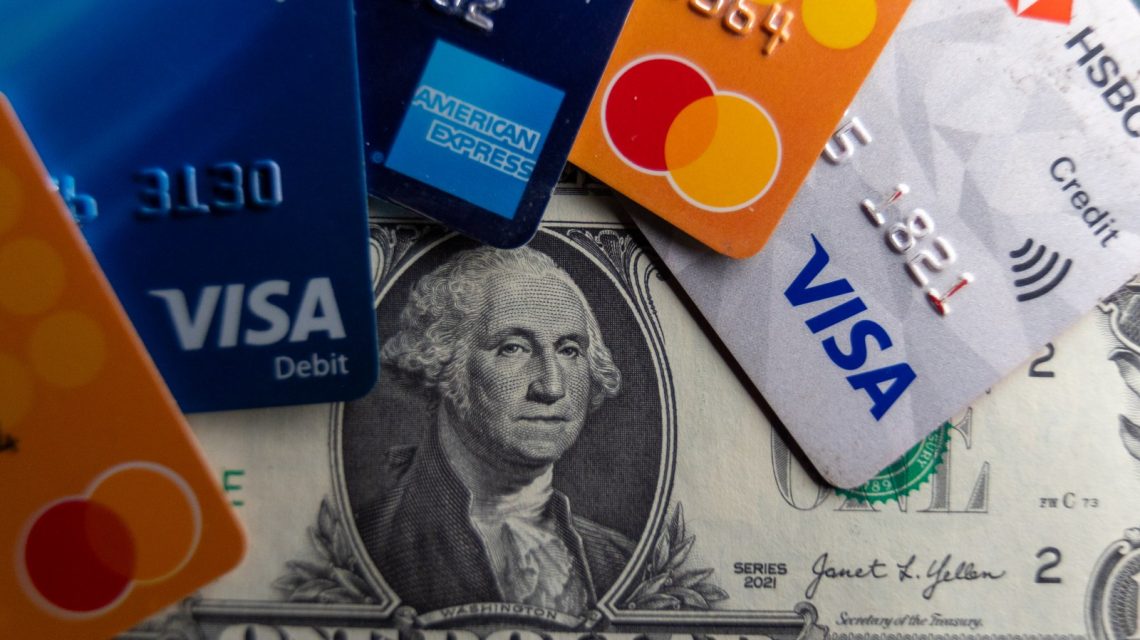
More Americans are successfully requesting higher credit card limits. Recent insights from the Survey of Consumer Expectations (SCE) Credit Access Survey by the Federal Reserve Bank of New York highlight this trend.
Increased Access to Credit
The survey indicates that consumers are finding it easier to access credit compared to last year. Credit applications have peaked at the highest since October 2021, while rejection rates are notably lower than in the previous year. This suggests that many lenders are becoming more willing to extend credit.
Importance of Credit Limits
Credit limits significantly impact financial health. A higher limit can increase financial flexibility and improve the credit utilization ratio, vital for credit scores. However, rising credit demand might also imply household financial pressure, with borrowing used to cover expenses.
Current Economic Confidence
Alex Beene, a financial literacy instructor, pointed out that “The findings indicate an economy where Americans feel confident enough to seek credit, though cautious about their financial future.”
The survey revealed the highest reported credit applications since October 2021. Although the rejection rate for applications slightly increased from February, it remains substantially below the June 2025 level of 23.1%.
Consumer Perception
There is a notable decline in the perceived likelihood of being rejected for credit types, including:
- New credit cards
- Auto loans
- Mortgages
- Mortgage refinancing
- Credit limit increase requests
This trend implies that consumers feel more confident about credit approvals than earlier this year.
The Importance of Responsible Credit Use
Michael Ryan, a finance expert, stated, “The application rate suggests households are preparing for challenges. While a larger credit limit is beneficial if unused, credit lines remain costly as an emergency fund.”
Lender Willingness Trends
The economic environment might make lenders more comfortable than a year ago. The labor market shows resilience, and there’s a slight improvement in consumers’ ability to manage unexpected costs. In June, 66% felt capable of covering a $2,000 emergency, up from 63% in February.
Drew Powers remarked that credit limits could lead to higher balances and interest expenses, noting inflation’s impact on current limits compared to past values.
Concerns about Inflation
Kevin Thompson mentioned, “Inflation, more than anything, is increasing reliance on credit, with non-discretionary expenses climbing faster than wages.”
The survey indicates a rise in consumer concern about needing $2,000 unexpectedly, with this belief increasing to 34% in June. Financial vulnerability persists for many, even with easier borrowing conditions.
Implications for the Future
The next release of the New York Fed’s Credit Access Survey in November will likely illuminate whether these trends continue and if rejection rates decrease further.