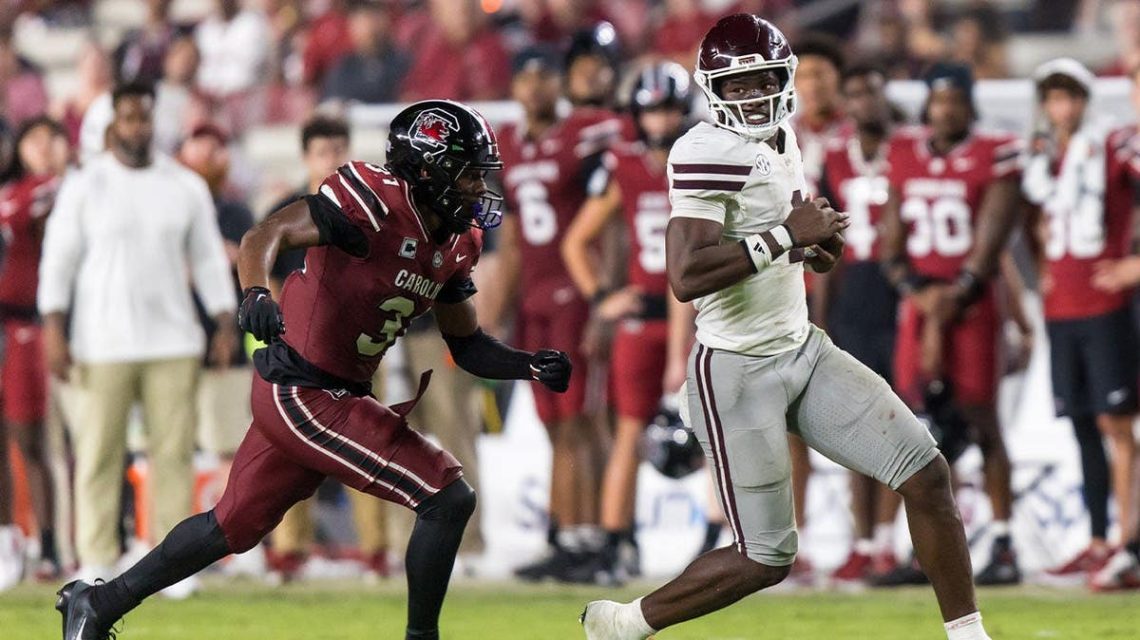
College football is witnessing a drastic inflation that’s not related to grocery prices. The market for college quarterbacks continues to surge, with a recent example involving Mississippi State’s Kamario Taylor, who secured a $7.5 million deal to stay in Starkville. Reports suggest this could climb above $9 million with incentives.
Kamario Taylor’s Lucrative Deal
Kamario Taylor, the quarterback for Mississippi State, recently signed a significant deal. His performance has sparked enthusiasm among fans, especially as the team has faced challenges in past years. Despite a limited sample size of games, Taylor is seen as a promising talent in college football.
Understanding the Market Pressures
Mississippi State’s decision to secure Taylor is strategic. The transfer portal’s presence and rising competition for quarterbacks make it vital for programs to retain top talent. Scouts anticipate Taylor will be a sought-after draft pick, justifying the hefty contract.
The market for quarterbacks mirrors trends seen in the NFL, where players with modest track records obtain substantial contracts due to their potential.
This scenario is increasingly replicating in college, where financial incentives are substantial.
Lessons from Past Experiences
Consider the case of Brendan Sorsby at Texas Tech, who was offered $5-6 million but faced challenges unrelated to performance. Similarly, Tennessee offered $8 million to Nico Iamaleava, but he eventually transferred to UCLA. These examples highlight the complexity and risks in high-value NIL agreements.
Keelon Russell of Alabama is another player to watch. His performance could demand much higher fees if his team succeeds, underlining the ongoing trend of increasing financial investment in players.
Rising Costs and Future Implications
The financial demands of maintaining competitive college rosters are escalating. Coaches like Ryan Day have previously highlighted the need for substantial funds to assemble championship-caliber teams. These figures are only increasing over time.
The college football landscape is rich in revenue, giving players more leverage than ever. While discussions about implementing salary caps and collective bargaining agreements occur, the current structure remains relatively deregulated.
The future of college football, given these financial trends, remains uncertain, though the influx of money is showing no signs of abatement.
 Understanding Students Beyond Academic Labels
 Pete Crow-Armstrong’s Stellar Season as NL MVP
 Gabrielle Carle: A Key Player for the Spirit and a Promising Medical Student
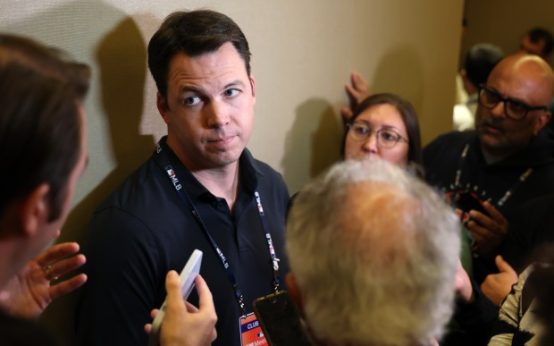 The Rise of Corporate Speak in Sports Executives’ Communication
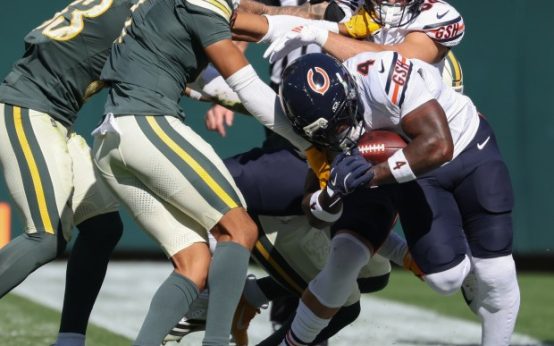 Chicago Bears: Midseason Outlook and Strategic Adjustments
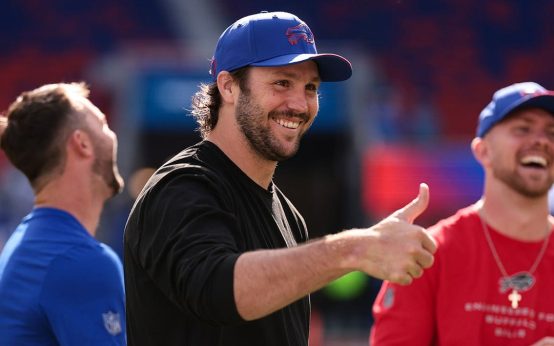 Assessing NFL Teams’ Super Bowl Prospects at Midseason