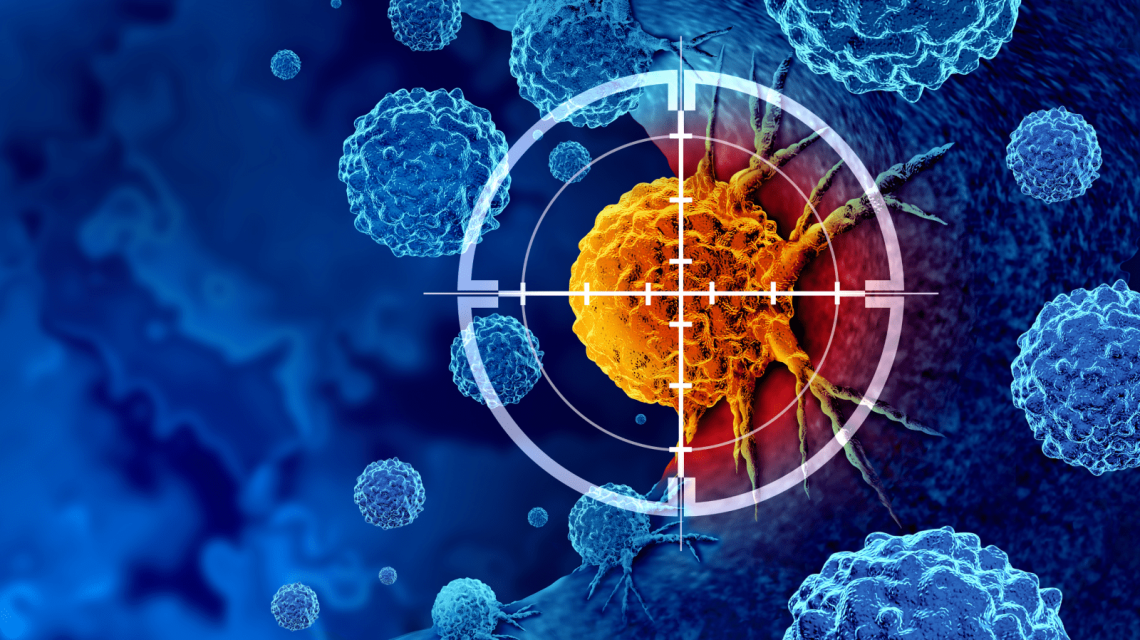
Researchers at Guizhou Medical University have developed a novel nanoparticle-based strategy to harness tumors’ intrinsic copper supplies for cancer treatment. Published in Biomedical Analysis, their study introduces a promising approach focusing on cuproptosis, a type of cell death induced by copper disrupting cancer cell survival.
Historically, adding external copper has posed toxicity risks to healthy tissues. This new system aims to circumvent such issues by deploying a copper-binding agent directly to cancer cells, utilizing copper already within tumors.
The system employs biodegradable nanoparticles made from PLGA-PEG, recognized for safety and biodegradability. These nanoparticles feature a surface modification with iRGD—a tumor-penetrating peptide—to direct them toward cancer cells.
Loaded with TPEN (N,N,N′,N′-tetrakis(2-pyridylmethyl)ethylenediamine), these nanoparticles effectively bind metal ions such as copper. Known as TPEN@1%-iPPN, the formulation is designed to deliver TPEN specifically to tumor cells.
Laboratory tests demonstrated the nanoparticles, approximately 80 nanometers in size, maintained stability under bloodstream-like conditions. The particles gradually released TPEN over 72 hours, enabling sustained exposure within the tumor environment.
Further experiments on 4T1 breast cancer cells confirmed the benefits of the iRGD coating. The targeted nanoparticles showed higher uptake by cancer cells compared to non-targeted versions. Researchers determined that a 1% iRGD modification optimally balanced cancer cell targeting and nanoparticle stability.
The team also assessed the targeted nanoparticles’ effectiveness and safety. Results indicated stronger toxicity against 4T1 breast cancer cells while sparing normal human endothelial cells compared to free TPEN.
Dr. Ying Chen emphasized the potential of mobilizing endogenous copper to enhance selectivity and reduce systemic side effects often associated with metal-based therapies. We have provided a solid proof-of-concept at the cellular level, hoping to inspire further research into cuproptosis-based nanomedicine,
she stated.
Future Directions and Challenges
Despite promising findings, the approach requires overcoming challenges to transition into viable patient treatments. According to Dr. Harshad Kulkarni, chief medical advisor for BAMF Health, there is scientific promise in exploiting cancer cells’ metabolic vulnerabilities.
Dr. Kulkarni noted the approach is still nascent, requiring proof that copper-related treatments can be safely controlled, identification of responsive cancers, and development of biomarkers for treatment efficacy.
A major challenge will involve achieving tumor selectivity due to copper’s essential role in normal cellular functions; altering copper concentrations could lead to toxicity. Further studies are essential to explore potential side effects on major organs and cancer cells’ adaptability.
While applications may extend beyond breast cancer, success depends on the biological characteristics of each tumor. Continued research is needed to determine if this strategy can evolve into safe, effective therapies for patients.
Contact editors Kara Dolman and Gray R. Thomas for more information on this story.
 States Move to Restrict Tianeptine Amid Growing Concerns
  Potential Changes in Medicare Reimbursement for Lab Tests
  Understanding and Addressing the Complexity of Suicide
  Recall of Meat Products from Star Meat Delivery Inc.
  Questions Arise After Presley Gerber’s Death in Rehab
  Upcoming Concerns and Influence in Health Politics