
An unsettling spotlight was cast on the field of anthropology when researchers reacted strongly to criticisms in the recent “Report on the State of Scholarship in the Humanities and the Humanistic Social Sciences.” The report was a collaborative effort spearheaded by Vanderbilt University and Washington University in St. Louis. Anthropologists expressed frustration as the report accused their academic discipline of promoting political groupthink.
Amid growing tensions, it’s clear that university campuses often foster environments where external critique is met with resistance. The initial reaction from anthropologists underscores this tendency for insularity. The academic circles at institutions like Princeton University, depicted in a 2018 photograph taken by Seth Wenig, illustrate a broader issue of educational isolation. There’s a pressing need for open discourse that welcomes diverse viewpoints and challenges established norms within academia.
The reaction of anthropologists reflects a defensive posture that may inhibit fruitful dialogue and self-reflection. It’s essential for academic communities to confront uncomfortable evaluations to foster intellectual growth. Promoting such open communication and embracing critique will strengthen the robustness of scholarship and enhance educational environments. This incident serves as a reminder of the necessity for universities to encourage openness and adaptability in scholarly conversations.
 Impact of Removing Tax-Exempt Status from Private Schools
 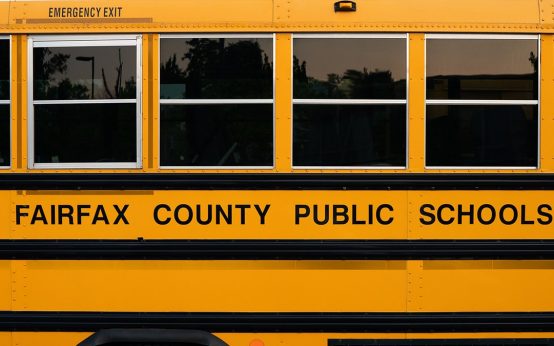 AFL Investigates Fairfax County Schools’ 9/11 Teaching Guidance
 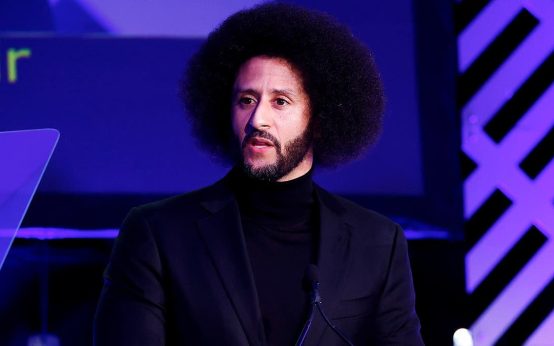 Criticism of Kaepernick’s NFL Draft Comparison
  Challenging the ‘Trust the Experts’ Narrative in School Libraries
 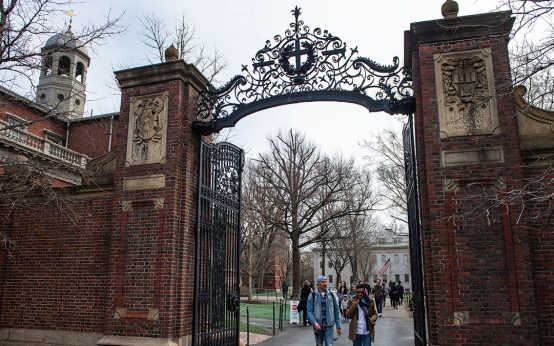 Implications of AI in College Admissions
  Preparing Students for an AI-Shaped Workforce