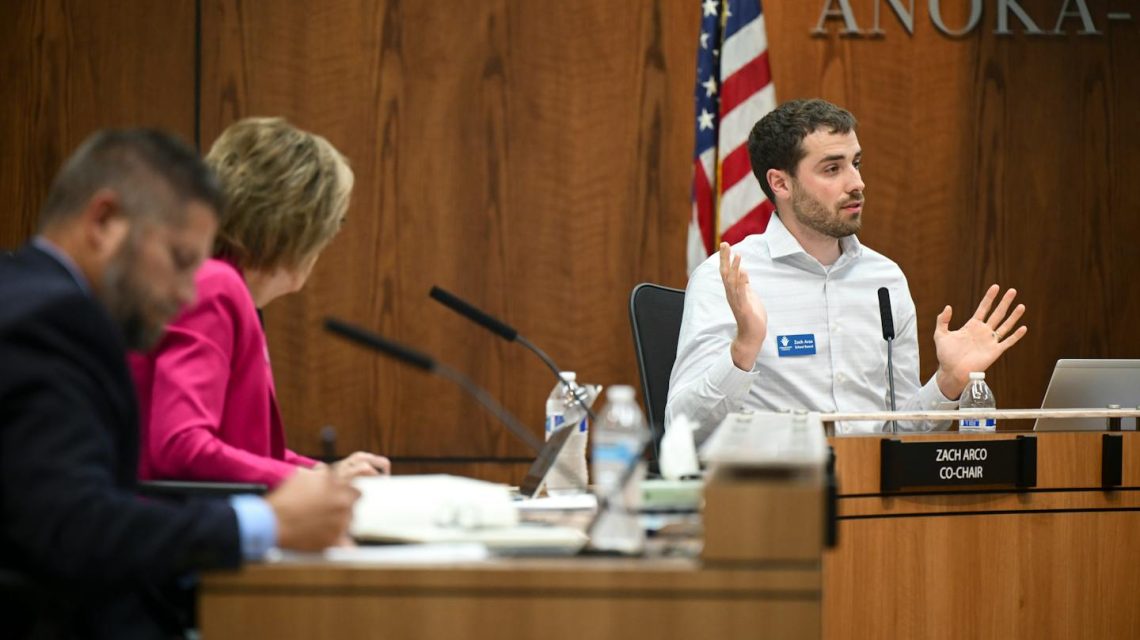
The Anoka-Hennepin School Board is at an impasse, leaving social studies teachers in Minnesota’s largest school district without guidance on implementing new state standards set to begin this fall. This situation stems from disagreement on ethnic studies requirements within the politically divided board, which has a history of disagreements over curriculum decisions.
A recent 3-3 vote halted proposals to pilot new curriculum materials for elementary and middle school social studies, as well as high school courses such as civics and economics. “There is not a pathway for teachers to know exactly what they’re supposed to do in the fall,” stated John Wolhaupter, president of the Anoka-Hennepin teachers union.
This dispute adds to a series of curriculum battles within this north metro school district. Earlier debates over social studies, psychology, and science materials drew criticism from teachers and union members, who accused some board members of micromanaging. Conservative board members argued they were exercising necessary oversight and responding to community concerns.
District officials state that the latest recommendations result from years of preparation, incorporating board feedback. A dedicated study committee has been working since 2022 to devise a plan for implementing Minnesota’s revised standards. Educators attended vendor fairs and community events to review materials and receive parent feedback before proposals reached the board.
Though teachers gained permission to draft pilot curricula by June 2024, the process has been suspended. “We got told that everything was put on pause,” said Champlin Park High School teacher Dave Evensen.
Teachers expressed frustration about unclear board member concerns. Board Member Zach Arco suggested the district should be “minimally compliant” with the new standards, especially ethnic studies requirements. This prompted objections from teachers like Evensen, who called the phrase vague.
Superintendent Cory McIntyre warned the board that time is running out, emphasizing the urgent need for new materials since existing resources don’t meet revised standards. Sarah Hunter, the executive director of secondary education, highlighted that teachers lack materials for over half the required standards.
Supporters argue the board’s role is not to challenge state standards already passed but to aid in their implementation. Board Member Kacy Deschene stressed that adoption or rejection of state standards is not their responsibility.
Arco opposed the introduction of ethnic studies, labeling them “political,” “divisive,” and “harmful.” He also stated that historical topics should focus on Western civilizations ending practices like slavery, considering this an “objective good.” However, Evensen argued that new standards require students to analyze multiple historical perspectives and develop higher-level thinking skills.
With a lack of approved materials, teachers are left uncertain about meeting state requirements and may need to use open-source materials. They have also not received clear guidance from the Minnesota Department of Education regarding accountability and enforcement.
Concern remains about whether teachers will have to spend additional time over the summer creating curricula. Wolhaupter emphasized the extensive work teachers have already dedicated to aligning with standards despite political obstacles from the board.
 Teaching Assistant in Los Angeles Arrested for Child Molestation
 Princeton Student Detained by U.S. Immigration After Conference
 Clarification of Policy on LGBTQ+ Discussions in Liverpool Central School District
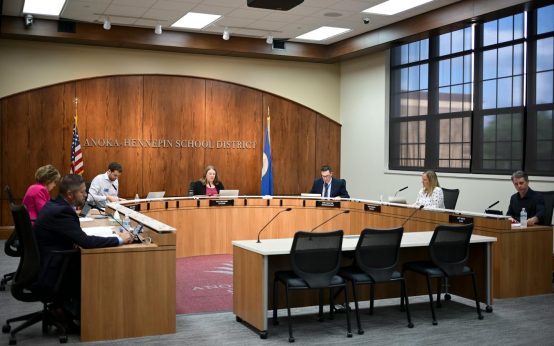 Anoka-Hennepin School Board Faces Decision on Social and Emotional Learning Curriculum
 Marine Veteran Faces Investigation Over JROTC Allegations
 Decline in NYC Public School Enrollment Sparks Concerns