
As of June 20, 2026, Iran announced its decision to close the Strait of Hormuz. This move came as a reaction to recent attacks by Israel on Lebanon, as reported by Iranian state media. The closure challenges a delicate ceasefire agreement aimed at facilitating peace discussions between Iran and the United States.
Iran’s military command made the announcement on Saturday, emphasizing that the decision was directly linked to the Israeli military actions. The Strait of Hormuz is a critical maritime route for global oil shipments, and the closure has significant implications for international trade.
While oil tankers, cargo carriers, commercial vessels, and traditional Omani fishing boats stayed anchored off Qaboos Port in Muscat, Oman, tensions in the region remained high. The decision underscores the volatility in the area, risking disruptions in not only regional but also global security and energy markets.
In another development, Pakistan stated that further discussions will occur on Sunday in Switzerland, indicating ongoing diplomatic efforts to address the situation. The outcome of these talks could influence future engagements in the region and potentially lead to a resolution of the current standoff.
 Himalayan Pilgrimage: A Couple’s Narrow Escape and Lingering Questions
  Former CEO Sentenced for Bank Fraud and Sanctions Evasion
  Russia’s Potential Incursion Into Estonia: NATO’s Resilience Under Scrutiny
  Senators Urge Action to Free Imprisoned Journalist in Iran
 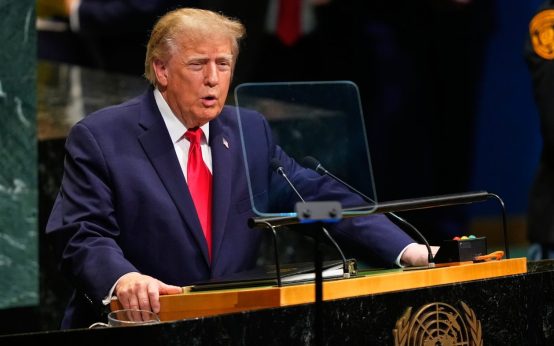 Trump’s Address at UNGA and Key Political Developments
  Irish Athletes Urge Boycott Against Israel