A federal judge has issued a ruling preventing President Trump from barring specific news organizations from covering events at the White House due to unfavorable coverage. This decision came after more than 70 journalists representing CNN, MS NOW, and Politico were denied entry. U.S. District Court Judge Timothy J. Kelly, appointed by Trump, emphasized that the decision violated the journalists’ First Amendment rights and due process, as protected by the U.S. Constitution.
The news outlets initiated the lawsuit after the administration denied them access, resulting in a temporary restraining order granted on September 24. Judge Kelly highlighted public statements and social media posts by Trump as evidence that the ban was intended to influence the media’s portrayal of him by restricting access to White House press credentials.
Judge Kelly’s opinion pointed out that the plaintiffs’ exclusion from the White House impeded their ability to report events firsthand and engage with government officials. Attorney Theodore J. Boutrous, representing the news organizations, emphasized that President Trump’s attempts to manipulate media coverage through such bans directly contravened fundamental freedoms.
Despite the ruling, the White House has not yet commented on these developments, nor has President Trump addressed the matter. The Justice Department’s arguments, citing national security concerns, were overturned by Kelly, who underscored that previous legal precedents must guide his conclusions.
Judge Kelly acknowledged that the White House’s actions could cause significant harm, noting that Trump’s demands for favorable coverage were unlawful retaliations. The White House had presented national security claims only after media credentials were revoked, adding that the outlets were not properly informed or allowed to contest the action in advance.
The judge refrained from addressing other instances where CNN’s journalists faced restrictive access, such as boarding Air Force One or entering limited-capacity areas like the Oval Office. CNN encountered further challenges when prevented from fulfilling its role in the video pool, which includes capturing presidential events on camera in partnership with other major networks.
The ban on press credentials energized broader challenges to media reporting. Trump’s administration has scrutinized various networks’ broadcast licenses and enforced withdrawal measures against non-cooperating media. A notable instance included blocking CNN from a flight aboard Air Force One.
Legal proceedings against other media entities continue, with the Justice Department investigating collaborative behaviors between major networks, including CNN, ABC, CBS, NBC, and Fox News, over possible antitrust violations.
These legal trends pinpoint broader tensions between the press and Trump’s administration, with lawsuits against numerous media companies accentuating these conflicts.
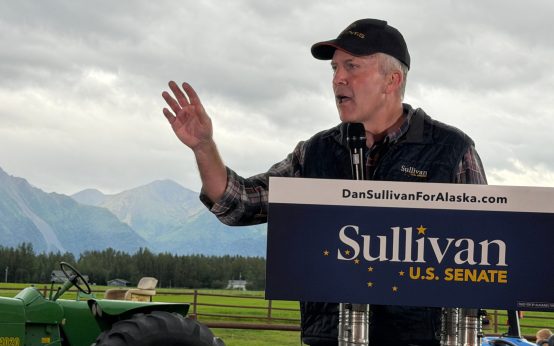 Trump’s Alaska Visit to Support Sen. Dan Sullivan Amid GOP Concerns
 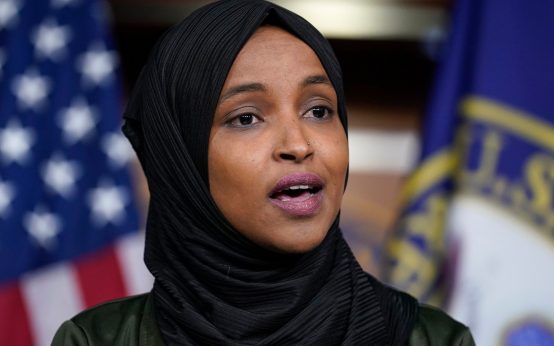 Ilhan Omar Faces Federal Investigation as Part of a Series of Probes on Democrats
 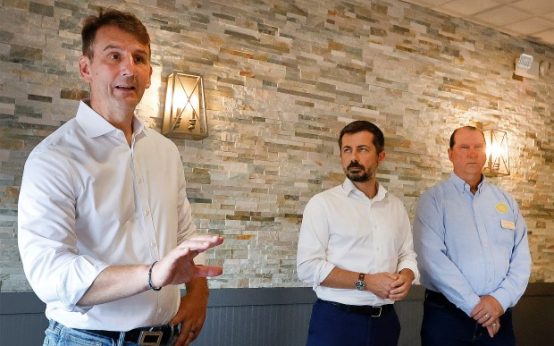 Pete Buttigieg Energizes Northwest Indiana Democrats
 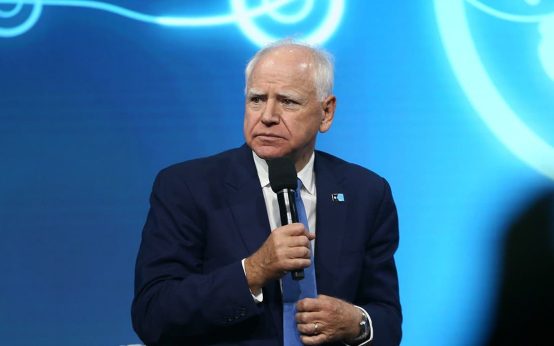 Minnesota Gov. Tim Walz Warns Democrats about Structural Change
 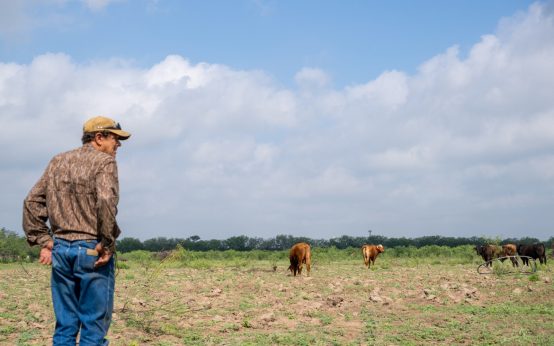 Rising Economic Pressures Threaten Republican Senate Control in Key Farm States
 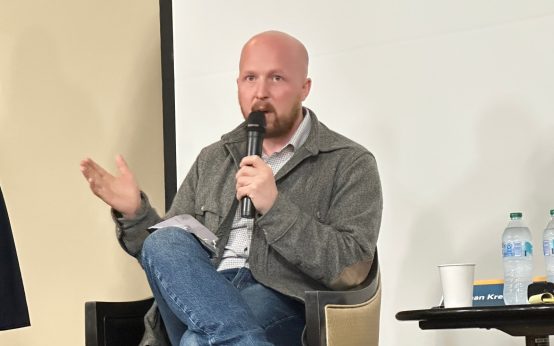 Alaska’s Political Shift and the Potential Rise of a Democratic Governor