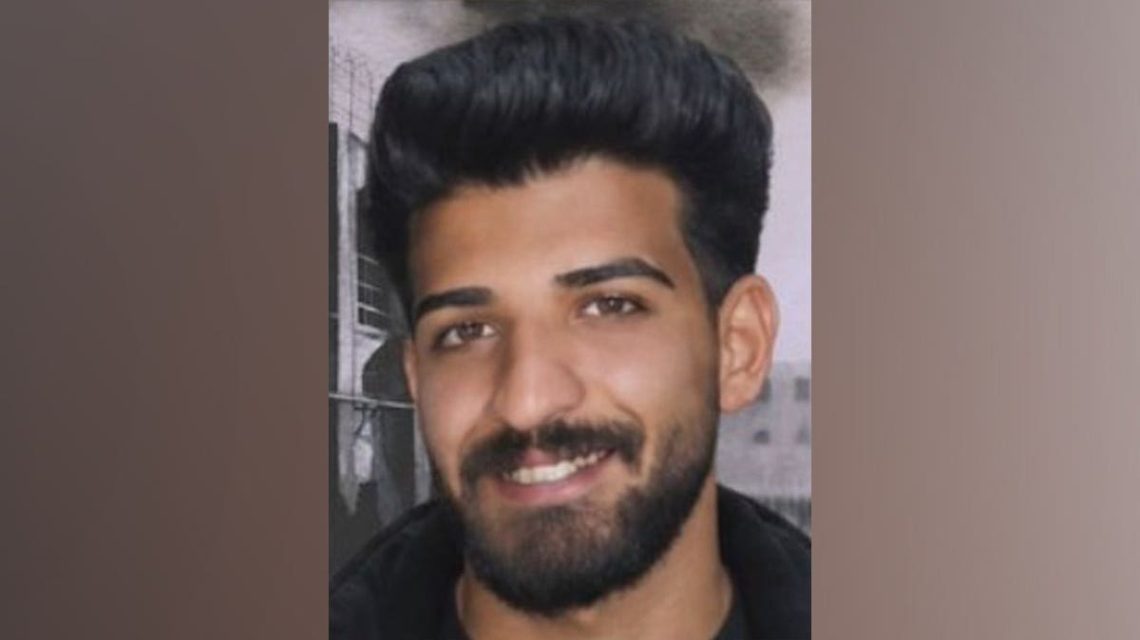
Iran executed two young men on Tuesday, Abolfazl Sepahi Badjani and Amirhossein Safari Hosseinabadi, for their alleged involvement in protests earlier this year. The executions took place in Isfahan’s Shahid Alikhani Square, a site reportedly tied to January’s anti-government demonstrations. According to reports by both the exiled opposition group National Council of Resistance of Iran (NCRI) and Iranian state media, security forces used tear gas to clear onlookers who voiced opposition to the hangings by chanting, “Dishonorable, dishonorable!”
The NCRI highlighted the presence of security personnel on rooftops and surrounding streets. State media also confirmed these public executions, noting that they occurred in front of local onlookers.
“Fearing public outrage over this brutal crime, the regime’s suppressive forces had deployed agents in the surrounding streets and on rooftops,” Maryam Rajavi, NCRI President-elect, stated in a statement shared on X.
The Iranian judiciary accused the two men of crimes under severe charges like ‘enmity against God’ and ‘corruption on Earth.’ The judiciary claimed these allegations were supported by police reports, cell phone evidence, witness testimonies, confessions, and crime scene reconstructions. However, NCRI argued that the two did not have fair legal proceedings, alleging denial of access to lawyers and case files.
The public hangings fuel an ongoing crackdown on protests that began in late December, challenging the Islamic Republic amidst an economic crisis. As the crackdown continues, a broader human rights outcry has intensified.
Human rights organizations criticize the executions, citing coerced confessions and questionable trials. The trials were reportedly closed-door and lacked clarity regarding individual culpability, raising concerns about adherence to international fair trial standards.
“By resorting once again to the medieval practice of public hangings, the Islamic Republic is trying to instill fear throughout society and deter future protests,” Iran Human Rights Director Mahmood Amiry-Moghaddam said on X, calling public executions a form of state terrorism.
These recent executions, along with two others in July, relate to what has been described as the Alikhani Square case, in which a total of 12 protesters face death sentences. The remaining defendants still risk execution, warned U.N. experts, as calls for their international protection continue.
The anti-government protests started as a response to worsening economic conditions and evolved into one of Iran’s largest movements challenging the current regime. Over the past few months, at least 50 people have been executed on national security-related charges, according to Human Rights Watch.
 Alan Ritchson Faces Backlash Over Political Remarks
  Himalayan Pilgrimage: A Couple’s Narrow Escape and Lingering Questions
  Former CEO Sentenced for Bank Fraud and Sanctions Evasion
  Russia’s Potential Incursion Into Estonia: NATO’s Resilience Under Scrutiny
  Senators Urge Action to Free Imprisoned Journalist in Iran
  Trump’s Address at UNGA and Key Political Developments