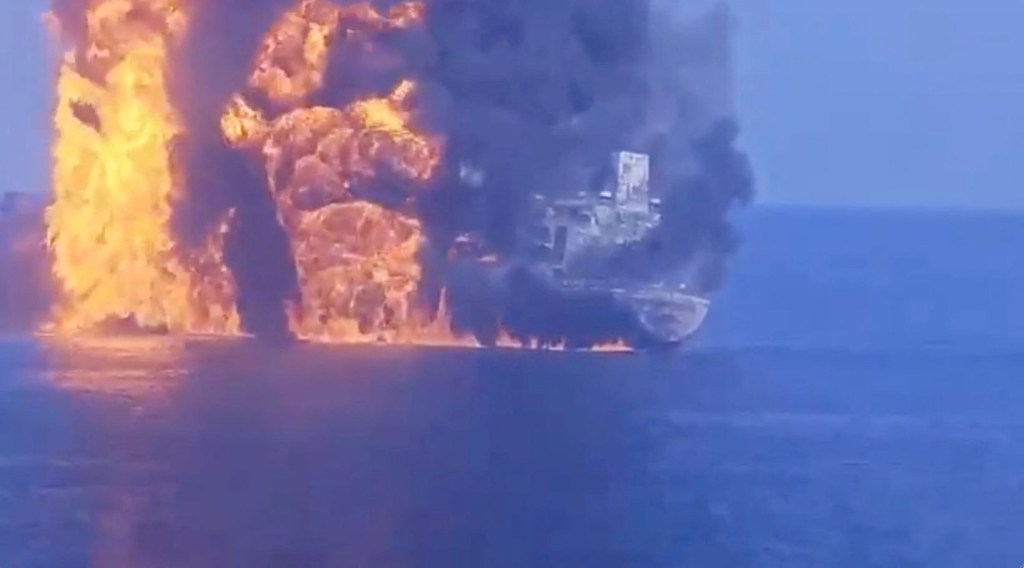
The situation in the Middle East is intensifying as Iran escalates its attacks to assert control over the Strait of Hormuz. This strategic move aims to pressure the United States into action, potentially leading to the end of ongoing conflicts. Reports indicate that Iran is targeting oil tankers; approximately 8 million barrels of oil continue to pass through the strait daily under US naval escort.
In recent days, the United Kingdom Maritime Trade Operations confirmed six attacks on tankers, with Iran claiming even more. These strikes are the most aggressive since the beginning of the conflict. Visual evidence shows a tanker burning in the Strait following an Iranian attack, and smoke rising from another strike. Tehran has warned ships to avoid crossing these waters without permission from Iran.
Iran remains firm on its intentions to maintain influence over this oil conduit. The country has specifically targeted the most active ships to disrupt their operations. Additionally, Iran launched attacks on US bases in Bahrain and Kuwait, a move indicating an escalation from the existing cold conflict.
Former President Trump has shown a preference for maintaining economic pressure on Iran without escalating to open warfare. However, Iran feels time-constrained, unable to endure ongoing economic challenges indefinitely. Hamidreza Azizi, a senior Iran analyst, noted that both Iran and the US have differing views on the costs of prolonging this confrontation.
With the Supreme Leader Mojtaba Khamenei missing, his directive for ending the standoff has become clearer through the actions of Iranian officials. Lead negotiator Mohammad Bagher Ghalibaf expressed this stance in parliament, signaling a readiness to move beyond the current state of ‘neither war nor peace.’
Iran’s recent attacks serve dual purposes: demonstrating readiness for renewed conflict and signaling to US allies of Iran’s rearmed capabilities. Kristian Coates Ulrichsen of Rice University comments that these actions remind Gulf states of their vulnerabilities due to US actions in the Strait of Hormuz.
The escalating tensions suggest that the US, despite its military presence, does not exclusively control the potential for escalation in the region. Iran’s actions indicate that it is prepared for a broader confrontation if necessary.
 Highlights from Recent News Stories
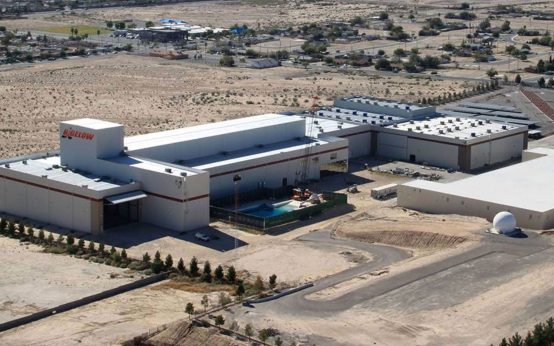 Pentagon Releases Declassified UFO Files with Intriguing Plans and Reports
 Sinaloa Violence Erupts After Capture of Cartel Leader
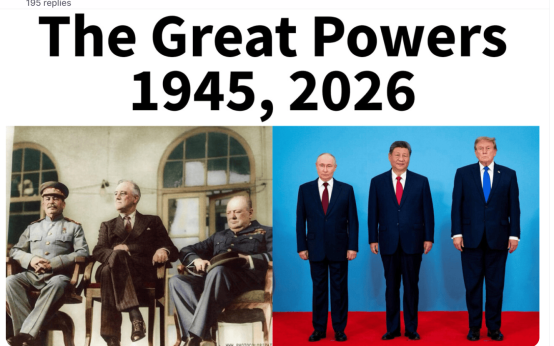 Trump, Xi, and Putin’s Shenzhen Meeting Echoes Historic Yalta Conference
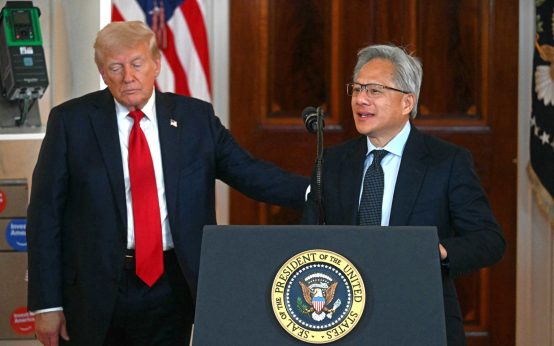 Trump Urges Nvidia to Reinstate Huang Amid Controversy
 Canada and China Strengthen Trade Relations Amid U.S. Tensions