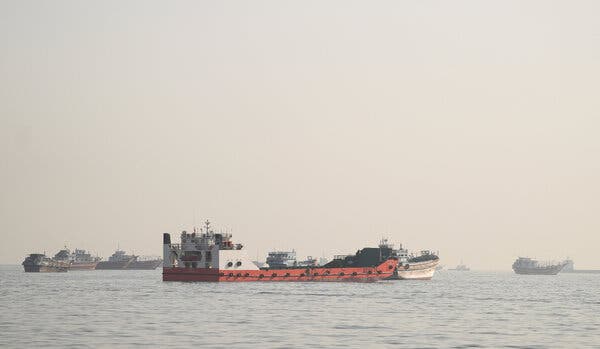
Iran has announced its intention to charge fees for services provided in the Strait of Hormuz, despite international law prohibiting tolls in this waterway. President Trump previously declared the strait would remain ‘permanently toll-free,’ but Iran’s foreign ministry clarified fees would apply for unspecified services.
The Strait of Hormuz is critical for global energy passage, yet charging for passage was unnecessary before the U.S.-Israeli conflict with Iran. Now, the prospect of fees introduces financial burdens and could set a troubling precedent for international shipping norms.
Esmaeil Baghaei, Iran’s foreign ministry spokesman, stressed that while Iran is not imposing transit tolls, it will levy charges for provided services. However, details on the services remain vague, though Iranian officials have suggested possible environmental fees.
Experts in maritime law emphasize legal distinctions between tolls—which are payments for passage—and fees for services like waste management at ports. Services can justify fees in specific circumstances, but calling it a fee does not make a toll system permissible.
The idea to charge ships arose after retaliatory actions by Iran following U.S. and Israeli military strikes in February. By March, Iran announced plans to charge for passage, creating the Persian Gulf Strait Authority in May to oversee ‘safe passage permits.’
Discussions between Iran and Oman have been ongoing regarding a fee-based payment system for services offered to ships navigating through the strait.
 New U.S. Military Bases Planned in Greenland Amid Strategic Security Deal
  Twitch Streamer Hasan Piker Discusses Controversial Commentary
  A Shifting Political Landscape: The Decline of Autocratic Power
  Trump Delivers Warning to Iran, Cuba at UN General Assembly
 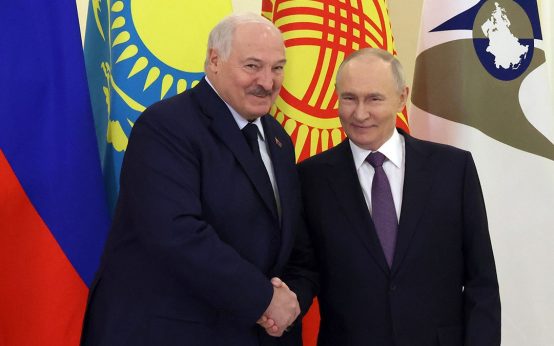 Lukashenko and Putin’s Unique Relationship and Belarus’ Strategic Role
  Alan Ritchson Faces Backlash Over Political Remarks