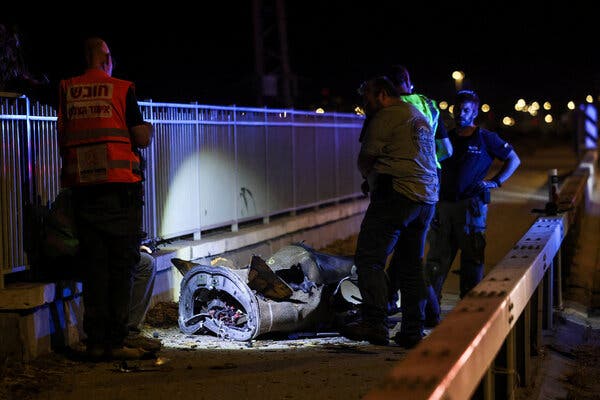
Tehran’s response to Israeli attacks in Lebanon highlights Iran’s determination to support its regional allies and counter efforts to change the power dynamics in the region.
Tehran’s Stand on Regional Conflict
Tehran’s retaliation might appear as a risky move that could reignite a major regional conflict. Iran sees this risk as necessary to oppose what it views as Israel’s attempt to alter the regional balance of power. Meanwhile, Iran and the United States are engaged in negotiations to resolve the ongoing conflict.
Failure to respond would signal weakness,said Ali Vaez, a senior Iran analyst at the International Crisis Group.
Iranian officials have voiced criticism over Israeli strikes on Hezbollah, their key ally in Lebanon. Iran had previously warned that any expansion of Israeli strikes beyond southern Lebanon would lead to a change in response.
Shift in Iranian Strategy
Initially, Iran tolerated the limited strikes on southern Lebanon, but it warned against any Israeli aggression extending to areas near Beirut, where Hezbollah holds significant influence.
Iran’s attack in defense of Lebanon was not merely a military response; it was the formal declaration of a strategic doctrine,stated Sadegh Larijani, chairman of Iran’s Expediency Council, an advisory body to Iran’s supreme leader.
This response marks a decisive shift from mere verbal warnings to tangible military action, underscoring Iran’s strategic intentions in defending its allies.
 Federal Appeals Court Decision Against Trump’s ‘Third-Country’ Deportation Policy
  Ed Sheeran’s Philadelphia Concert Amid Controversy
 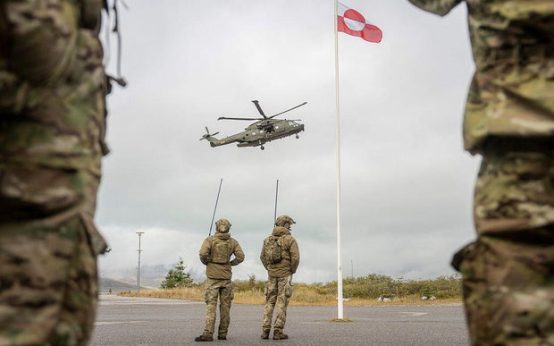 U.S. Secures Strategic Control Over Greenland
  U.S. Security Agreement in Greenland Sparks Optimism and Concerns
 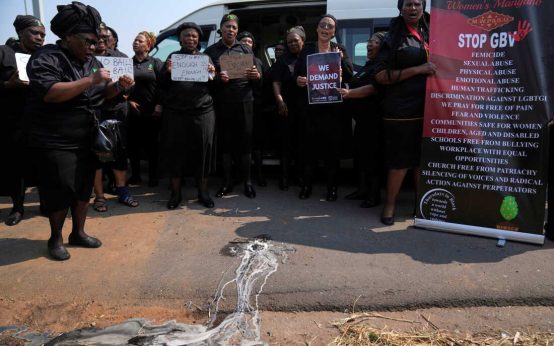 Impact of Gender-Based Violence in South Africa
 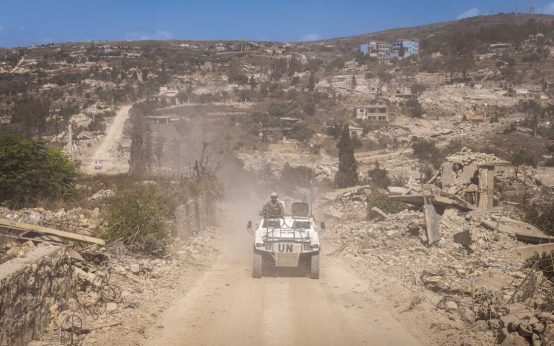 UNIFIL Operations in Southern Lebanon Amidst Ceasefire Challenges