Tehran’s Strategic Position
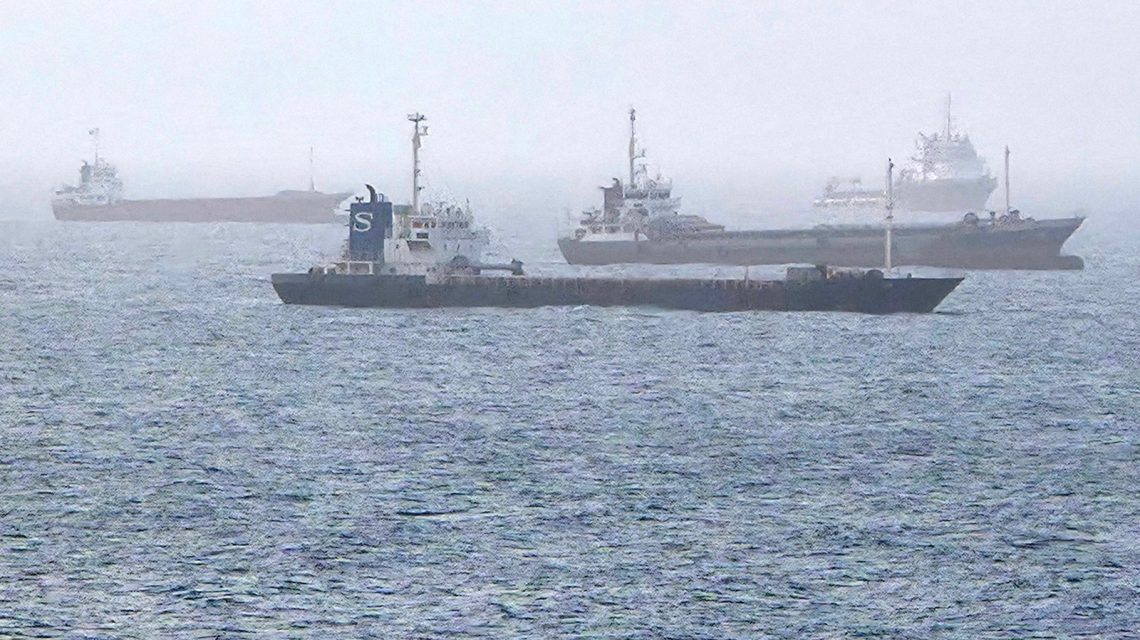
Iran’s recent demands concerning the reopening of the Strait of Hormuz suggest a belief that Tehran holds an advantageous position against the United States. Former Defense Secretary Mark Esper expressed this view, as negotiations over this critical shipping artery reach a pivotal stage.
These comments from Esper follow Iranian statements about an impending deal with Oman over new shipping arrangements. However, Iran maintains that full reopening remains contingent on Washington meeting specific conditions, such as compensation and lifting sanctions.
Esper criticized these demands. “They’ve put forward demands of the United States, which frankly are ridiculous and should be rejected out of hand,” he stated on ABC’s This Week.
Importance of the Strait of Hormuz
The Strait of Hormuz is a vital corridor, facilitating approximately 20% of global oil shipments. Its significance has placed it at the heart of conflicts involving Iran, the United States, and allies. Iranian Foreign Minister Abbas Araghchi recently announced that an agreement with Oman is nearing conclusion. He reiterated, though, that the waterway will remain restricted until the U.S. meets Iran’s broader conditions.
Tehran’s demands include compensation for damages, the removal of sanctions, and assurances against further conflicts. Mohammad Bagher Zolghadr, a key security official, insisted that these demands reflect Iran’s national interest, stating that they “will not back down either in war or in negotiations.”
Esper’s Perspective on Iran’s Confidence
Esper interpreted Tehran’s stance as a demonstration of confidence rather than willingness to compromise. He noted that Iran’s demands include an end to U.S. military actions, lifting sanctions, and ceasing the U.S. naval blockade.
“They’ve gone beyond what is acceptable,” Esper noted, indicating that Iran perceives itself as holding the upper hand, feeling emboldened by its strategic leverage over the strait.
Iran anticipates that its control over the strait may press the U.S. into concessions. Joshua Tallis, a former senior U.S. Navy official, pointed out that Iranian strikes could disrupt global trade significantly, affecting shipping lines, insurance, and seafaring safety.
Contrasting Views: Trump vs. Iran’s Strategy
The Trump administration has publicly noted progress in negotiations, but Tehran’s extensive list of demands presents a stark contrast. Vice President JD Vance recently highlighted Iran’s severe economic difficulties. Yet, Trump remains optimistic about reaching an agreement.
Esper acknowledged Iran’s economic struggles but emphasized its strong military leadership. “They’re under economic pressure,” according to Esper. “Yet, they’re in control, driving decisions.” He advocated for an economic blockade with support from allies in Europe and Asia.
Regional Attacks and Rising Tensions
Recent regional attacks underscore broader concerns about conflict escalation. Esper cited attacks by Houthis on Saudi refineries and an accusation against Iran for targeting a UAE ship. These events worry global markets about energy security and regional stability.
Future Directions in Negotiations
The focus now centers on whether Iran and Oman will finalize their shipping agreement. Tehran’s demands could shape broader understandings with Washington, impacting commercial traffic through the strait.
Analysts argue that any agreement granting Iran a formal management role in the strait would bolster its regional standing. The outcome of these negotiations over this crucial waterway may soon become clearer.
 Secretary of State Rubio Comments on Recent UK Terror Threat
  New Developments in Ayotzinapa Case: 17 New Suspects Identified
  Concerns Arise Over Rodrigues-Birkett in Race for UN Secretary-General
  Turkey’s Strategic Moves in a Changing Middle East
  Google Earth Images Reveal Destruction in Gaza
  Sudan Defies U.S. Ceasefire Amid Visa Dispute