Election Misinformation Concerns
Benjamin Netanyahu, the Israeli Prime Minister, posted several controversial messages on his X account, sparking criticism for anti-Arab and misleading content. In one instance, a post showed a line of people in hijabs outside a polling station in Sakhin, Israel, alongside a caption urging voters to prevent higher Arab voter turnout. Disinformation expert Achiya Schatz highlighted that the image might be AI-generated, adding to misinformation concerns. NBC News could not verify the photo’s authenticity. In another post, a picture depicted women in black niqabs, causing further uproar.
Netanyahu shared these images several times, pushing for votes for Likud. His account also featured AI-generated clips, including one showing Iran’s Supreme Leader in a hospital bed, with alarmist messages predicting Iran’s downfall. Schatz stated that Netanyahu’s messaging implied election fraud, targeting Arab voters.
Opposition Responses and Election Results
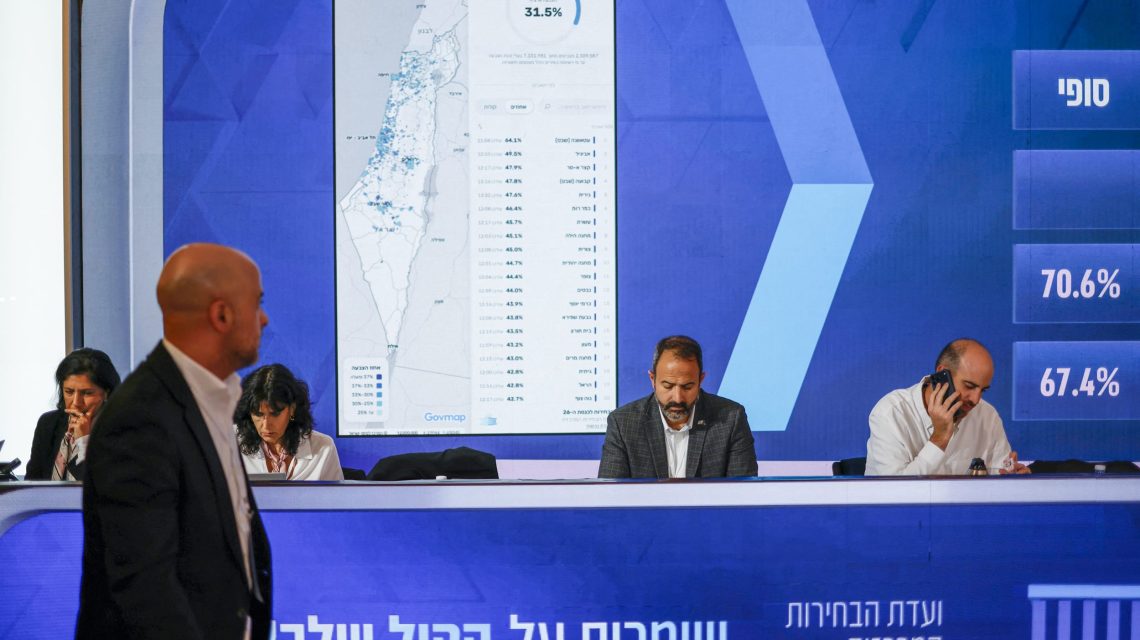
Yair Golan, the Democrats party leader, declared that Israeli voters had dismissed Netanyahu’s government. Golan rallied for a government of change, recognizing public dedication against Netanyahu’s leadership. Preliminary election results showed Netanyahu’s Likud receiving 26.50% of votes, trailing behind Eisenkot’s bloc with 19.32%.
The Joint List, representing Arab parties, celebrated high voter turnout among Palestinian citizens, hoping to influence the government’s formation. Eisenkot, a main opponent, ruled out forming a coalition with Arab parties, complicating his path to a majority.
Voter Participation and Election Significance
Turnout reached 77.7%, marking the highest since 1999. Approximately 5.7 million voters participated, an increase from the 2022 election. Political analyst Dahlia Scheindlin noted intense voter engagement, with significant participation from Arab communities, reflecting dissatisfaction with current governance.
The Knesset has 120 seats, requiring a minimum of 61 for a coalition. The election’s outcome remains provisional until official results are finalized within eight days. Meanwhile, the attempt to form a government could prolong, with complex coalition negotiations ahead.
Movements and Media Attention
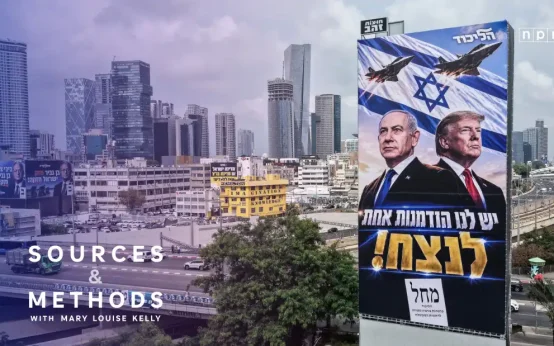
Netanyahu leveraged his relationship with former U.S. President Donald Trump, portrayed in campaign material as a strategic advantage. Not all Israelis viewed this positively, with some opposing foreign influence in national politics.
Gadi Eisenkot’s notable stance against Netanyahu focuses on independent investigations into failures during the recent attacks, positioning himself as a governance alternative.
This election, coming after the attacks on October 7, remains a pivotal moment in Israeli politics, shaking the long-standing image of Netanyahu as a security leader.
 Pope Leo XIV’s Historic Participation in Illinois Election
 Israel’s Electoral Deadlock: Implications for Netanyahu and International Relations
 Tensions Rise Between DOJ and California Over Voter Rolls
 U.S. Engagement with Iran: Vice President’s Offer
 Insights from Statewide Races and Electoral Issues
 Controversy Arises in Alaska’s Senate Race Over Duplicate Candidate Names