Japan’s Imperial Family Succession Changes
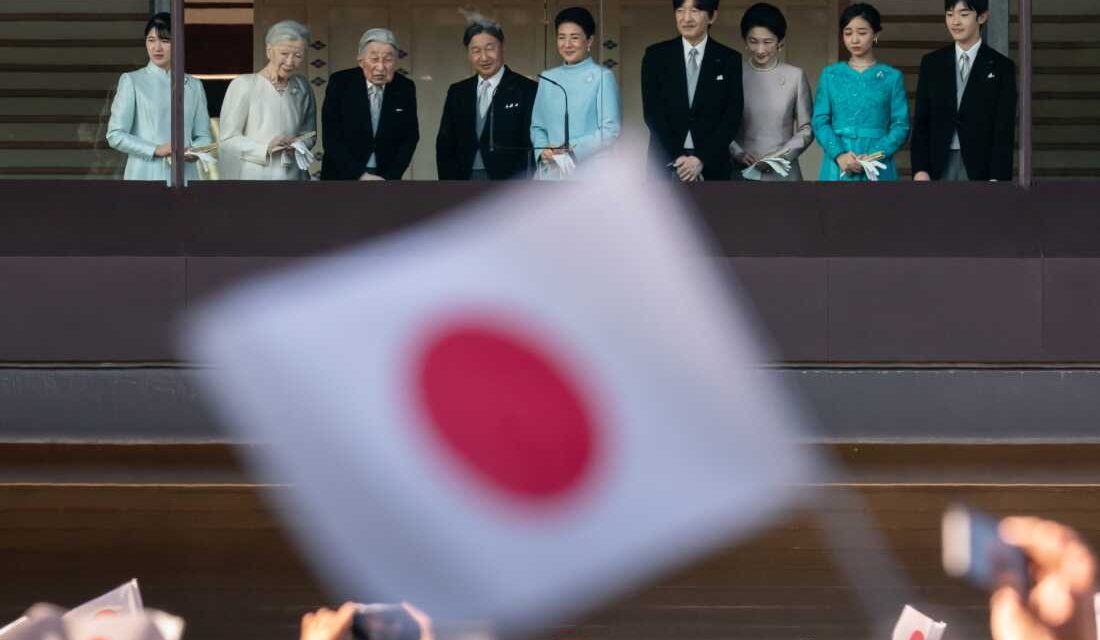
Japan’s parliament has passed contentious revisions to the law governing succession in the world’s oldest hereditary monarchy. This followed a previous vote by the lower house days earlier. These changes aim to ensure a sufficient number of imperial family members to uphold their roles, amidst dwindling numbers and aging members.
Criticism of the Revisions
The revisions also appear to prevent the emergence of a female emperor, according to Seiichiro Noboru, a former Japanese diplomat with ties to the imperial family. Noboru argues this objective is clear amid ongoing debate about gender equality in imperial successions. Public support for Japan’s constitutional monarchy is important as Japan increases its military presence and seeks to be a stable international player.
Key Amendments
The revisions allow princesses to stay within the imperial family even after marrying commoners. It also permits adoption of male-line descendants from former branches of the imperial family. However, married princesses will perform royal duties without any chance of succession. Similarly, adopted male children—originally born as commoners—will not inherit the throne, yet their future male offspring could be eligible.
The imperial family currently relies on the young heir, 19-year-old Prince Hisahito, who is the nephew of 66-year-old Emperor Naruhito. There is public anxiety about the family’s future.
According to Noboru, recognizing a female emperor would eliminate the need for complex adoption strategies, marking a pivotal point in public discussions.
Popularity of Princess Aiko
Princess Aiko, Emperor Naruhito’s 24-year-old daughter, plays a role in driving reform support. She holds a degree in Japanese literature and works with the Japanese Red Cross Society. Her public appearances attract enthusiastic crowds. Noboru suggests Princess Aiko’s popularity influences public support for female emperors, with polls indicating 60% to 90% favorability.
Historical Male-Only Succession Framework
Japan’s first female Prime Minister, Sanae Takaichi, holds a differing view due to historic precedent. She emphasizes the importance of the male line, which has persisted for 126 generations. Eight female emperors have existed over twelve centuries, all from the male line—similar to Princess Aiko.
This male-only succession norm took root in 1889 with the first Imperial Household Law, implemented by the Meiji government. The government viewed emperors as military commanders and semi-divine patriarchs of the state, relegating married women under restrictive civil codes.
High infertility rates necessitated successors from concubines, with nearly half of Japan’s emperors born as such, which a 2005 report characterized as “of illegitimate descent.” Noboru contends that today’s exclusion of women from succession violates constitutional protections against gender discrimination. Article 1 of the Japanese Constitution requires that the emperor’s authority reflect the will of the people.
Current Monarch’s Perspective
While the emperor remains apolitical, he engaged carefully on this topic, expressing hopes that the public would understand the discussions about maintaining adequate family numbers. This cautious involvement aligns with the constitutional principle of public sovereignty.
 U.N. General Assembly Set to Host Key Diplomatic Moment
  Suspects in Haitian President’s Assassination Await Extradition to U.S.
  Ambassador Avoids Timeline on Prolonged Iran Conflict
  Controversy Surrounds Children’s YouTube Star and Journalist’s Revelations
  German Chancellor Friedrich Merz Faces Challenges After Election Losses
  Trump’s Approach to Iran at the United Nations