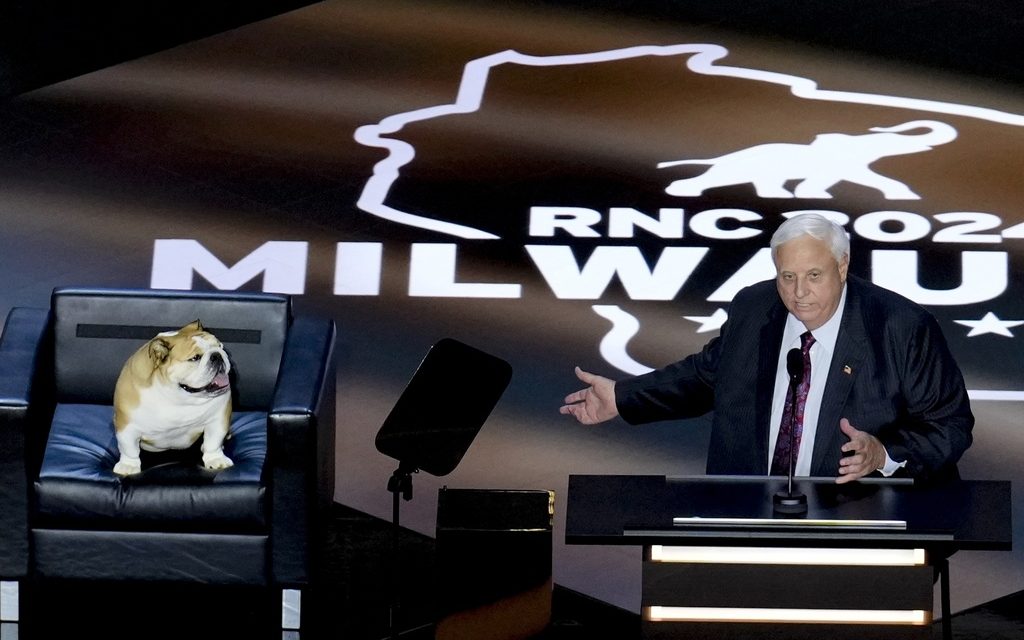
In 2017, a significant moment arose when West Virginia’s legislature passed a bill intended to terminate greyhound racing. Despite this progress, Gov. Jim Justice’s veto kept the tracks open and continued funding the industry with $19 million annually, money that could improve state infrastructure or healthcare.
Theresa Bruner, president of the Federation of Humane Organizations of West Virginia, recounts her decades-long advocacy for animal welfare. The group’s mission, unchanged since its founding in 1994, has consistently been to champion the rights and well-being of animals across the state. The 2017 veto halted progress in ending a practice that breeds thousands of dogs yearly, many of whom suffer injuries or face euthanasia when no longer profitable.
Since that veto, 4,000 injuries have occurred on West Virginia tracks, with 1,367 broken bones and 84 fatalities among the greyhound population. Stories like that of GF St Barts, a greyhound fatally injured in 2022, highlight the ongoing cost of the sport.
Nearing a decade since the initial effort, another attempt to ban racing is making its way through Congress. This time, Sen. Jim Justice, now a member of the Senate Agriculture Committee, can cast a crucial vote.
The story has a personal twist due to Babydog, Justice’s pet, who has become a symbol in West Virginia. Babydog gained fame as a mascot during the $23 million COVID-19 vaccine sweepstakes in 2021 and has since been a staple in Justice’s public appearances.
Despite Babydog’s celebrity status, Bruner emphasizes the clear distinction between political symbolism and legislative action. In 2021, many residents responded to Justice’s plea for vaccinations, motivated by Babydog’s involvement. Now, there exists a similar opportunity to shift policy for the betterment of greyhounds.
A recent poll shows 65% of voters in favor of the Greyhound Protection Act, a measure that could finally halt a practice 44 other states have already banned. Additionally, a study by Ball State University highlights the lack of economic benefits linked to greyhound racing. These races yield no lasting employment gains and contribute nothing to GDP, with survival assured only through state subsidies.
Bruner sees this as more than a political vote. It’s a chance for Justice to redeem past decisions and support a change that aligns with public interest and animal welfare. As West Virginians express readiness to move on, the decision before Justice reflects more than policy; it reflects empathy for companion animals like his own Babydog. The choice could symbolize progress for a state ready to embrace change.
 Ohio Congressional Candidate’s Reelection Amid Allegations
 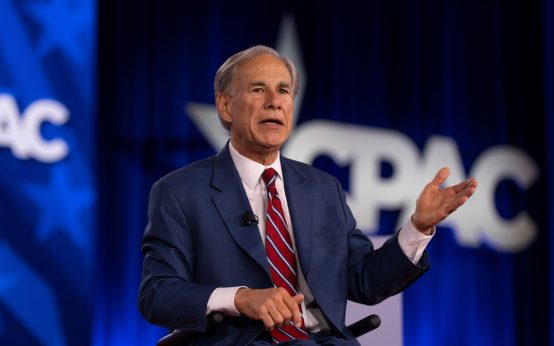 Texas Governor Abbott Leads in Polls Amid Gubernatorial Race Against Hinojosa
  Poll Discrepancies in Michigan’s Democratic Primary
  Fauci Faces Possible Criminal Charges Amid Senate Committee Vote
  Congress Faces Social Security Challenge
 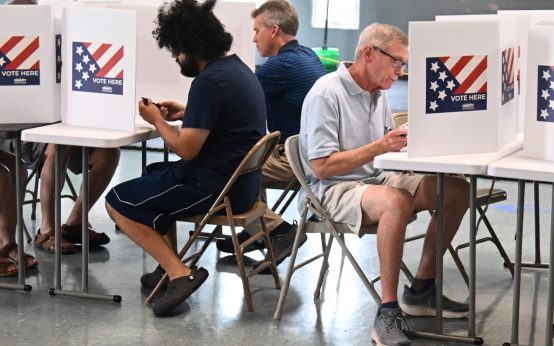 Missouri Voters Reject Income Tax Elimination