FIFA sought a centrally located U.S. city with good transit, ample hotels, passionate soccer fans, and a stadium fit for the NFL. Chicago seemed a perfect match but opted out, leading Kansas City to step into the limelight for the Midwest.
Despite some past criticism of Chicago’s decision, Kansas City expressed no regrets about seizing the chance that Chicago passed up. At the recent IPW international travel conference, Kansas City enthusiastically promoted the upcoming event set to make global headlines this summer.
Devin Aaron, spokesman for Visit KC, shared, “The city’s ready. This is the biggest event Kansas City has ever hosted, and we aim to excel.” Kansas City presented itself as America’s hub for soccer enthusiasm, a pitch that has successfully attracted several national teams.
Teams from England, Argentina, the Netherlands, and Algeria, all boasting star players, chose Kansas City as their base camp, preferring it over larger cities. These bases include training facilities and secure hotels, putting Kansas City in the global spotlight.
Kansas City plans to host a free viewing festival, hoping it becomes one of the tournament’s standout experiences. Competing host cities like New York need to challenge what some may dismiss as Kansas City’s smaller-town status. Despite limitations, Kansas City has invested heavily in soccer facilities.
Nearly 200 additional buses will operate to counter limited public transit options. Some hotels raised room rates sharply, only to see visitors book in surrounding areas. Ticket prices are high, though some resale tickets are cheaper. Federal funding has been allocated for security and transit improvements in host cities but remains modest.
One major concern involves travel policies from President Trump’s administration, posing challenges for foreign fans visiting the U.S. Strict visa policies could deter soccer fans, with the U.S. Customs and Border Protection proposing extensive background checks.
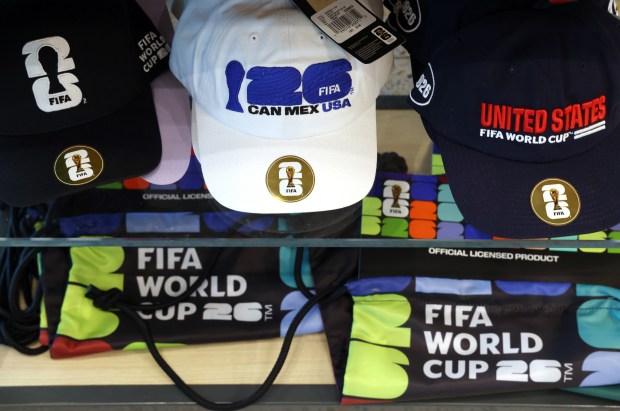
The president’s travel bans target countries in Africa and the Middle East known for their soccer fervor. Merchandise is displayed at Kansas City’s airport ahead of the 2026 World Cup. During the IPW conference, Nick Adams, a presidential envoy, dismissed concerns as “nonsense” and stressed compliance with laws.
Since Trump’s second term, foreign travel to the U.S. has declined, with a notable drop from Canada. The president’s comments in trade issues have impacted Canadian travel, causing a 22% decrease last year. Geoff Freeman of the U.S. Travel Association acknowledged the need to regain trust and assure visitors of a welcoming environment.
Kansas City remains open to international soccer fans and hopes Chicago’s soccer enthusiasts, with their new stadium plans, will enjoy the games even if they must travel for them. To share insights or comments, submit a letter to the editor or email the Chicago Tribune.
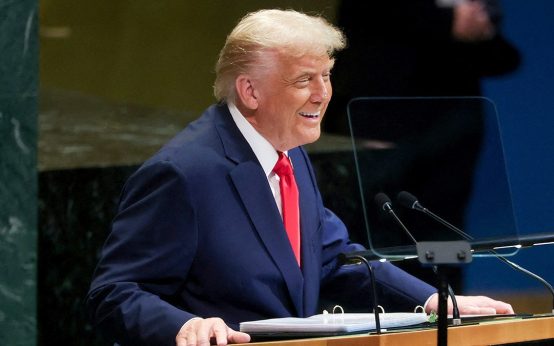 Trump’s Vision on Iran, AI, and Global Security at the UN
 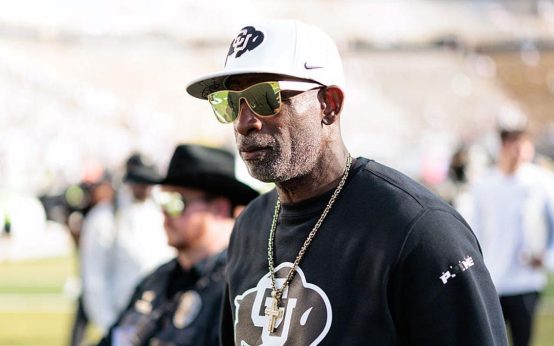 Deion Sanders Enforces Discipline After Colorado’s Defeat to Northwestern
 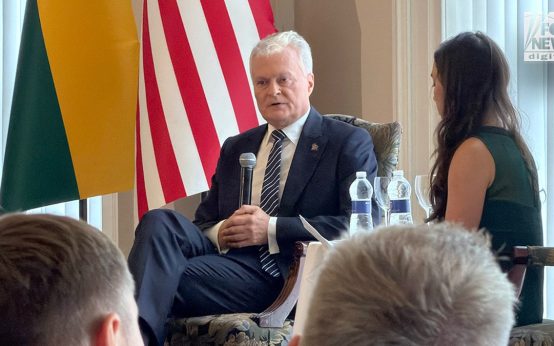 Lithuanian Leader Seeks U.S. Military Commitment Amid Rising Russian Threats
 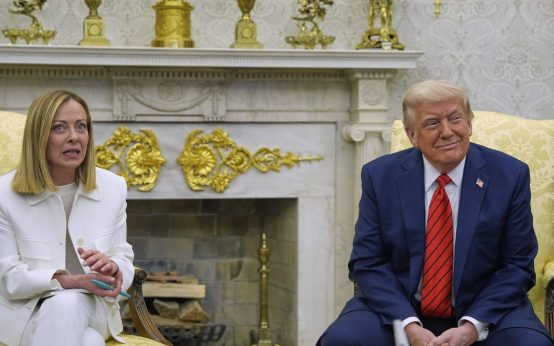 Italian PM Giorgia Meloni Skips UN General Assembly Amid Growing Tensions
  Steve Lotysz: From Medinah’s Gates to Presidents Cup Artistry
 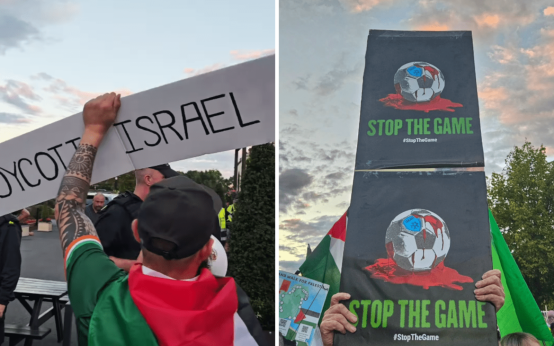 Calls Grow for Ireland’s Soccer Team to Boycott Matches Against Israel