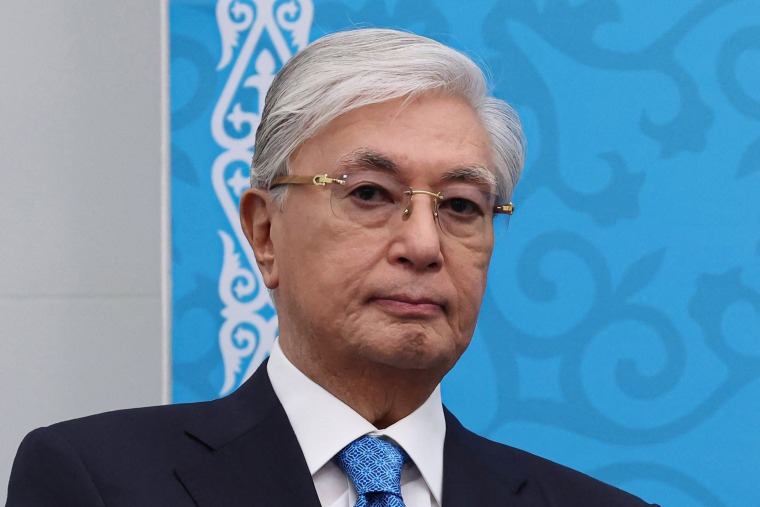
Kazakhstan held a parliamentary election on Sunday, poised to reinforce President Kassym-Jomart Tokayev’s dominance in the nation. The Adilet party, supportive of Tokayev, is predicted to secure a vast majority. Several smaller parties favoring Tokayev are also expected to enter the new, single-chamber parliament known as the Kurultai.
Since 2019, Tokayev, who has a background in Soviet administration and Kazakh diplomacy, has served as president. Sunday’s election marks the culmination of constitutional reforms he suggested in March. An overwhelming 87% of voters backed a referendum to merge parliament’s two chambers and empower the president to appoint key officials, subject to parliamentary approval. This includes reinstating the vice presidency.
Amid the geopolitical impact of the war in Ukraine, Tokayev aims to balance relations between Moscow and the West. He justifies these constitutional changes as essential for swift decision-making in an ever-evolving world. Last month, Kazakhstan’s Constitutional Court endorsed amendments that reset Tokayev’s term count, enabling him to pursue another seven-year presidency.
Facing current economic hurdles, Kazakhstan’s inflation reached 10.2% in February. Tax increases have fueled public dissatisfaction. Analysts suggest that economic pressures heighten concerns about a repeat of the January 2022 unrest. Fuel price protests that month escalated into violence, resulting in deaths among protestors and police. Tokayev aims to prevent such scenarios by consolidating power.
Labeling this election as a ‘truly historic event,’ Tokayev expressed confidence in Kazakhstan’s strategic transformation into a developed state amidst global challenges. These remarks came in the context of tightening controls on media freedom. Specific criminal charges target journalists, leading various media organizations to urge Tokayev to uphold media freedom.
Most recently, independent journalist Lukpan Akhmedyarov faces potential imprisonment. Accused of spreading false information, he risks up to seven years in prison after listing Kazakhstani fighters in Ukraine. Conducting his journalism through the YouTube project ‘Prosto Zhurnalistika,’ Akhmedyarov claims that repression against independent media has surged during the election period.
Akhmedyarov observed a heavy presence of Adilet party advertisements across major cities, indicating a predictable election result. He argued that authorities attempted to suppress all dissenting media voices lacking agreement or financial alignment with them.
 Challenges Facing the Supreme Court’s Public Perception
 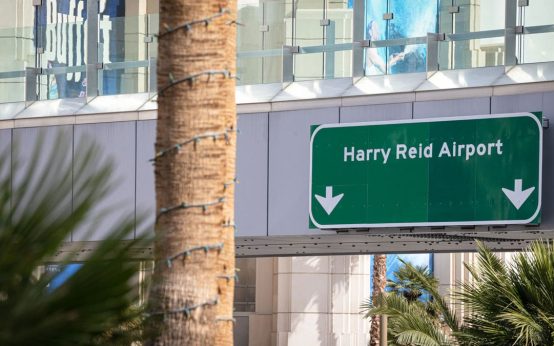 California Democratic Aide Arrested for Visa Overstay by Federal Authorities
 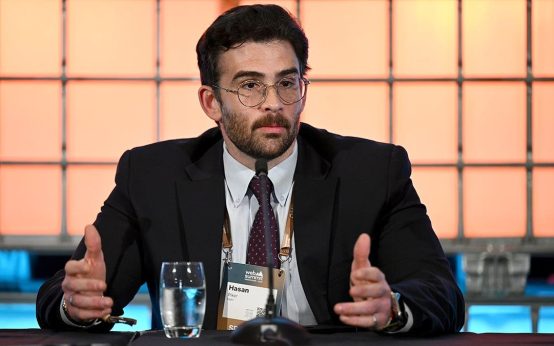 Twitch Streamer Hasan Piker Discusses Controversial Commentary
  Experts Doubt Export Ban Will Lower Fuel Prices
  A Shifting Political Landscape: The Decline of Autocratic Power
  Trump Delivers Warning to Iran, Cuba at UN General Assembly