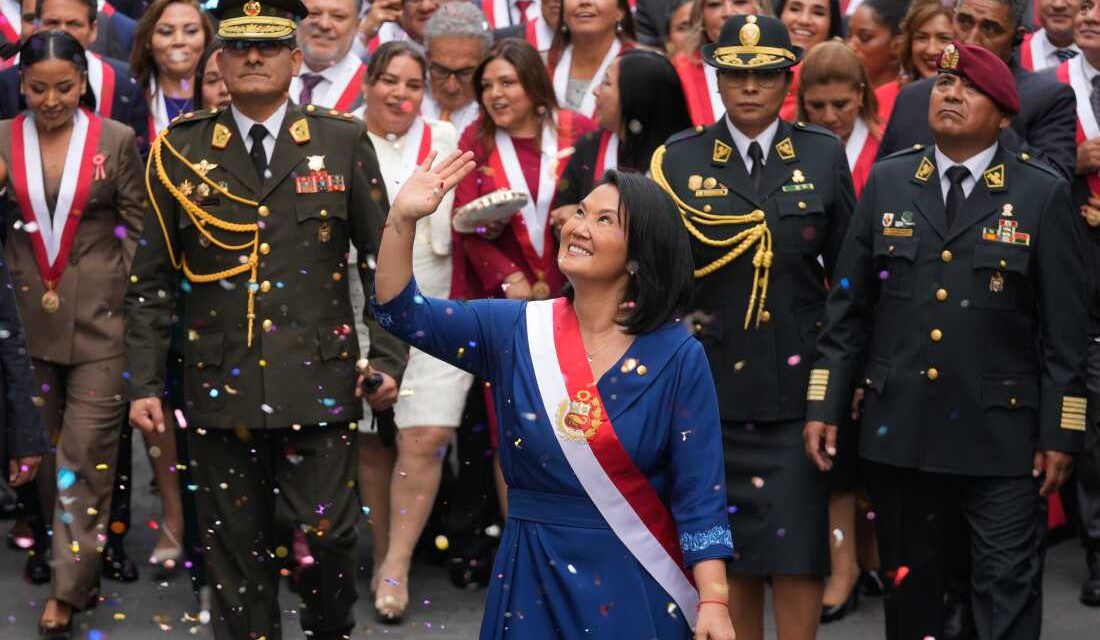
LIMA, Peru — Conservative leader Keiko Fujimori took the oath of office as Peru’s president on Tuesday, following a narrow victory in the June presidential runoff, which she won by fewer than 50,000 votes. This victory highlights a regional shift in South America towards conservative leadership.
Fujimori, a four-time presidential candidate and head of Peru’s largest political party, now becomes the country’s ninth president in ten years. At 51, she aims to bring stability to Peru’s often volatile political scene, reduce crime, and stimulate economic growth.
In the past decade, only three Peruvian presidents have been elected through a popular vote. Others took office after predecessors resigned or were removed by congress due to corruption scandals. Fujimori’s party, Popular Force, along with its ally Popular Renovation, will control half of the senate, making it difficult for opponents to unseat her.
An Incoming President’s Plans for Change
Fujimori campaigned on improving national security where extortion has become a widespread issue. She promised to enhance infrastructure by facilitating partnerships between government agencies and private investors.
Daughter of former President Alberto Fujimori, she follows a political legacy that saw her father stabilize the economy and curb terror, only to be later imprisoned for human rights abuses. Her plans to combat crime include adopting policies from Salvadorean President Nayib Bukele, such as building a large prison similar to El Salvador’s Cecot penitentiary.
She pledged reforms to protect judges’ identities during criminal trials and announced plans to reorganize social services to combat rural malnutrition. A minimum wage increase of 15% was also introduced.
To address crime, Fujimori stated that the military would temporarily lead security operations in affected areas. She also intends to focus on preparations for El Niño, which often causes coastal flooding in Peru.
“My goal is not only to administer the state,”Fujimori declared.“My main objective is to narrow the enormous social deficit that affects millions of Peruvians.”
Demands from Opposition Leaders
Opposition forces demand that Fujimori’s government overturn recent laws approved by the previous legislature. These laws, they argue, impair efforts against organized crime by eliminating preventive arrests and complicating the prosecution of parties involved in corruption.
Furthermore, opposition calls for an inquiry into the deaths of 50 civilians during anti-government protests after former President Pedro Castillo’s removal.
During Fujimori’s swearing-in, opposition lawmakers held photos of the deceased outside parliament as a form of protest. Families of the victims refuse to acknowledge Fujimori’s presidency.
Governing a Divided Nation
Backed by coastal voters, Fujimori faced opposition from those in the highlands, where Indigenous populations supported leftist candidate Roberto Sanchez. Though Sanchez contested the election results, citing inconsistencies in overseas voting counts, electoral officials dismissed these claims.
Despite political discord, Peru remains one of Latin America’s more stable economies, with a central bank keeping interest rates low and maintaining conservative fiscal policies. Nonetheless, discrepancies in living standards persist between coastal regions and the Andean highlands.
Fujimori’s win, along with others like Abelardo de la Espriella in Colombia and José Antonio Kast in Chile, signals a conservative surge in South America. This contrasts with the rise of leftist leaders such as Hugo Chávez and Brazil’s current president Luiz Inácio Lula da Silva. The conservative momentum includes seven major presidential wins in Latin America, mostly occurring after the 2025 inauguration of U.S. President Donald Trump.
 Calls Grow for Ireland’s Soccer Team to Boycott Matches Against Israel
 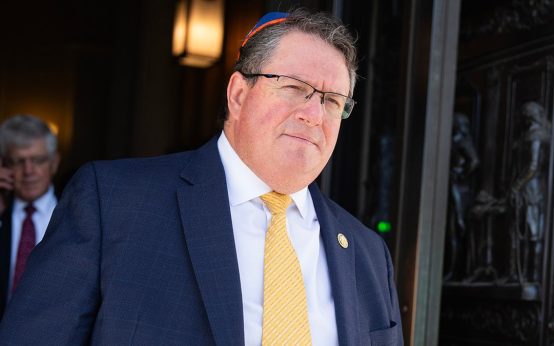 Congressman Randy Fine’s Bold Political Stance and Views on AI Regulation
 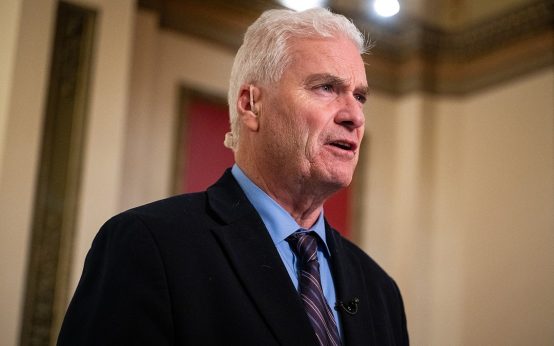 Political Messaging and Strategy Leading Up to Midterms
  President Trump Proposes ‘Super Intelligence’ as New AI Term
  Trump Administration Considers Diesel Export Ban Amid Rising Prices
 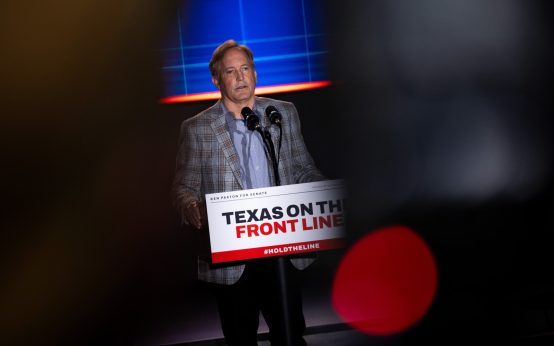 Texas Senate Race Tightens with Shifting Youth Support