
The Democratic Party has been extensively discussing internal divisions between progressives and centrists during this midterm cycle. However, a crucial aspect that has received less attention is the divide between state and federal lawmakers within the party. Notably, since 1992, when Arkansas Governor Bill Clinton became president, Democrats have primarily nominated U.S. senators for the presidency. Clinton leveraged his experience as the Democratic Governors Association (DGA) chair to compete in states once considered non-competitive.
Many believe politics is politics, regardless of the level. Yet, after Donald Trump’s presidency reshaped Washington through executive actions, some Democrats argue that the moment requires a leader resembling a CEO. This potential leader should aim to unite rather than divide the country, suggesting that governors from red states could be advantageous candidates. One prominent figure supporting this viewpoint is Andy Beshear, the current chair of the DGA and a governor from the red state of Kentucky.
In an interview with Newsweek, Beshear stated, “I think our next nominee and the next president should be a Democratic governor.” He emphasized that Democratic governors should lead the party because, unlike federal lawmakers focused on legislation, governors deliver practical governance.
Beshear’s contention is that the nation needs a figure capable of healing divisions and effectively managing the complexities created during Trump’s presidency. While he remains unconfirmed about his own presidential ambitions, Beshear’s memoir and his public ventures appear to set the stage for his political future. The book, “Go and Do Likewise: How We Heal a Broken Country,” highlights how his faith shapes his worldview and political ethos.
Throughout his political evolution, Beshear has demonstrated a commitment to bipartisan connections. Despite operating in a strongly Republican environment, he maintains a notably high approval rating, which underscores his ability to connect across party lines. Eric Hyers, Beshear’s campaign manager, outlined strategies that included reaching out to deep red communities and promoting local achievements. Beshear’s interviews and authenticity contribute significantly to his popularity.
Beshear’s potential candidacy raises questions about his ability to transition from a unifier in Kentucky to a key Democratic leader on the national stage. His challenge lies in overcoming primary contests where Democrats have favored fighters, contrasted with his appeal as a unifier.
Beshear’s background, shaped by his father’s political legacy, underscores his understanding of practical governance. His father’s influence during Bill Clinton’s administration and their provision of accessible healthcare in Kentucky are evident in Beshear’s approach to policy.
According to Newsweek’s observations, Beshear exudes confidence and displays an adept understanding of his gubernatorial responsibilities. His mature approach—along with efforts to balance various fiscal and social challenges—differentiates him from politicians primarily focused on rhetoric or ideological arguments.
Democratic officials stress that a governor like Beshear possesses the advantageous experience of closely interacting with the state’s populace, in contrast to federal legislators. Former Rhode Island Governor Gina Raimondo praised this proximity and its potential impact on national politics.
Beshear’s tenure as DGA chair enables him to influence national conversations about Democratic strategies in the upcoming elections. States like South Carolina and Nevada represent areas where Democratic campaigns can make substantial headway, with Beshear’s involvement proving pivotal.
DGA Executive Director Meghan Meehan-Draper pointed out Beshear’s tireless dedication to fundraising efforts and campaign support across various states. His broad appeal and adept stakeholder engagement contribute positively to the Democratic Party’s overall resources and strategy.
Despite facing ideological diversity within his state, Beshear maintains a focused and practical political persona. Democratic leaders like Michigan Governor Gretchen Whitmer highlight that Beshear’s executive experience provides distinctive value, surpassing typical legislative roles.
Beshear’s supporters liken his political demeanor to Jimmy Carter’s integrity, contrasting with the charisma-driven strategy of earlier political figures like Bill Clinton. Beshear’s reputation as a ‘Mr. Rogers’ type appeals to those seeking stability and substance over dramatic flair.
Beshear’s eventual nomination and subsequent participation could set the stage for a distinct Democratic approach, focusing on substantive leadership traits. His campaign, whenever it materializes, will likely emphasize authentic engagement throughout stratified political contexts.
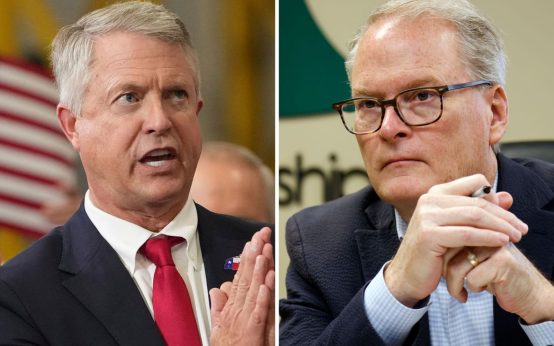 Kansas Senate Race Gains Unexpected Momentum
 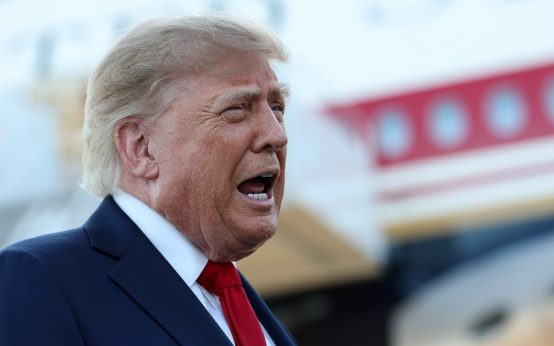 Republicans Face Election Challenges Amid Signs of Party Strain
 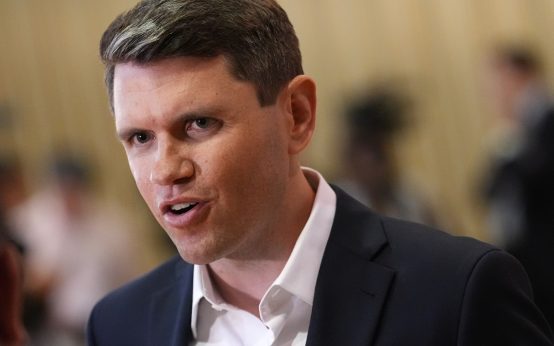 Texas Senate Race: Ken Paxton and James Talarico Exchange Corruption Allegations
 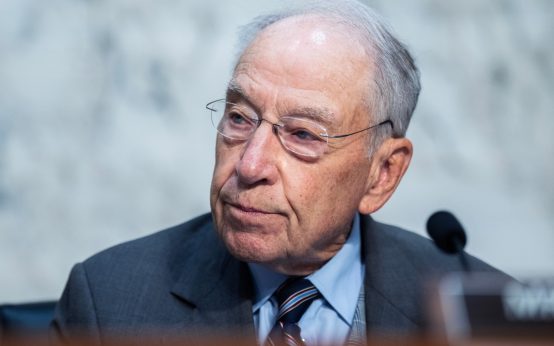 Republican Senator Pushes for Diesel Export Ban
  Trump Criticizes Supreme Court Over Rulings
  Voting in Russia: Veterans at the Forefront