
The Kremlin often claims widespread support among Russian citizens for its actions in Ukraine. President Vladimir Putin’s description of the invasion of Ukraine as a “special military operation” is part of this narrative. Yet, recent events challenge this portrayal.
Yabloko Party’s Exclusion
Nikolai Rybakov, chairman of the Yabloko party, seen greeting supporters outside Russia’s Supreme Court, stands as a symbol of the dissent suppressed under Putin’s regime. The party’s exclusion from the ballot underscores a significant discrepancy between official rhetoric and the political reality in Russia.
Public Perception vs. Official Narrative
The Russian government continuously asserts that there exists an overwhelming support for the Ukraine invasion. This aligns with the Kremlin’s strategy to create an image of national unity. However, barring the only notable anti-war party from participating in elections questions the legitimacy of this claimed consensus.
Opposition Faces Challenges
Anti-war groups and parties like Yabloko endure significant obstacles in their attempts to contest the official line. The suppression of political alternatives indicates an environment hostile to dissent. This environment serves to maintain the government’s narrative of unity, despite evidence of opposition within the country.
The actions against Yabloko not only highlight the control exerted by the Kremlin but also disprove the portrayal of unanimous citizen support. In Russia, the difference between state propaganda and the reality of political diversity remains glaring.
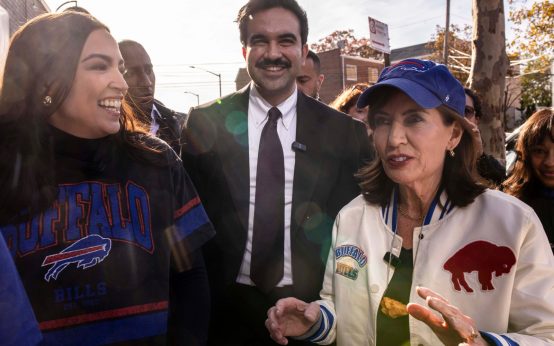 How Mayor Zohran Mamdani’s Mustache Sparks Conversations on Men’s Health and Symbolism
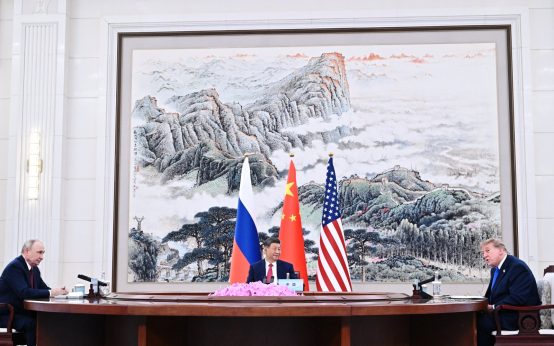 Analysis of Gender Disparity in China’s Political Landscape
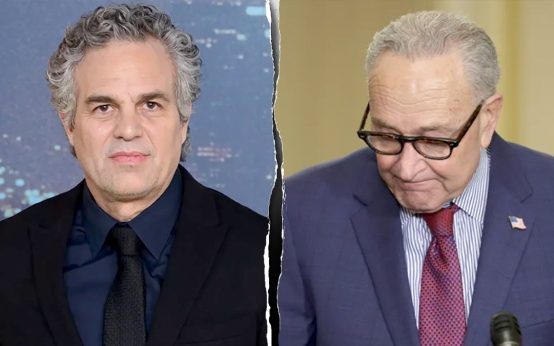 Mark Ruffalo’s Criticism of Sen. Chuck Schumer Sparks Debate
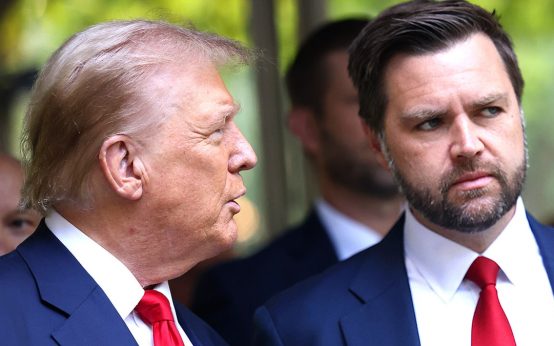 Trump Comments on Iranian Missile Activity and U.S. Response
 Reevaluating Coastal Strategies in the Face of Rising Seas
 Tensions Rise Over Nvidia Chip Export Restrictions to China