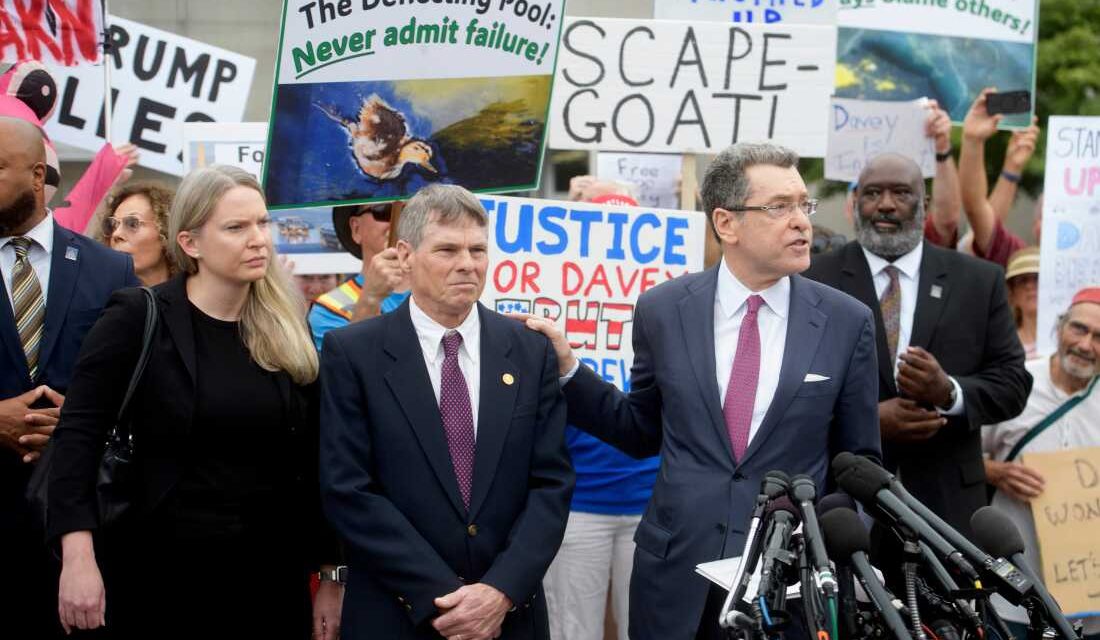
David Hearn, a former U.S. Olympian, faces unresolved legal challenges despite a recent decision in his favor. Last week, federal charges against him and three others for allegedly vandalizing the Lincoln Memorial Reflecting Pool were dropped. Yet, Superior Court Judge Todd Edelman has not ruled out the possibility of reopening the case.
Hearn entered a not guilty plea on July 9. His attorney, Norman Eisen, emphasized the importance of dismissing the case permanently. Prosecutors have dismissed it “without prejudice,” allowing for a potential refiling. Hearn’s legal team is pushing for a “with prejudice” dismissal to prevent this.
Political Influence and Legal Claims
Hearn’s defense argues that the case is politically motivated and lacks factual basis. Trump criticized Jeanine Pirro, the U.S. attorney for D.C., for previously seeking the indictment. Contradicting Pirro’s legal filing, Trump claimed vandals damaged the pool.
Testimonies cite a National Park Service employee who allegedly witnessed Hearn damaging the pool. However, Pirro’s filing attributes the damage to “botched installation.”
Personal Struggles and Public Support
Hearn describes the ordeal as “Kafkaesque” and “Orwellian,” affecting his view of the U.S., where he competed in three Olympic Games. Community support, including from sports and arts groups, strengthens him.
The case has drawn national attention, becoming emblematic of the Trump administration’s controversies. Eisen remarked, “If it can happen to Davey, it could happen to anyone.”
Reflecting on the Incident
On Juneteenth, Hearn stopped at the reflecting pool during a bike ride to observe its renovation, linked to his waterproofing business. He claims curiosity led him to pick a floating paint piece from the pool, not malicious intent.
A grand jury charged Hearn with destroying government property, prompting his not guilty plea. Supporters rallied at court, backing Hearn as he awaited a trial that could have led to 10 years in prison.
Continuing Legal Proceedings
The U.S. Attorney’s Office cites poor installation, not vandalism, as the primary cause of the pool’s damage. Pirro initially claimed Hearn’s liability but later cited withheld evidence contradicting vandalism claims.
Eisen plans to seek dismissal with prejudice, citing potential harassment. Hearn’s team has filed evidence supporting his innocence, including day-after photos. The Department of Justice dismissed the charges, but Eisen criticizes their justification.
If the dismissal is denied, the defense seeks disclosure of grand jury proceedings, alleging a flawed indictment process. Hearn prepares for a September status hearing, optimistic and supported by his legal team and judicial frameworks.