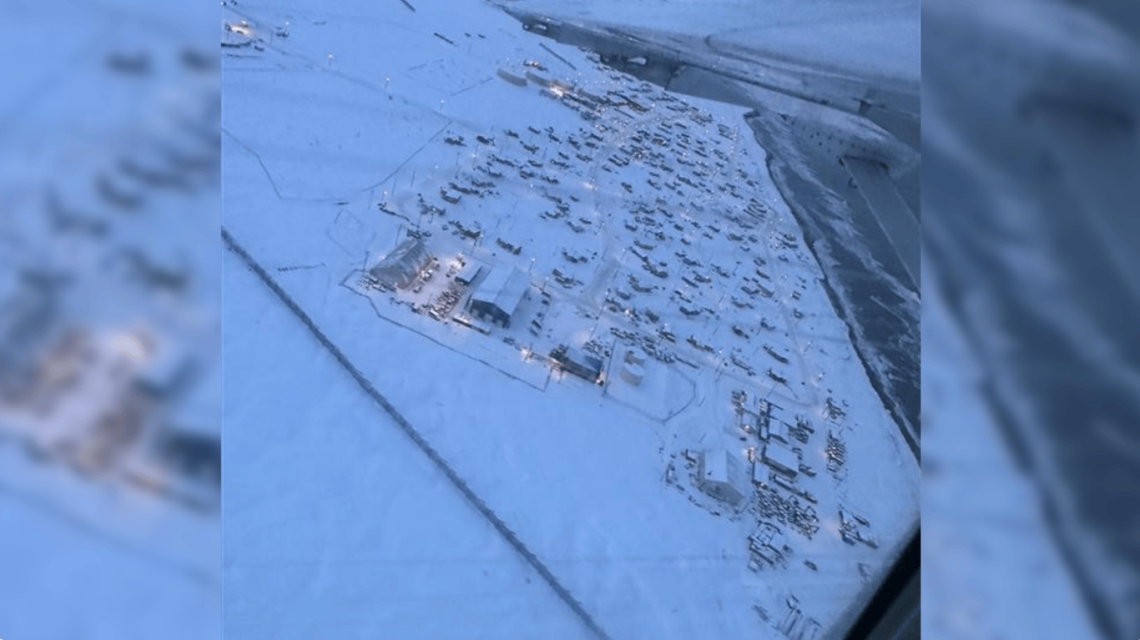
As the year approached its end, Carmen Daggett, a wildlife biologist residing in Utqiaġvik, captured photos of the sun while flying from Point Lay. She knew it would be a while before seeing it again. The sun rose briefly on November 18, only to vanish before the polar night settled in, lasting 65 days.
This natural event attracts global attention. Daggett finds it amusing as many struggle to understand the experience of living without sunlight for two months. “You’re no longer in Kansas,” quips Robbin Perkins-Askew, a teacher originally from Texas, about the impact of the long darkness.
The Great Night of Reflection
Perkins-Askew regards this time as the Great Night of Reflection, highlighting its introspective nature. She notes a drop in school attendance as families take vacations. She emphasizes the importance of routines, as the perpetual darkness confuses days and nights.
A Body That Wants to Hibernate
Daggett describes feeling sluggish during this period, noting a significant decrease in productivity in her first winter in Utqiaġvik. Perkins-Askew, advised by a doctor to take extra vitamin D, shares the physical toll the absence of sunlight can take.
The polar night isn’t completely dark. During the middle of the day, a faint twilight occurs, although overcast skies can obscure it. Daggett finds solace in the moonlight, despite its disorienting effect at times.
Overcoming the Darkness
Many teachers leave due to the darkness, Perkins-Askew observes, even noting the toll on her husband who couldn’t stay. She views enduring Utqiaġvik’s darkness as an achievement. Arriving in December, she found the environment daunting but has since adapted and now cherishes it.
Community and Tradition
Despite isolating effects, the community bonds tightly in winter. Traditions like the whale hunt and Kivġiq, the Messenger Feast, strengthen communal ties. For Perkins-Askew, the Christmas games are particularly significant, leading many to stay despite options to leave.
The harsh season demands checking on the well-being of neighbors. The dark winters may not always signify crisis but require resilience and support.
Daggett’s first winter was challenging, leading her to seek social activities with friends. Now, with a family, she has enhanced her home environment, finding joy in greenery and artificial light.
Life in Winter
Perkins-Askew assures friends that the experience is life, finding its beauty despite challenges. Daggett occasionally escapes to sunnier places, but the unique beauty of Utqiaġvik remains undeniable. Wildlife, sea phenomena, and cultural experiences make the place special.
Perkins-Askew stresses their shared humanity with outsiders, despite the mysticism surrounding the region. Daily, she faces the dark but retains hope, confident the sun will return.
If you or someone you know is considering suicide, please contact the 988 Suicide and Crisis Lifeline by dialing 988, text “988” to the Crisis Text Line at 741741, or visit 988lifeline.org.
 China Launches Shenzhou 24 with First Foreign Astronaut to Its Space Station
 Illegal Immigrant Ábrego García Leaves the U.S. for Spain Amid Legal Battle
 Iranian Protesters Face Imminent Execution Amid Criticism
 Pope Francis’ Spiritual Battle: Diary Exposes Inner Turmoil
 Hostage Situation Unfolds in Cartagena Supermarket
 Complex Dynamics in the Russia-Ukraine Conflict