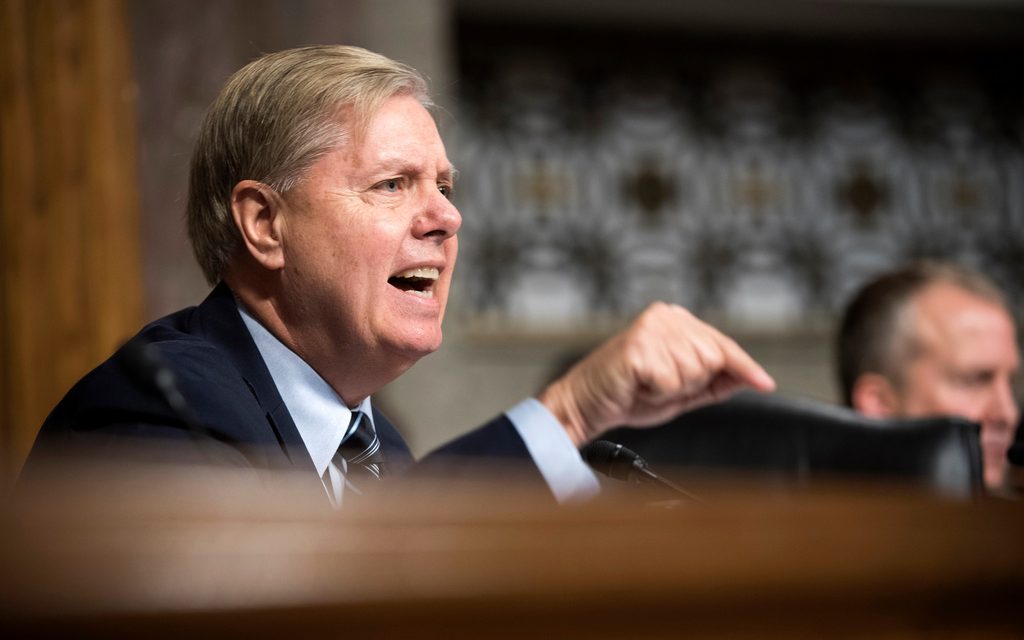
Senator Lindsey Graham’s recent passing leaves a significant void in the Senate and in U.S. foreign policy circles. Known for his ability to advocate for hawkish interventionism, Graham effectively bridged traditional Republican foreign policy with the current administration’s populist stance.
Graham’s influence was rooted in his capability to frame permanent conflict as a moral necessity and a pragmatic requirement for alliance management. He consistently argued that Moscow and Tehran represented intertwined fronts of a singular struggle, shaping American perception of these threats.
His approach employed a binary moral framework, turning complex geopolitical issues into narratives of ‘good vs. evil.’ This framing aided in characterizing diplomatic restraint as appeasement. Graham’s advisory role was particularly evident in his exchanges with Israeli leaders regarding Iran’s nuclear program, urging decisive action.
The ongoing U.S.-Iran conflict has tested the ‘Graham Doctrine.’ The recent collapse of diplomatic efforts in July, followed by resumed strikes, highlights the practical implications of his strategies. As tensions escalate, Graham’s absence is acutely felt. He had a unique ability to advocate aggressive military postures through the language of responsibility.
Political dynamics in the Senate are shifting with Graham’s seat requiring a new occupant. Figures like Nancy Mace and Ralph Norman express interest, though none possess Graham’s tenure or his distinctive role in foreign policy discourse.
The Trump administration faces a messaging crisis, struggling to present its policies without Graham’s diplomatic tempering. His death complicates efforts to maintain a coherent narrative of ‘American values’ and ‘global security.’
Although the alliance with Benjamin Netanyahu remains strong, Graham’s contribution to its political sustainability in Washington is irreplaceable. The administration must communicate its Middle Eastern strategy amid increased scrutiny from an already weary public.
In the months ahead, the continuation of Graham’s policy machinations will test whether hawkish views can endure without his statesmanlike veneer.
 Democratic Candidates Bring Faith to Their Congressional Campaigns
  Republicans Face Challenges in Upcoming Midterm Elections
  Bobby Pulido’s Unique Congressional Bid
  The TV President’s Image Without Network Footage
  Illinois Faces Challenges with Federal Immigration Enforcement
  Amy Dangerfield’s Journey Through Far-Right Circles