
Louisiana has set an ambitious target for its adult population. By 2030, the state aims for 60% of working-age residents to possess a degree or valuable credential. This target underscores a significant focus on education as a means to improve economic prospects.
Higher education in both Louisiana and across the United States is increasingly linked to affordability issues. Financial aid at the federal level is facing reductions, adding pressure to students seeking higher education. The elimination of Grad PLUS loans is one of the changes impacting graduate students.
New limitations on graduate borrowing further restrict access to funds needed for entering essential fields like nursing and social work. These professions require specialized education, and reduced financial aid options may pose barriers to entry.
Additionally, subsidized federal student loans, which greatly reduce interest costs for students over their loan term, are under threat. The proposed funding bill by the House for the next fiscal year includes measures that could phase out these loans, potentially increasing the financial burden on students.
The Louisiana Illuminator, a nonprofit news outlet, emphasizes understanding how decisions made in Baton Rouge impact daily life in Louisiana. With changes in financial aid policies, it’s vital to consider how these shifts affect the state’s educational objectives and the futures of its residents.
 AFL Investigates Fairfax County Schools’ 9/11 Teaching Guidance
  Challenging the ‘Trust the Experts’ Narrative in School Libraries
  Implications of AI in College Admissions
  Preparing Students for an AI-Shaped Workforce
  Concerns Over Racism and School Funding Inequality Discussed by ‘The View’ Co-Host
 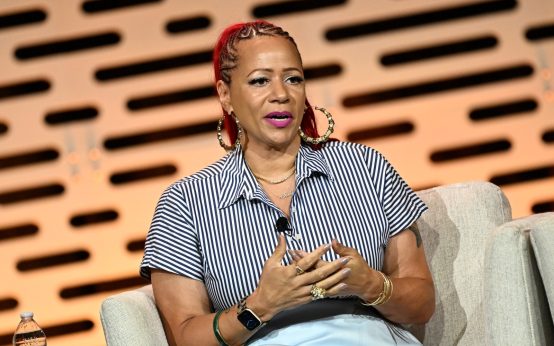 Nikole Hannah-Jones’ Reflection on School Integration and the Impact on Her Daughter