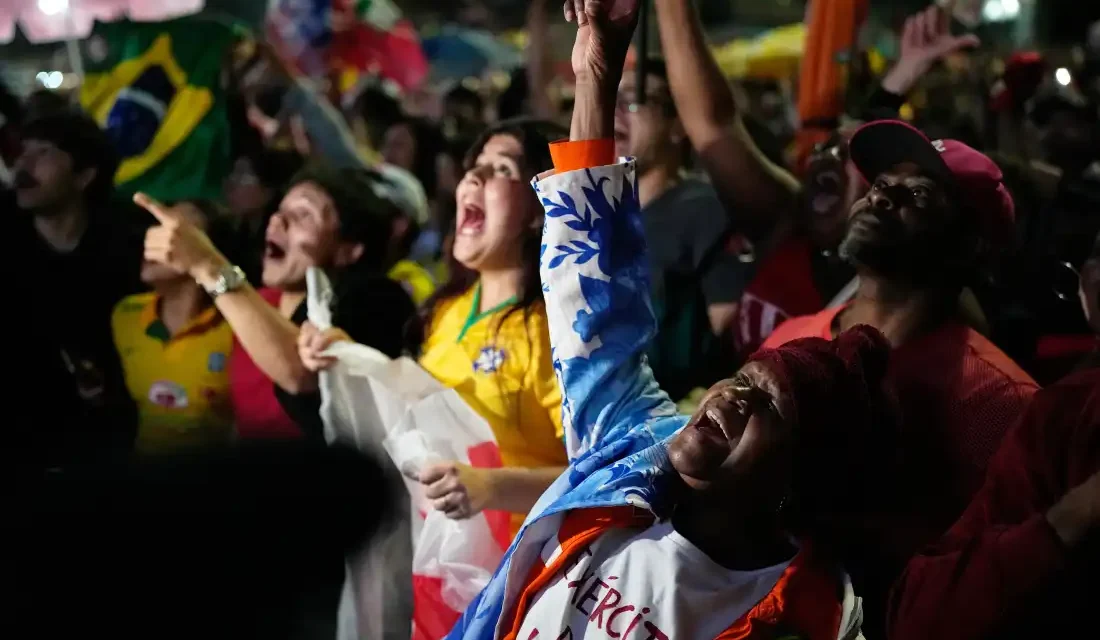
BRASILIA, Brazil — Luiz Inácio Lula da Silva has secured his fourth term as president of Brazil in a significant political comeback. Official results from Sunday’s runoff election, with over 96% of votes counted, show Lula with more than 51% of the vote, surpassing Sen. Flávio Bolsonaro, who gathered over 48%.
Lula’s victory ends the ambitions of 45-year-old Bolsonaro, representing a notable right-wing political legacy. Bolsonaro had pledged closer relations with former President Trump and aimed to extend his family’s political influence. Lula’s win continues his nonconsecutive presidential tenure, now spanning four terms.
Election day in Brazil was marked by logistical challenges. Lula’s campaign called for extended voting hours, citing reduced bus services that hindered voter access to polling stations. Bolsonaro also requested an extension, attributing it to adverse weather conditions in several states.
Supreme Court Justice Cristiano Zanin responded by extending voting hours past the usual 5 p.m. deadline. Yet, communication delays meant some locations could not accommodate late voting. An example is a Rio de Janeiro polling station where Manuela Tunas, a 36-year-old accountant, failed to vote due to late arrival after her flight was delayed, expressing frustration over the voting inequality.
This contentious election has drawn international attention due to its potential impact on the right-wing movement across Latin America, the future stewardship of the Amazon rainforest, and the continuation of Brazil’s democratic trajectory, which spans roughly four decades.
Flávio Bolsonaro, son of Jair Bolsonaro, faced the challenge of a previous narrow defeat by Lula in 2022. Jair Bolsonaro is currently serving a 27-year sentence for an attempted coup. If elected, Flávio had pledged to pardon his father.
Both political factions are well-entrenched, and initial voter enthusiasm was subdued. However, Bolsonaro’s initial success on Oct. 4 reignited public interest, leading to mass rallies and intense social media efforts from both sides, trying to influence voter opinions.
Ultimately, Lula’s promise of stability and increased social spending resonated with voters. Alessandra Miguel, a 35-year-old spa worker in Rocinha, Rio de Janeiro, voted for Lula and commented on the electorate’s heightened awareness of a potential Bolsonaro government after the initial voting round.
With his win, Lula now faces governing a starkly divided Brazil. According to political scientist Jairo Nicolau, this election highlighted a rigid political divide among Brazilians, emphasizing tribal political identities over policy preferences.
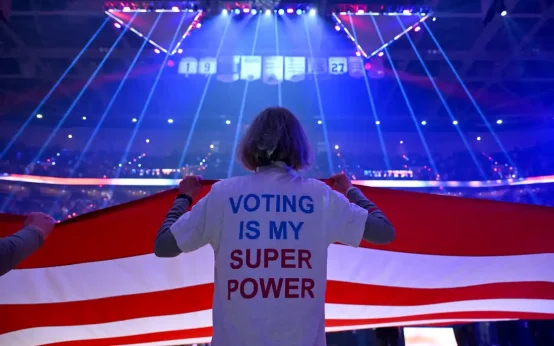 Key Insights from the Latest NPR/PBS News/Marist Poll
 Proposed Monument’s Shadow Over Arlington Cemetery: An Analysis
 Trump Pushes for Permanent Daylight Saving Time
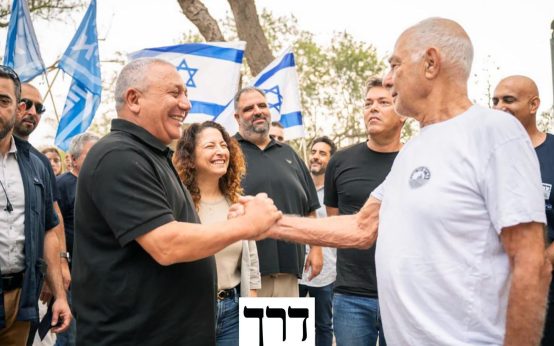 Israeli Elections: Key Developments and Key Figures
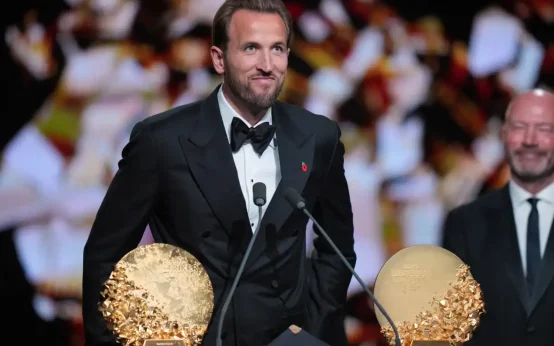 Harry Kane and Alexia Putellas Shine at Ballon d’Or Ceremony
 Netanyahu Faces Crucial Election Amid Security Challenges