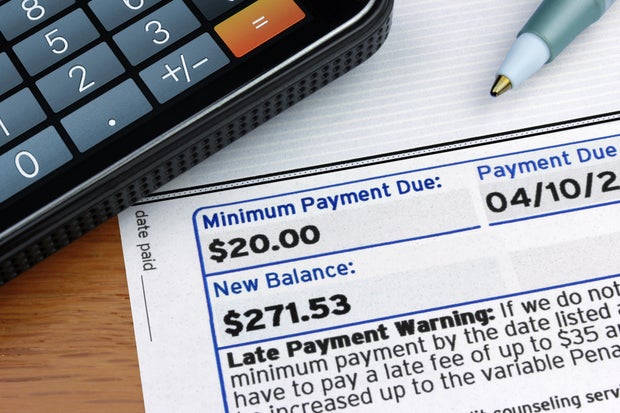
When finances are tight, meeting credit card minimum payments can provide vital budget relief. By paying a fraction of the full balance, you can keep your account current without having to clear the entire amount at once. However, competing financial priorities can make even the smaller monthly obligation challenging to manage.
Currently, many are facing this issue. Credit card balances are climbing upwards, rates are increasing, and high-interest charges make carrying this debt costly. With limited funds covering necessities such as housing, groceries, and utilities, credit card payments can become tough to handle. In such a case, sending an amount less than the minimum might seem like a temporary solution.
If you pay less than your credit card minimum, it is usually treated as a late payment, resulting in late fees and continued interest accrual.
Paying less than the minimum will classify the payment as late. For instance, sending $190 against a minimum of $200 doesn’t meet payment requirements. Consequently, not only will interest continue accruing on the remaining balance, but late fees will also accumulate.
If payment terms and history allow, failing to pay the minimum might result in losing promotional APR benefits or triggering a penalty APR on new purchases. Credit effects can be detrimental. A payment several days late might not be immediately reported to credit bureaus, but if unpaid beyond 30 days, it might be flagged as delinquent, damaging your credit score.
Partial payments don’t reset late payment status. For instance, with a $300 minimum payment, paying $100 does not fulfill the amount needed simply because it was accepted. To avoid delinquency progression, bring the account current according to issuer requirements.
Continual payment shortfalls escalate issues. More missed payments result in greater credit damage, potential account closure, and possibly collections activity. Paying what you can might slightly reduce balances but is different from meeting minimum payment requirements.
Strategies If Meeting Minimum Payments Becomes Unmanageable
If making these payments seems regularly unachievable, looking beyond partial payments becomes necessary. The goal should be addressing the underlying affordability issue before the account falls further behind.
Contact your credit card issuer once the struggle becomes apparent. Issuers often provide hardship programs, potentially lowering interest rates or adjusting account terms temporarily. If unable to make the minimum payment, reach out for possible assistance.
Debt relief consideration extends beyond individual credit cards. Debt consolidation loans can merge multiple balances into a singular monthly payment, ideally at lower rates. Credit counseling agencies may offer debt management plans to restructure payments and reduce interest.
For serious financial hardship, debt settlement might be viable. Settlements aim to negotiate lower balances with creditors. However, this requires caution due to potential credit and financial implications.
Acting promptly provides wider options. Delayed action leads to larger balances and more severe delinquency with fewer ways to gain control.
Conclusion
Partial credit card minimum payments don’t fulfill the obligated amount. This can lead to late fees and damage to credit if minimums aren’t met by due dates. If struggling with payments, contact your issuer for hardship assistance to explore other debt relief strategies for managing balances. Adopt proactive approaches for broader solutions when unable to bring accounts current through monthly dues alone.